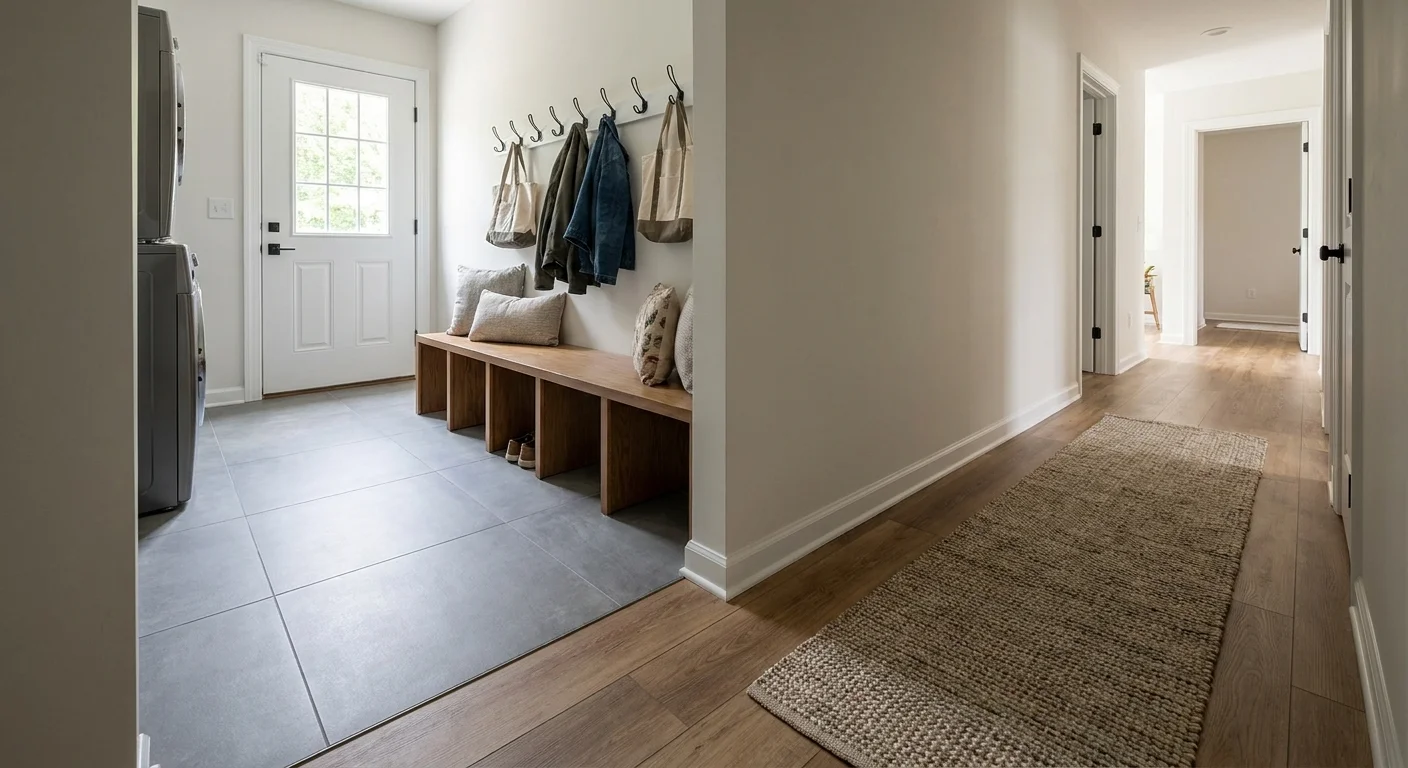
For New Jersey homeowners considering new flooring in 2026, porcelain or ceramic tile offers superior durability and water resistance, providing a long-lasting, high-end finish. However, luxury vinyl plank (LVP) provides excellent comfort, sound absorption, and a typically lower installed cost, often about $8 per square foot all-inclusive for materials and installation. The best choice depends on your specific needs for cost, performance, and aesthetic in areas like bathrooms, entryways, mudrooms, and laundry rooms across Monmouth County and beyond.
Why Choose Between Tile and LVP Flooring in New Jersey?
Choosing between tile and LVP flooring is a common dilemma for homeowners in Long Branch, Red Bank, and other New Jersey towns, especially for high-moisture or high-traffic areas. Both options offer significant advantages over older flooring types like traditional hardwood or carpet, providing enhanced durability and resistance to everyday wear and tear. Understanding their fundamental differences is key to making an informed decision that aligns with your household's lifestyle and budget.
Understanding Their Core Differences
Tile flooring, typically porcelain or ceramic, is a rigid material installed with grout lines over a solid substrate. It's renowned for its extreme hardness, imperviousness to water, and classic aesthetic versatility. In contrast, luxury vinyl plank (LVP) is a multi-layered, flexible flooring solution designed to mimic the look of natural wood or stone. It's known for its resilient surface, relative warmth underfoot, and often simpler installation process.
While tile provides an unmatched level of permanence and water protection, LVP offers a softer feel and often a quicker turnaround for installation. Each material excels in different scenarios, making a direct comparison essential rather than assuming one is universally superior. Factors such as subfloor condition, desired comfort, and overall project budget significantly influence the ideal choice for your home.
Common Applications in NJ Homes
In New Jersey homes, tile flooring is a perennial favorite for bathrooms, kitchens, laundry rooms, and mudrooms due to its water resistance and ease of cleaning. Its ability to withstand spills and heavy foot traffic makes it ideal for areas prone to moisture or dirt. For more information on professional tile installation, explore our tile installation services.
LVP, on the other hand, is increasingly popular throughout the home, including basements, entryways, and even living areas, especially in homes with children or pets. Its comfort, sound-dampening qualities, and realistic visuals make it a versatile option for homeowners in towns like Middletown and Freehold looking for a durable, aesthetically pleasing floor that can handle daily life without extensive maintenance.
How Do Tile and LVP Compare on Key Performance Factors?
When evaluating tile versus LVP, several critical performance factors come into play, each impacting the floor's longevity, maintenance, and suitability for specific areas of your New Jersey home. These factors include water resistance, durability, comfort underfoot, and overall maintenance requirements. A clear comparison helps homeowners weigh the pros and cons for their unique situation.
Water Resistance and Moisture Performance
Porcelain tile is virtually impervious to water, making it the gold standard for bathrooms, shower surrounds, and other high-moisture environments. With proper installation and sealed grout lines, it provides an impenetrable barrier against water damage, preventing issues like mold and mildew in places like Asbury Park and Holmdel homes. Ceramic tile also offers excellent water resistance, though porcelain typically has a lower water absorption rate, often less than 0.5% as per ASTM C373 standards, classifying it as impervious.
Luxury vinyl plank is highly water-resistant and, in many cases, waterproof, especially products with a rigid core (like SPC or WPC). This makes it an excellent choice for kitchens, laundry rooms, and basements where spills are common. While the planks themselves won't swell or warp, it's crucial that the subfloor is properly prepared and level to prevent water from seeping underneath, which could lead to subfloor damage over time. LVP's ability to withstand moisture without damage is a significant advantage for active households.
Durability and Wear Resistance
Tile flooring, particularly porcelain, is exceptionally durable and resistant to scratches, dents, and heavy impacts. Its hardness makes it suitable for commercial applications and high-traffic residential areas where longevity is paramount. Porcelain tiles are rated using the Porcelain Enamel Institute (PEI) scale, with ratings from I (light residential) to V (heavy commercial), ensuring you can select a tile appropriate for any intensity of use. A PEI rating of III or higher is generally recommended for most residential floor applications.
LVP offers excellent durability against daily wear, including scratches and scuffs from pets and furniture, thanks to its robust wear layer. This protective layer, typically measured in mils (e.g., 12 mil, 20 mil, or even 30 mil for commercial-grade), is crucial for its longevity. While LVP is resilient, it can be susceptible to deep gouges from extremely heavy or sharp objects. However, individual planks can often be replaced more easily than individual tiles, offering a repair advantage for isolated damage.
Comfort and Subfloor Requirements
Tile flooring is a hard, rigid surface that transmits cold and sound readily. While this makes it easy to clean, it can feel cold underfoot, especially in colder New Jersey months, unless radiant heating is installed beneath. Its rigid nature also means it offers little cushioning, which can be a factor for individuals who stand for long periods. Tile requires a perfectly flat, stable subfloor, often necessitating the installation of cement board or an uncoupling membrane to prevent cracking due to subfloor movement.
LVP offers a softer, more resilient feel underfoot compared to tile, providing better comfort and some sound-dampening properties. It's also generally warmer to the touch. LVP can be installed over a wider variety of subfloors, including slightly imperfect ones, though proper subfloor preparation is still essential for a smooth, lasting finish. Some LVP products come with an attached underlayment, further enhancing comfort and reducing noise. This flexibility in installation and added comfort makes LVP a compelling choice for many homeowners in Marlboro and Manalapan.
Here's a quick comparison of Tile vs. LVP:
| Criterion | Porcelain/Ceramic Tile | Luxury Vinyl Plank (LVP) |
|---|---|---|
| Water Resistance | Impervious (especially porcelain) | Highly water-resistant to waterproof |
| Durability | Excellent, scratch/dent proof, rigid | Very good, scratch/scuff resistant, resilient |
| Comfort | Hard, cold, little cushioning | Softer, warmer, good cushioning |
| Maintenance | Easy to clean, grout sealing needed | Easy to clean, no special sealing |
| Aesthetics | High-end, classic, vast design options | Realistic wood/stone look, modern |
| Installation | Complex, time-consuming, requires specialized tools | Quicker, often DIY-friendly (though professional is best) |
What is the Installed Cost of Tile vs. LVP Flooring in NJ?
For homeowners in New Jersey, the installed cost is often a primary factor in deciding between tile and LVP flooring. While material costs vary, the total project price, including labor and any necessary prep work, provides the most accurate comparison. IAC Home Improvement offers transparent, comprehensive quotes for both flooring types, ensuring you understand the investment for your Long Branch or Eatontown home.
Breaking Down Tile Installation Costs
The cost of tile flooring installation in New Jersey typically starts from about $13 per square foot installed. This price usually includes standard porcelain or ceramic tile laid in a straight pattern, along with all necessary setting materials and labor. Factors that can increase this cost include using large-format tiles, intricate patterns like herringbone, natural stone materials, or specialized installations such as shower walls and tub surrounds. These more complex projects are quoted per job, with typical projects starting from $1,500.
Tile installation is a labor-intensive process requiring precise measuring, subfloor preparation, cutting, setting, grouting, and sealing. The skill involved ensures proper adhesion and a uniform finish, critical for the longevity and aesthetic appeal of your new floor. While the upfront cost can be higher than LVP, tile's extreme durability and long lifespan often make it a cost-effective choice over decades.
Understanding LVP Flooring Project Costs
Luxury vinyl plank (LVP) flooring projects are generally more budget-friendly upfront. For an all-inclusive LVP installation in New Jersey, homeowners can expect to pay about $8 per square foot. This comprehensive price typically covers the cost of the LVP planks themselves, professional installation, and new shoe molding to finish the edges. If a client prefers to supply their own flooring materials, IAC Home Improvement offers installation-only services starting from $4 per square foot, with typical projects beginning at $1,300.
LVP installation is generally quicker than tile, often allowing for completion within a day or two for standard rooms. The interlocking plank system simplifies the process, reducing labor time and associated costs. This efficiency, combined with the material's affordability, makes LVP an attractive option for homeowners seeking a beautiful, durable floor without a significant financial outlay.
Cost Comparison for a 200 sq ft Floor
To illustrate the cost difference, let's compare the approximate installed price for a 200 square foot floor, such as a large bathroom, kitchen, or entryway, using typical pricing in New Jersey:
- Porcelain/Ceramic Tile: At approximately $13 per square foot installed, a 200 sq ft tile floor would cost around $2,600.
- Luxury Vinyl Plank (LVP): At about $8 per square foot all-inclusive, a 200 sq ft LVP floor would cost approximately $1,600.
This comparison highlights a significant initial cost difference, where LVP can offer a savings of roughly $1,000 for a medium-sized project. While tile offers unparalleled longevity and a premium feel, LVP provides an excellent balance of durability, aesthetics, and affordability, making it a compelling choice for many budgets. No matter which option you lean towards, remember that IAC Home Improvement is a full-service home improvement company, ready to handle your entire project, from flooring to kitchen and bathroom remodeling, painting, carpentry, basements, decks, masonry, concrete, and pavers, providing one trusted contractor for your whole home.
Ready to get a precise cost for your flooring project? Call us at (848) 358-7694, text us a photo of your space, or request a free estimate today!
When is Porcelain or Ceramic Tile the Right Choice for Your Home?
Porcelain or ceramic tile is an exceptional choice when uncompromising durability, water protection, and a high-end aesthetic are your top priorities. Its inherent qualities make it suitable for specific areas and homeowner preferences, offering benefits that LVP cannot entirely replicate. For many homeowners in Colts Neck and Eatontown, tile represents a timeless investment in their property's value and functionality.
Ideal Rooms and Conditions for Tile
Tile truly shines in environments where moisture is a constant concern or where extreme wear and tear are expected. This includes:
- Bathrooms and Shower Surrounds: Unmatched for waterproofing, tile protects subfloors and walls from splashes, steam, and leaks.
- Laundry Rooms and Mudrooms: Resists water from appliances and makes cleaning up tracked-in dirt and mud effortless.
- Kitchens: Withstands spills, dropped items, and heavy appliance traffic without damage.
- Entryways and Foyers: Ideal for high-traffic zones that endure direct exposure to outdoor elements like snow, rain, and grit.
- Heated Floors: Tile is an excellent conductor of heat, making it perfect for radiant floor heating systems, providing luxurious warmth in colder months.
If you prioritize a floor that will essentially last a lifetime with minimal fuss over water exposure, tile is the superior option. Explore various tile options and their benefits in our Tile Flooring Selection Guide.
Long-Term Value and Maintenance
The long-term value of tile flooring is undeniable. Its incredible durability means it rarely needs replacement due to wear, making it a sustainable choice. Properly installed tile can significantly enhance a home's resale value, especially in key areas like kitchens and bathrooms, as it is perceived as a premium, permanent fixture. While grout lines require occasional cleaning and sealing (typically every 1-3 years depending on traffic and sealant type), the tile itself is very low maintenance, requiring only regular sweeping and mopping.
The initial investment in tile is offset by its longevity and the minimal need for repairs or replacements over decades. This makes tile a wise choice for homeowners who plan to stay in their homes for many years and desire a floor that will maintain its beauty and integrity with minimal effort.
When is Luxury Vinyl Plank the Better Flooring Option?
Luxury vinyl plank (LVP) has emerged as a formidable contender in the flooring market, offering a compelling blend of aesthetics, comfort, and practical benefits that often make it a better choice for certain homeowners and applications in New Jersey. Its adaptability and forgiving nature are key advantages over traditional tile.
Best Uses for LVP in Active Households
LVP excels in homes with busy, active lifestyles, particularly those with children and pets. Its resilient surface provides a softer landing for falls and helps absorb sound, creating a quieter environment. Ideal applications include:
- Basements: LVP is an excellent choice for finished basements due to its moisture resistance and warmth underfoot, providing a comfortable and durable surface.
- Family Rooms and Playrooms: Its comfort and durability stand up to everyday activities and spills, making it a practical choice for high-use living areas.
- Bedrooms: Offers a warmer, softer alternative to tile, enhancing comfort without sacrificing durability.
- Hallways and Entryways: Handles foot traffic and minor moisture well, while being easier on the feet than tile.
- Homes with Pets: The wear layer resists scratches from claws, and spills are easily wiped clean without staining or damage.
If you're looking for a floor that can withstand the rigors of family life while offering a touch of comfort and style, LVP is often the pragmatic solution. Learn more about its advantages in our Luxury Vinyl Plank (LVP) Guide.
Installation Speed and Comfort Benefits
One of LVP's significant advantages is its relatively quick and straightforward installation process compared to tile. Most LVP products feature a click-lock system, allowing for faster installation and less disruption to your household. This means your new floor can often be installed in a fraction of the time it takes for a tile project, which typically requires subfloor preparation, setting, and grout cure times (grout usually cures in 24-72 hours before light traffic).
Beyond speed, LVP offers a distinct comfort benefit. Its layered construction, often including a cushioned core and an attached underlayment, provides a more forgiving surface than hard tile. This makes it more comfortable to stand on for extended periods, reducing fatigue, and also contributes to better acoustics by dampening sound. These qualities make LVP particularly appealing for living spaces where comfort and quiet are valued.
Which Flooring Does IAC Home Improvement Recommend?
As expert home improvement contractors serving NJ, NY, and PA, IAC Home Improvement often guides clients through this tile vs. LVP decision. Our recommendation ultimately hinges on a detailed understanding of your specific needs, budget, and the intended use of the space. There isn't a single "best" option; rather, it's about finding the ideal fit for your home in Monmouth County, from Manalapan to Freehold.
Our Verdict for High-Traffic Areas
For areas demanding the absolute highest level of water protection, extreme durability against heavy impacts, and a truly permanent solution, such as primary bathrooms, shower surrounds, and commercial-grade kitchens, we typically recommend high-quality porcelain tile. Its impervious nature and resistance to scratches and chips make it an unparalleled choice for longevity and peace of mind in the most challenging environments. While the initial investment is higher, the decades of performance make it worthwhile for these critical zones.
However, for most other high-traffic areas in a residential setting, including secondary bathrooms, laundry rooms, entryways, basements, and kitchens that prioritize comfort and a slightly lower cost, we often recommend a premium luxury vinyl plank. Modern LVP offers exceptional water resistance, impressive durability, and aesthetic versatility that mimics natural materials beautifully. It provides a fantastic balance of performance, comfort, and value for the majority of New Jersey homes.
Considering Your Lifestyle and Budget
Ultimately, the best flooring choice is a personal one, tailored to your family's lifestyle and financial plan. If you have an active family with pets and children, and prioritize comfort, sound dampening, and a quicker installation, LVP is an outstanding choice that delivers on all fronts without breaking the bank. If your priority is a floor that will last for generations, withstand anything, and contribute a high-end, classic aesthetic, and your budget allows for it, then tile is the clear winner.
At IAC Home Improvement, we discuss all these factors during our free on-site consultation. We'll help you evaluate your specific space, understand your daily routines, and present the best options, ensuring your new flooring not only looks fantastic but also performs flawlessly for years to come. Our goal is to provide a comprehensive solution that meets your needs and exceeds your expectations.
Frequently Asked Questions
What is the average lifespan of tile versus LVP flooring?
Porcelain and ceramic tile, when properly installed and maintained, can last 50 years or even longer, often outliving the home itself. Its extreme durability and resistance to wear contribute to its incredible longevity. Luxury vinyl plank (LVP) typically has a lifespan of 15 to 25 years, depending on the quality of the wear layer and the amount of traffic it endures. Higher-quality LVP with thicker wear layers will naturally last longer.
Can I install radiant heating under both tile and LVP?
Yes, radiant heating systems can be installed under both tile and LVP flooring. Tile is an excellent conductor of heat, making it a highly efficient choice for radiant systems, providing a luxurious warmth. While LVP can also be used with radiant heat, it's crucial to ensure the heating system is compatible with vinyl and that temperatures do not exceed the manufacturer's recommendations (typically around 85°F or 29°C) to prevent damage or warping to the planks.
Is LVP truly waterproof, or just water-resistant?
Many modern luxury vinyl plank products are indeed 100% waterproof, especially those with a rigid core construction like Stone Plastic Composite (SPC) or Wood Plastic Composite (WPC). These planks will not swell, buckle, or warp when exposed to water. However, it's important to differentiate between the material itself being waterproof and a floor system that prevents water from reaching the subfloor. Proper installation is key to ensuring that water doesn't seep into seams or along edges and cause damage to the underlying structure.
Which flooring option is better for resale value in New Jersey homes?
Generally, high-quality porcelain or ceramic tile, especially in kitchens and bathrooms, tends to add more to a home's resale value. Tile is often perceived as a premium, permanent upgrade that signifies quality and durability to potential buyers. While LVP offers excellent aesthetics and practicality, it is typically viewed as a more utilitarian or mid-range option compared to the timeless appeal and perceived luxury of tile. However, a well-installed LVP floor is certainly preferable to old, worn-out flooring.
Authoritative resource: This Old House.