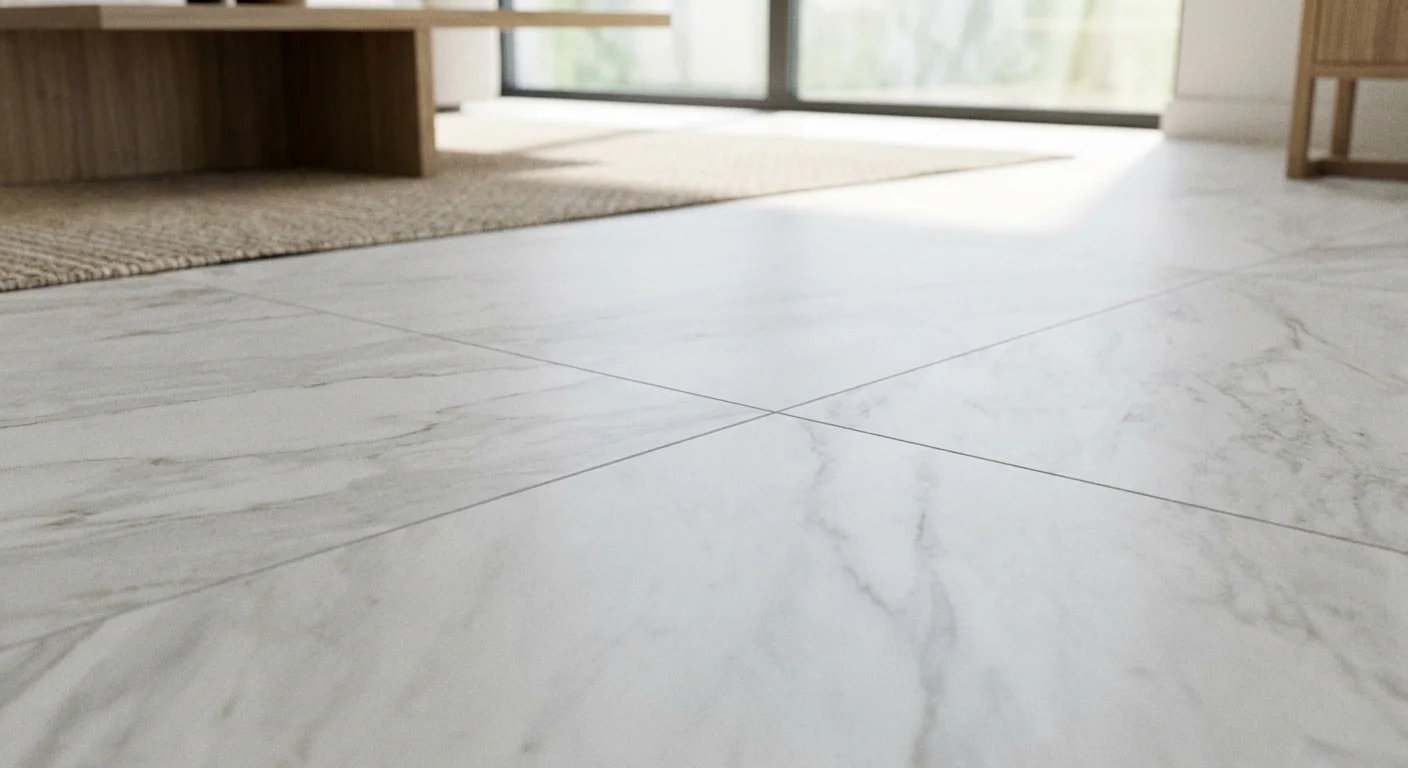
Choosing the right tile flooring can transform any space in your New Jersey, New York, or Pennsylvania home, offering unparalleled durability, aesthetic versatility, and ease of maintenance. The best tile selection balances material properties like water resistance and wear rating with your home's design aesthetic and functional needs, ensuring a beautiful and long-lasting finish. From bustling kitchens in Long Branch to serene bathrooms in Holmdel, selecting the ideal tile involves understanding various types, their characteristics, and professional installation requirements to achieve the perfect result.
Understanding Tile Flooring: An Overview
Tile flooring has long been a staple in homes across the Tri-State area, cherished for its robust nature and diverse design potential. Modern manufacturing techniques have expanded the possibilities, making tile a sophisticated choice for nearly any room, indoors or out. As expert flooring and remodeling contractors serving Monmouth County and beyond, IAC Home Improvement consistently recommends tile for its enduring value.
What Makes Tile a Top Choice for NJ Homes?
For homeowners in New Jersey, New York, and Pennsylvania, tile flooring offers a compelling combination of benefits suited to various lifestyles and climates. Its inherent resistance to moisture makes it ideal for areas prone to spills, such as kitchens, bathrooms, and basements, a significant advantage in areas like the Jersey Shore, where humidity can be a factor. Furthermore, tile's durability stands up to heavy foot traffic, pet claws, and the rigors of daily life, making it a smart investment for busy households in towns like Red Bank or Freehold. With IAC Home Improvement, you gain access to a wide array of options that meet both aesthetic and practical demands.
Key Benefits of Modern Tile
Beyond its traditional strengths, contemporary tile offers several advanced benefits. It's an excellent choice for radiant floor heating systems, providing a comfortable warmth underfoot during colder months. Many modern tiles are also made with recycled materials, offering an eco-friendly option for environmentally conscious homeowners. The vast array of styles, from wood-look porcelain planks to intricate mosaic patterns, means that tile can mimic almost any other flooring material, often with superior performance. This allows for seamless integration into any design scheme, whether you’re aiming for a rustic farmhouse feel in Colts Neck or a sleek, modern look in Asbury Park.
Dispelling Common Tile Myths
Some homeowners still harbor misconceptions about tile flooring, often stemming from outdated experiences. One common myth is that tile is always cold; however, as mentioned, it pairs beautifully with radiant heating. Another misconception is that tile is prone to cracking; while older, poorly installed tiles might have been, today's high-quality tiles, combined with proper subfloor preparation and expert installation, are incredibly resilient. IAC Home Improvement ensures that your tile is installed correctly, minimizing the risk of issues and maximizing its lifespan. Our team ensures that proper underlayment and grout are used to provide a stable and durable surface.
Exploring Tile Types: Materials and Their Properties
The world of tile is rich with materials, each offering unique characteristics in terms of durability, aesthetics, and application suitability. Understanding these differences is crucial for making an informed decision for your home remodeling project.
Porcelain Tile: Durability Meets Design
Porcelain tile is renowned for its exceptional durability and low water absorption, making it an excellent choice for both indoor and outdoor applications, including high-traffic commercial spaces. Made from a denser, finer clay fired at higher temperatures than ceramic, porcelain is incredibly hard and resistant to scratches, stains, and moisture. Its PEI (Porcelain Enamel Institute) rating often ranges from III to V, indicating suitability for heavy residential to extra-heavy commercial use. This makes it perfect for kitchens, bathrooms, and even outdoor patios in areas like Monmouth County, where weather resistance is key. Porcelain also offers incredible design versatility, mimicking natural stone, hardwood, or even concrete with remarkable realism, often in large-format tiles up to 24x48 inches.
Ceramic Tile: Versatility and Value
Ceramic tile, while generally less dense than porcelain, remains a highly popular choice due to its versatility, affordability, and vast array of colors, patterns, and sizes. It's made from a mixture of clay, sand, and other natural materials, then fired at a high temperature. Ceramic tiles typically have a glazed surface, which adds to their aesthetic appeal and protects them from stains and moisture. They are ideal for areas with moderate foot traffic, such as bathrooms, laundry rooms, and backsplashes. While not as impervious to water as porcelain, modern ceramic tiles are still highly resistant, especially when properly sealed. They are also easier to cut during installation, which can sometimes reduce labor costs.
Natural Stone Tile: Timeless Elegance
For those seeking a luxurious and unique aesthetic, natural stone tiles like marble, granite, travertine, slate, and limestone offer unmatched beauty. Each piece is unique, showcasing natural variations in color and veining that add character and sophistication to any space. Stone tiles are incredibly durable, but they are also porous and require regular sealing to prevent staining and moisture absorption. Different types of stone have varying hardness levels; for example, granite is exceptionally hard, while travertine is softer and more prone to scratching if not properly maintained. Natural stone is a premium option, often requiring specialized installation and care, but it delivers an unparalleled, timeless elegance that can significantly enhance your home's value in upscale areas like Colts Neck.
Other Specialized Tile Options
Beyond the main categories, several specialized tile options cater to specific design needs. Glass tiles, for instance, are perfect for backsplashes, accent walls, or shower interiors, offering a luminous, reflective quality and a wide range of colors. Mosaic tiles, often made from small pieces of ceramic, glass, or stone, are excellent for creating intricate patterns, borders, or artistic focal points. Cement tiles offer a matte, handcrafted look with bold patterns, ideal for creating a vintage or Bohemian aesthetic. Each of these options brings a distinct visual and textural element, allowing for truly personalized designs. IAC Home Improvement has the expertise to install all these specialized types, ensuring precision and artistry.
Selecting the Right Tile for Every Room and Application
The ideal tile choice is heavily influenced by the specific demands of each room. Considering factors like moisture exposure, foot traffic, and desired aesthetic is paramount for a successful and lasting installation.
Kitchens and Bathrooms: High-Traffic, High-Moisture Zones
In kitchens and bathrooms, durability and water resistance are non-negotiable. For these areas, especially in homes along the Jersey Shore, porcelain tile is often the gold standard due to its extremely low water absorption rate (typically less than 0.5%) and high PEI rating. It withstands spills, splashes, and the daily hustle of a busy kitchen or bathroom. Large-format porcelain tiles can minimize grout lines, making cleaning easier, while textured finishes can provide slip resistance. Ceramic tile is also a strong contender for these spaces, particularly for backsplashes or shower walls where direct foot traffic is less of a concern. For a luxurious bathroom, natural stone like polished marble can be stunning, provided it's regularly sealed to protect against moisture and staining.
Living Areas and Entryways: Balancing Style and Durability
Living rooms, dining rooms, and entryways see varying levels of traffic, but all benefit from a tile that marries aesthetic appeal with good durability. Porcelain planks that convincingly mimic hardwood are a popular choice, offering the warmth of wood without the susceptibility to scratches or moisture damage. This is particularly appealing in homes with pets or children. For entryways in towns like Red Bank or Freehold, where dirt and moisture can be tracked in, a durable ceramic or porcelain tile with a slightly textured surface can be both practical and stylish. The wide range of colors and patterns available allows homeowners to create a cohesive flow with existing decor, from contemporary to traditional.
Outdoor Spaces: Weather-Resistant Tile Solutions
Extending your living space outdoors requires tile that can withstand the diverse weather conditions of New Jersey, New York, and Pennsylvania, including freezing temperatures, rain, and intense sun. Unfinished or matte porcelain tiles are the preferred choice for outdoor applications such as patios, walkways, and pool surrounds. Look for tiles specifically rated for outdoor use, often labeled as "frost-proof." These tiles are designed to resist cracking due to freeze-thaw cycles. Natural stone, particularly slate or granite, can also be used outdoors, offering a rugged, natural look, but it requires diligent sealing to protect against the elements. IAC Home Improvement specializes in exterior tiling, ensuring proper slope for drainage and appropriate adhesive for longevity.
Design Considerations and Current Trends
Beyond functionality, tile offers immense potential to shape the aesthetic of your home. Staying abreast of current trends can help you make choices that are both timeless and contemporary.
Popular Tile Styles and Finishes for 2026
As we look to 2026, several tile trends are dominating the design landscape. Large-format tiles, often 24x24 or even 24x48 inches, continue to be popular, creating a seamless look with fewer grout lines. Wood-look porcelain planks remain a strong trend, offering the aesthetic of hardwood in moisture-prone areas. Geometric patterns, particularly in black and white or muted tones, are making a comeback, adding a playful yet sophisticated touch. Terrazzo-look tiles, which mimic the classic speckled material, are also gaining traction for their retro-chic appeal. Matte finishes are preferred over high-gloss for their understated elegance and slip resistance, while handmade-look tiles with subtle variations add character and warmth. IAC Home Improvement offers an extensive selection to help you find the perfect match for your vision.
Grout Selection: More Than Just a Filler
Grout plays a critical role not only in the structural integrity of your tile installation but also in its overall appearance. The color of your grout can dramatically alter the perception of your tile. A contrasting grout can highlight the tile's pattern or shape, while a matching grout creates a more cohesive, seamless look. For instance, light grout with dark tile can create a grid effect, popular in modern farmhouse designs. Epoxy grout, while more expensive, is highly resistant to stains, chemicals, and mildew, making it an excellent choice for high-moisture areas like shower floors. Standard cementitious grout requires sealing every 1-2 years to maintain its water resistance and prevent staining. Proper grout selection and application are vital for both aesthetics and long-term performance.
Incorporating Tile into Your Home's Aesthetic
Tile can be a versatile element in any design scheme. For a minimalist look, choose large, neutral-toned tiles with matching grout. To add a focal point, consider a patterned tile rug in an entryway or a striking mosaic backsplash in the kitchen. In bathrooms, a continuous tile from floor to shower wall can create a luxurious, spa-like atmosphere. Don't be afraid to mix and match textures; for example, pair a smooth floor tile with a textured wall tile. When planning your project, consider how the tile will interact with your existing cabinetry, wall colors, and furnishings. Our design experts at IAC Home Improvement can help you visualize these combinations and ensure your tile choices enhance your home's overall aesthetic.
Professional Tile Installation: What to Expect
Even the highest quality tile will underperform if not installed correctly. Professional installation is an investment that ensures longevity, durability, and a flawless finish for your flooring. At IAC Home Improvement, we pride ourselves on meticulous tile installation services across NJ, NY, and PA.
The Importance of Expert Installation
Professional tile installation involves much more than simply laying tiles. It begins with thorough subfloor preparation, which might include leveling, adding a cement board, or applying a crack isolation membrane to prevent future issues. Proper layout planning is crucial to minimize cuts and create a balanced aesthetic. Expert installers understand the nuances of various adhesives and grouts, ensuring they are mixed and applied correctly for optimal bonding and sealing. Furthermore, precise cutting, leveling, and spacing are essential for a professional finish. Mistakes in installation can lead to costly repairs down the line, such as cracked tiles, loose grout, or moisture infiltration. Trusting a licensed and experienced contractor like IAC Home Improvement ensures your investment is protected and your tile performs as expected. Learn more about our process at our tile installation service page.
Understanding Tile Installation Costs in NJ, NY, PA
Tile installation costs can vary based on several factors, including the type of tile, the complexity of the design, the condition of the subfloor, and the geographic location. At IAC Home Improvement, tile floors across New Jersey, New York, and Pennsylvania start at about $13 per square foot installed, with standard porcelain or ceramic tile included in a straight-lay pattern. Large-format tile, natural stone, intricate patterns (like herringbone or mosaics), and shower walls are quoted per project, and extensive subfloor preparation can add to the total. Tile projects start at $1,500. For example, a bathroom remodel in Holmdel involving complex shower tiling will likely cost more per square foot than a simple kitchen floor in Freehold. Your written quote shows one clear project total, confirmed after a free on-site measurement.
Here's a quick overview of IAC Home Improvement's starting flooring prices in the region:
| Flooring Type | IAC Starting Price (per sq ft) |
|---|---|
| Hardwood Refinish | $2 to $4, all-inclusive (sanding, stain, finish and labor); projects from $1,600 |
| Hardwood Install | From $4, labor only (herringbone and chevron from $12); wood chosen separately; projects from $1,300 |
| Vinyl Plank (LVP) | About $8, all-inclusive (plank, installation and shoe molding); installation only from $4; projects from $1,300 |
| Tile | From $13 installed, standard porcelain or ceramic tile included (straight lay); projects from $1,500 |
| Large-Format Tile, Natural Stone, Patterns, Shower Walls | Quoted per project |
| Laminate | From $4, labor only; laminate chosen separately; projects from $1,300 |
| Carpet | From $3 labor, including pad installation; carpet and pad priced by your selection; projects from $800 |
Pre-Installation Prep: Subflooring and Layout
The success of your tile floor hinges on meticulous pre-installation preparation. The subfloor must be clean, dry, flat, and structurally sound. For concrete subfloors, any cracks or unevenness must be addressed. For wood subfloors, an underlayment of cement backer board or a specialized uncoupling membrane is often installed to provide a stable, moisture-resistant surface and prevent transfer of movement from the subfloor to the tile. This is particularly important for large-format tiles. Our team takes precise measurements and plans the layout carefully, often dry-laying tiles to determine the best starting point and minimize awkward cuts. This attention to detail ensures a symmetrical and aesthetically pleasing final result. For a deeper dive into what our installation process entails, visit our service page for tile installation.
Maintaining Your Tile Floors for Lasting Beauty
One of tile's most appealing attributes is its low maintenance, but consistent care is still essential to preserve its beauty and extend its lifespan for decades.
Everyday Cleaning and Care Tips
Maintaining tile floors is generally straightforward. Regular sweeping or vacuuming with a soft brush attachment is crucial to remove loose dirt and grit that can scratch the surface. For routine cleaning, a mild, pH-neutral cleaner mixed with warm water is usually sufficient. Avoid harsh chemicals, abrasive scrubbers, or oil-based cleaners, which can leave a residue or damage grout. Always wipe up spills promptly, especially acidic ones like juice or wine, to prevent staining, particularly on natural stone or unsealed grout. For a deeper clean, a steam mop can be effective, but ensure it's suitable for your specific tile and grout type. With proper care, your tile floors can look pristine for 25 years or more.
Grout Maintenance and Sealing
While tile itself is highly durable, grout lines are often the most vulnerable part of the floor. Grout is porous and can absorb dirt, moisture, and stains, leading to discoloration and mildew. To protect your grout, it's recommended to seal cementitious grout every 1-2 years, especially in high-moisture areas like bathrooms and kitchens. A high-quality penetrating grout sealer will repel water and stains without changing the appearance of the grout. For heavily soiled grout, a specialized grout cleaner and a stiff brush can restore its original color. If grout becomes severely damaged or discolored, regrouting is an option that can make an old floor look new again. IAC Home Improvement can advise on the best products and practices for your specific grout type.
Addressing Common Tile Challenges
Even with the best care, occasional challenges may arise. Here are some common issues and how to address them:
- Chipped or Cracked Tiles: While rare with professional installation, a dropped heavy object can chip or crack a tile. If you have extra tiles from the original installation, individual tiles can often be replaced by carefully removing the damaged one and installing a new one. This is a job best left to experienced professionals to ensure a seamless repair.
- Hazy Film on Tiles: This is often caused by using too much cleaning solution or a cleaner that leaves a residue. Try cleaning with plain warm water and a microfiber mop, or a solution of white vinegar and water (test on an inconspicuous area first, especially if you have natural stone).
- Mildew in Grout: In damp areas, mildew can appear. A mixture of bleach and water (1:1 ratio) or a commercial mildew remover, applied with a toothbrush, can effectively remove it. Ensure proper ventilation to prevent recurrence.
For any significant repairs or maintenance beyond simple cleaning, IAC Home Improvement is here to help. We are a full-service home improvement and construction company, meaning we can assist with any aspect of your home, from flooring and kitchen & bathroom remodeling to interior/exterior painting, carpentry, decks, masonry, and landscaping. We are your one trusted contractor for anything your home needs, ensuring continuity and quality across all projects.
Frequently Asked Questions
What's the difference between porcelain and ceramic tile?
Porcelain tile is made from a denser, finer clay and fired at higher temperatures, resulting in a harder, more durable tile with a water absorption rate of less than 0.5%. Ceramic tile uses a coarser clay and is fired at lower temperatures, making it softer, more porous, and generally more affordable. Porcelain is ideal for high-traffic and wet areas, while ceramic is suitable for moderate-traffic indoor spaces and backsplashes.
How much does tile flooring installation cost in New Jersey?
At IAC Home Improvement, tile floors in New Jersey start at about $13 per square foot installed, with standard porcelain or ceramic tile included for a straight lay. Large-format tile, natural stone, patterns and shower walls are quoted per project, and projects start at $1,500. Your final price depends on the layout, the subfloor preparation needed and your tile selection, and it is confirmed after a free on-site measurement.
How do I choose the right grout color?
Choosing grout color depends on your desired aesthetic. A contrasting grout color will highlight the tile's pattern and shape, creating a more defined look. A matching or complementary grout color will create a more seamless and uniform appearance, making the floor feel larger. Consider the tile color, the overall room palette, and maintenance; darker grouts tend to show less dirt.
How long does tile flooring last?
With proper selection, professional installation, and regular maintenance, high-quality tile flooring can last anywhere from 20 to 50 years, or even longer. Porcelain tile is particularly known for its longevity and resistance to wear and tear. Natural stone can last for centuries if properly cared for and sealed. The lifespan is significantly extended by robust subfloor preparation and expert craftsmanship, which IAC Home Improvement guarantees.
Ready to explore the perfect tile flooring for your home in Monmouth County, NJ, or anywhere in the Tri-State area? Contact IAC Home Improvement today for a consultation. Our team of experts is ready to guide you through every step, from selection to flawless installation. Call us at (848) 358-7694 or email us at contact@iachomeimprovement.com. We are fully licensed (NJ License #13VH13143000, PA License #188007) and proud of our 5.0 rating with over 100 Google reviews, reflecting our commitment to quality and customer satisfaction.
Authoritative resource: This Old House.