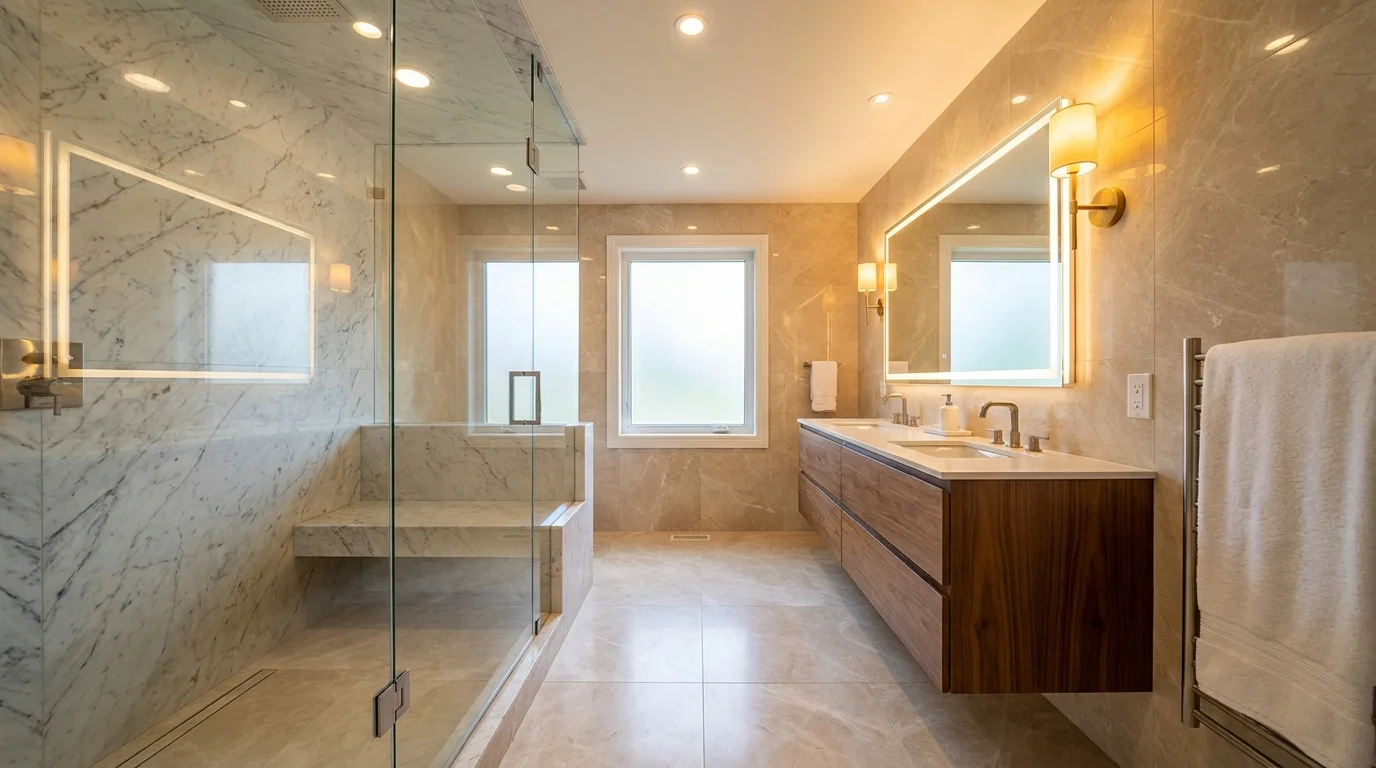
A successful bathroom renovation transforms a functional space into a personal sanctuary, significantly enhancing both your daily living and your home's value. To achieve this, a well-thought-out plan, informed design choices, and expert execution are crucial. IAC Home Improvement, serving homeowners across New Jersey, New York, and Pennsylvania, specializes in guiding you through every step, ensuring a beautiful, durable, and value-adding remodel.
Planning Your Dream Bathroom Renovation
Embarking on a bathroom renovation can feel overwhelming, but a structured approach ensures a smooth process and a stunning outcome. From initial concepts to regulatory compliance, careful planning is the foundation of a successful project.
Defining Your Vision and Goals
Before any demolition begins, take time to envision your ideal bathroom. Consider what you dislike about your current space and what functional or aesthetic improvements you desire. Are you seeking a spa-like retreat, a highly functional family bathroom, or an accessible design for aging in place? Think about the overall style (modern, traditional, transitional) and how it integrates with the rest of your Long Branch home. Collecting inspiration from magazines, websites, and showrooms can help solidify your preferences for fixtures, finishes, and color palettes. A clear vision helps your remodeling team understand your expectations and translate them into a tangible design.
Setting a Realistic Budget and Timeline
One of the most critical steps is establishing a realistic budget. Bathroom renovations can range significantly in cost, typically falling between $9,000 and $25,000 for a standard remodel in the New Jersey area, depending on the scope, materials, and labor involved. Factor in not just materials and labor, but also a contingency fund, usually 10-15% of the total, for unforeseen issues. A typical bathroom remodel timeline can span anywhere from 3 to 8 weeks, influenced by material availability, project complexity, and contractor scheduling. Discussing these parameters early with a trusted contractor like IAC Home Improvement will provide clarity and prevent surprises.
Understanding Permits and Regulations in NJ
Navigating local building codes and obtaining necessary permits is a vital, often overlooked, aspect of bathroom renovation, especially in areas like Monmouth County. Most structural changes, plumbing alterations, or significant electrical work will require permits to ensure the work meets safety standards. For instance, moving a toilet or shower, changing the layout, or adding new electrical outlets almost always necessitates a permit. Your contractor should be well-versed in local regulations for towns like Red Bank, Holmdel, and Colts Neck, and assist with the permit application process. Failing to secure proper permits can lead to fines, delays, and even the requirement to undo completed work, making it a critical step for homeowners across NJ, NY, and PA.
Maximizing Value and ROI in Your Bathroom Remodel
A bathroom renovation isn't just about aesthetics; it's also a significant investment in your home's value. Strategic choices can lead to a strong return on investment (ROI), making your home more attractive to potential buyers down the line.
Smart Upgrades That Boost Home Value
Not all upgrades are created equal when it comes to ROI. Focus on improvements that offer both aesthetic appeal and enhanced functionality. Replacing an outdated tub with a modern, spacious walk-in shower can be a huge draw, especially for empty nesters or those seeking accessibility. Upgrading to water-efficient fixtures, such as low-flow toilets and showerheads, not only saves on utility bills but also appeals to eco-conscious buyers. Investing in quality materials like porcelain tile, durable quartz countertops, and solid wood vanities ensures longevity and a luxurious feel. While a full kitchen remodel might cost $17,000-$45,000, a well-executed bathroom renovation often provides one of the best ROIs for homeowners in Asbury Park and beyond.
Design Trends for Lasting Appeal
While it's tempting to chase fleeting trends, opting for timeless design elements ensures your bathroom remains appealing for years. Transitional styles, which blend classic and contemporary elements, are consistently popular. Neutral color palettes for large surfaces (walls, flooring) allow for easy updates with accessories. Consider natural materials like wood-look tile or stone accents that evoke a sense of calm and luxury. Thoughtful storage solutions, such as built-in niches in showers or integrated cabinetry, enhance functionality without cluttering the space. IAC Home Improvement offers full-service home improvement solutions, ensuring your entire home, from flooring to painting, reflects a cohesive and lasting style.
The Full-Service Advantage with IAC Home Improvement
When undertaking a bathroom renovation, dealing with multiple contractors for different aspects (plumbing, electrical, flooring, painting) can be stressful and time-consuming. This is where IAC Home Improvement's full-service approach truly shines. As a comprehensive home improvement and construction company, we manage your entire project from start to finish. This means one point of contact for flooring, tile installation, interior painting (which typically ranges from $6-$11 per square foot depending on prep and paint quality), carpentry, and even exterior work like composite decks (a complete package with Trex Enhance decking, Fiberon Regency railings, framing and installation starts at about $16,000 for a 200 sq ft deck, with the final price set after a free on-site measurement) or masonry. Our integrated team ensures seamless coordination, adherence to schedules, and consistent quality across all trades, providing peace of mind for homeowners in Freehold, Long Branch, and throughout NJ, NY, and PA. We are your one trusted contractor for anything your home needs.
Navigating Key Design Choices: Layout and Fixtures
The layout and selection of fixtures are central to a bathroom's functionality and aesthetic. These decisions impact everything from daily routines to the overall feel of the room.
Walk-In Shower vs. Bathtub: A Long Branch Dilemma
One of the most significant decisions for many homeowners is whether to include a bathtub or opt for a spacious walk-in shower.
- Walk-In Shower: Increasingly popular, especially in master bathrooms, walk-in showers offer a luxurious, spa-like experience. They can make a bathroom feel larger and more open, provide easier accessibility, and often feature amenities like rain showerheads, body jets, and built-in benches. In many Long Branch homes, particularly along the Jersey Shore, homeowners are choosing to remove rarely used bathtubs to create expansive, modern walk-in showers.
- Bathtub: While walk-in showers are trending, a bathtub can still be a valuable asset, especially in homes with young children or if you enjoy soaking. Consider a freestanding tub for a touch of elegance or a jetted tub for therapeutic benefits. For homes with only one bathroom, keeping a tub is generally recommended for resale value.
Selecting Vanities, Sinks, and Toilets
These core fixtures combine functionality with style.
- Vanities: Choose a vanity that provides adequate storage and complements your bathroom's design. Options range from floating vanities for a modern look to traditional cabinet-style units. Consider the countertop material: quartz, granite, or solid surface are popular for their durability and low maintenance.
- Sinks: Undermount sinks are easy to clean and offer a seamless look, while vessel sinks provide a distinctive design statement. Pedestal sinks are great for small powder rooms, maximizing floor space.
- Toilets: Modern toilets offer improved water efficiency, with many models using as little as 1.28 gallons per flush (GPF), helping to conserve water and reduce utility bills. Consider comfort-height toilets for added accessibility and ease of use.
Lighting and Ventilation Essentials
Proper lighting and ventilation are critical for comfort, safety, and preventing moisture-related issues. Implement a layered lighting scheme: ambient lighting (overhead), task lighting (around the mirror), and accent lighting (to highlight features). Ensure fixtures are rated for damp or wet locations. For ventilation, a high-quality exhaust fan is non-negotiable. It should be appropriately sized for your bathroom's square footage and vented directly outside, not into an attic space. Adequate ventilation is essential to prevent mold and mildew growth, protect finishes, and maintain good indoor air quality, especially in humid climates common in areas like Monmouth County.
Choosing the Best Flooring and Wall Materials for Bathrooms
The materials you select for your bathroom's floors and walls must withstand moisture, humidity, and daily wear while contributing to the overall aesthetic.
Durable and Stylish Flooring Options
Bathroom flooring requires exceptional water resistance and durability.
| Flooring Type | Typical IAC Price (per sq ft) | Pros | Cons |
|---|---|---|---|
| Tile (Porcelain/Ceramic) | From $13 installed (standard porcelain or ceramic tile included) | Highly water-resistant, durable, vast design options, easy to clean, excellent PEI rating for wear. | Can be cold, hard underfoot, grout requires sealing/cleaning. |
| Luxury Vinyl Plank (LVP) | About $8 installed (plank and shoe molding included); installation only from $4 | 100% waterproof, comfortable underfoot, realistic wood/stone look, warm, easy installation. | Prone to dents/scratches with lower wear layers (aim for 20+ mil). |
| Laminate Flooring | From $4 (installation labor; laminate chosen separately) | Affordable, good wood look, some water resistance (check ratings). | Not fully waterproof, can swell if water penetrates seams. |
| Engineered Hardwood | From $4 (installation labor; wood chosen separately) | Real wood look, stable, warmer than tile. | Not ideal for high-moisture areas, can warp if exposed to standing water. |
The Allure of Tile: From Porcelain to Natural Stone
Tile remains the gold standard for bathroom surfaces due to its water resistance, durability, and versatility. Porcelain tile is an excellent choice for floors and shower walls, offering superior density and a low water absorption rate (typically less than 0.5%). Ceramic tile is also popular, often more affordable, and comes in a wide array of colors and patterns. For a luxurious feel, consider natural stone tiles like marble or travertine, though they require more maintenance (sealing) and are more porous. When selecting tile, pay attention to the PEI (Porcelain Enamel Institute) rating, which indicates a tile's resistance to abrasion and wear. A PEI rating of 3 or higher is suitable for residential bathroom floors. IAC Home Improvement specializes in expert tile installation, ensuring precise cuts, level surfaces, and properly sealed grout lines for a flawless finish.
Protecting Against Moisture: Walls and Backsplashes
Beyond flooring, protecting walls from moisture is crucial. In shower areas, utilize waterproof backer board (cement board or foam core) behind your tile. For walls outside the shower, moisture-resistant drywall is a good choice, finished with a semi-gloss or satin paint that can withstand humidity and be easily wiped clean. A tile backsplash around the vanity not only adds a decorative element but also protects the wall from water splashes, extending the life of your paint and drywall. Careful attention to waterproofing and sealing is paramount in any bathroom remodel.
The Renovation Process: What to Expect
Understanding the typical stages of a bathroom renovation can help you prepare and manage expectations throughout the project.
From Demolition to Finishing Touches
A standard bathroom renovation follows a predictable sequence:
- Demolition: Removal of old fixtures, flooring, and wall coverings. This is often the quickest but messiest stage.
- Rough-In Work: Plumbing and electrical lines are moved or installed according to the new layout. This includes running new pipes for showers, sinks, and toilets, and installing new wiring for lighting and outlets.
- Inspections: If permits were obtained, rough-in inspections by local authorities will occur to ensure compliance with codes.
- Framing & Backer Board: Any necessary framing changes are made, followed by the installation of cement board or moisture-resistant drywall.
- Flooring & Tiling: Installation of new flooring, shower pan, and wall tiles. Grout is applied and sealed.
- Cabinetry & Countertops: Vanity cabinets and countertops are installed.
- Fixture Installation: Toilets, sinks, faucets, showerheads, and light fixtures are put in place.
- Painting & Trim: Walls are painted, and trim work (baseboards, door casings) is installed and finished.
- Final Touches & Clean-Up: Mirrors, accessories, and final cleaning complete the project.
Working with a Trusted Contractor in NJ, NY, PA
Choosing the right contractor is the most important decision for your renovation. Look for a company with a proven track record, clear communication, and proper licensing. IAC Home Improvement holds NJ License #13VH13143000 and PA License #188007, demonstrating our commitment to professionalism and compliance. Our 5.0 rating with 100+ Google reviews reflects our dedication to customer satisfaction across New Jersey, New York, and Pennsylvania. We provide detailed contracts, transparent pricing, and comprehensive project management. When you partner with us for your bathroom remodeling project, you're choosing a team that values quality, integrity, and timely completion.
Post-Renovation Care and Maintenance
Once your beautiful new bathroom is complete, proper care will preserve its beauty and functionality for years. Regularly clean grout lines to prevent mold and mildew, especially in shower areas. Use appropriate cleaners for your specific tile, countertop, and fixture materials. Ensure your exhaust fan is used consistently during and after showers to manage humidity. Periodically check for leaks around plumbing fixtures. With mindful maintenance, your renovated bathroom will remain a source of comfort and pride for a long time.
Frequently Asked Questions About Bathroom Renovations
How much does a bathroom renovation typically cost in New Jersey?
In New Jersey, a standard bathroom renovation can range from $9,000 to $25,000. This cost varies based on the size of the bathroom, the quality of materials chosen (e.g., tile vs. LVP, custom vs. stock vanity), the extent of layout changes, and whether high-end fixtures are installed. A small powder room update will be on the lower end, while a full master bathroom remodel with custom features will be higher.
What is the average timeline for a bathroom remodel?
The average timeline for a complete bathroom remodel typically ranges from 3 to 8 weeks. Factors influencing this include the complexity of the design, the need for structural or plumbing changes, the availability of materials, and the contractor's schedule. Minor updates, like painting and fixture replacement, can be completed in a few days.
Which bathroom flooring option is best for durability and water resistance?
For superior durability and water resistance in bathrooms, porcelain tile and high-quality Luxury Vinyl Plank (LVP) are the top choices. Porcelain tile is highly dense, has a very low water absorption rate, and is extremely resistant to wear (look for a PEI rating of 3 or higher). LVP is 100% waterproof, comfortable underfoot, and offers realistic wood or stone aesthetics, with a strong wear layer (20+ mil) providing excellent longevity.
Do I need permits for a bathroom renovation in Monmouth County?
Yes, most significant bathroom renovations in Monmouth County, NJ, require permits. This includes projects involving structural changes, alterations to plumbing lines (like moving a toilet or shower), or substantial electrical work (adding new circuits or outlets). Cosmetic updates like painting or replacing a vanity in the same location typically do not require permits. It's always best to consult with your contractor or local building department to ensure compliance.
Ready to transform your bathroom? Contact IAC Home Improvement today at (848) 358-7694 or email us at contact@iachomeimprovement.com. Let our licensed and highly-rated team bring your vision to life!
Authoritative resource: This Old House.