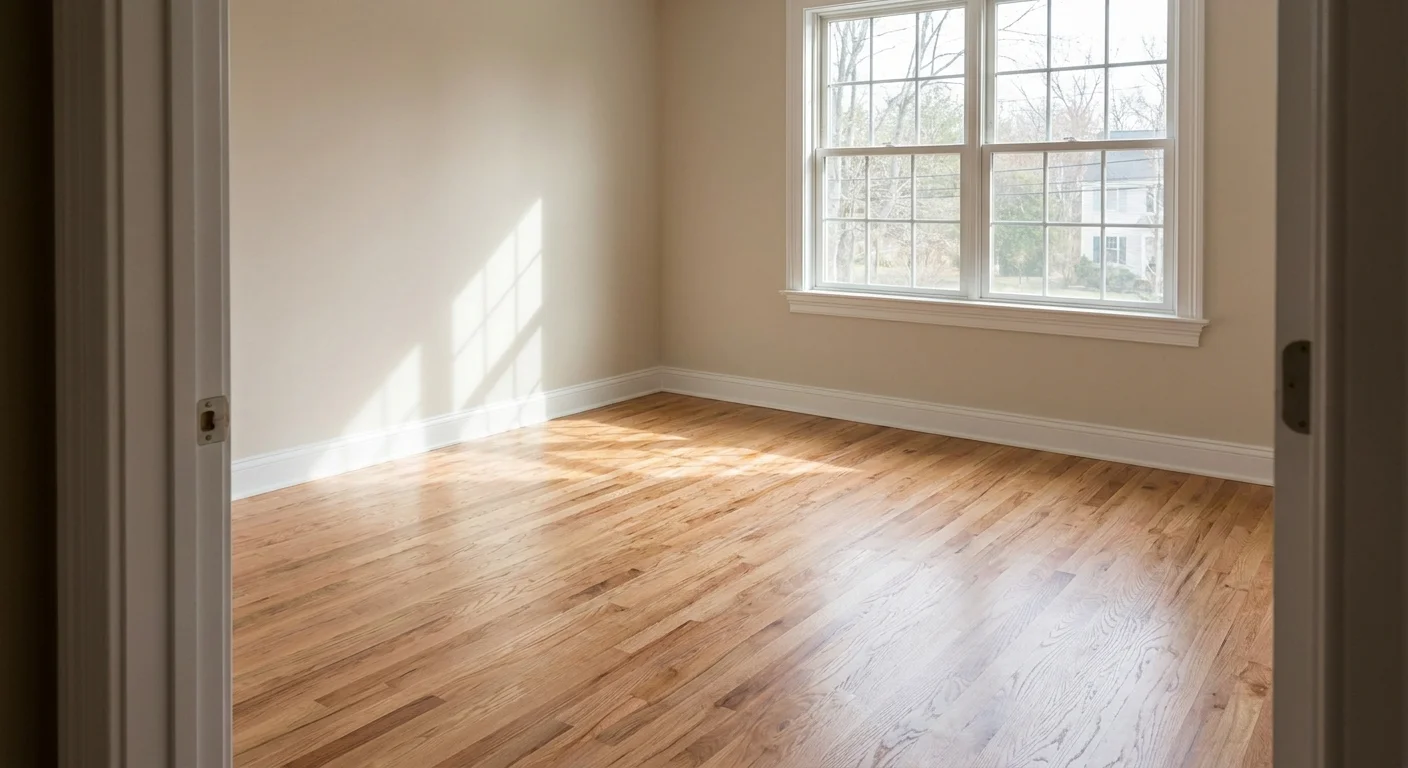
Replacing carpet with hardwood floors is a popular home improvement project for New Jersey homeowners seeking durability, enhanced aesthetics, and increased property value. In 2026, the labor cost for straight-lay hardwood floor installation in New Jersey typically starts from $4 per square foot, with the wood flooring material chosen and priced separately. Most projects undertaken by IAC Home Improvement have a minimum cost of $1,300. The total investment will depend on factors like wood type, installation complexity, and any necessary subfloor preparation.
How Much Does It Cost to Replace Carpet with Hardwood Floors in New Jersey?
The initial price point for replacing carpet with hardwood floors in New Jersey centers on the installation labor. For standard, straight-lay solid or engineered hardwood, you can expect installation labor to start from $4 per square foot. This figure does not include the cost of the hardwood materials themselves, which you select separately to match your style and budget. Every hardwood flooring project also has a minimum cost of $1,300 to ensure comprehensive service and quality.
Understanding Hardwood Installation Labor Costs
Our labor pricing is designed to be transparent, focusing on the craftsmanship required for a flawless installation. The base rate of $4 per square foot covers the installation of straight-lay solid or engineered hardwood. If your vision includes more intricate patterns, such as herringbone or chevron, the labor cost will start from $12 per square foot due to the increased complexity and specialized skill required. Remember, these figures are for installation labor only, and the cost of the actual wood flooring is a separate consideration.
Beyond the primary installation, additional services such as the removal of old carpet, padding, and tack strips, as well as any necessary subfloor preparation, are quoted individually after a thorough on-site measurement and inspection. This ensures you receive an accurate and comprehensive estimate tailored to your specific project needs.
Typical Cost Range for Hardwood Installation Labor in NJ
The table below provides a general overview of estimated labor costs for hardwood installation projects, highlighting how scope and complexity influence the price per square foot. It's crucial to understand that these ranges are for labor only, and the cost of your chosen hardwood material will be added separately.
| Project Scope | Estimated Labor Cost (per sq ft) | Notes |
|---|---|---|
| Small Room (e.g., 100-200 sq ft) | From $4 - $6 | Straight lay; wood priced separately. Project minimum $1,300 applies. |
| Average Room / Multiple Rooms (e.g., 200-800 sq ft) | From $4 - $5 | Straight lay; wood priced separately. |
| Complex Layout / Herringbone Pattern | From $12+ | For intricate patterns like herringbone or chevron; wood priced separately. |
Worked Example: Replacing Carpet in a Three-Bedroom Upstairs
Let's consider a common scenario for homeowners in Monmouth County, such as replacing carpet with hardwood throughout an upstairs area comprising three bedrooms and a hallway, totaling approximately 1,000 square feet. For a standard straight-lay installation, the labor cost would be calculated based on the starting rate of $4 per square foot.
Using this rate, the estimated labor cost for your 1,000 sq ft upstairs project would be 1,000 sq ft × $4/sq ft = $4,000. This figure represents the installation labor only. The cost of your chosen hardwood flooring material would be added to this, along with any charges for old carpet removal, subfloor preparation, or specialized work like staircases, all determined after a professional on-site evaluation.
What Factors Influence the Price of Your Hardwood Floor Replacement Project?
The final cost to replace carpet with hardwood floors is determined by several key factors beyond just the square footage, including the specific type of wood you choose, the complexity of the installation, and any necessary preparation of the subfloor. Understanding these variables helps homeowners in New Jersey budget effectively for their flooring upgrade.
Key Elements That Move the Price
Numerous decisions and existing conditions can impact the overall investment required for your hardwood flooring project. IAC Home Improvement provides one clear project total after a free on-site measurement, but these are the elements that contribute to that figure:
- Wood Type and Quality: The species (e.g., oak, maple, hickory), grade, plank width, length, and finish of the hardwood flooring material you select will significantly affect the material cost, which is priced separately from installation labor.
- Installation Method: A standard straight-lay installation has a different labor cost (from $4/sq ft) than more complex patterns like herringbone or chevron, which require specialized skill and more time (labor from $12/sq ft).
- Subfloor Condition: If the existing subfloor under your carpet is uneven, damaged, or requires extensive repair or leveling, additional labor and materials will be needed to ensure a stable base for your new hardwood.
- Old Flooring Removal: The cost for removing existing carpet, padding, and tack strips, along with disposal fees, is quoted separately based on the scope and effort involved.
- Stairs and Transitions: Installing hardwood on staircases requires intricate cuts, specialized nosings, and significantly more labor per step, quoted per staircase. Seamless transitions to other flooring types also require careful planning and specific materials.
- Room Layout & Obstacles: Rooms with irregular shapes, numerous doorways, fireplaces, built-in cabinetry, or other obstacles increase the complexity of cuts and fitting, adding to installation time.
- Geographic Location: While we serve homeowners across New Jersey, New York, and Pennsylvania, local market conditions and material accessibility in specific areas like Long Branch, Red Bank, or Asbury Park can subtly influence overall project costs.
The Importance of Old Carpet Removal and Subfloor Prep
Before any new hardwood planks can be laid, the existing carpet, padding, and tack strips must be completely and carefully removed. This process is quoted separately from the hardwood installation labor and involves not just pulling up the old flooring but also cleaning the subfloor of any debris or residual adhesives.
Crucially, a thorough inspection of the subfloor is performed after removal to ensure it is sound, dry, and perfectly level. An uneven or damaged subfloor can lead to squeaks, gaps, or even structural issues with your new hardwood over time. If repairs, leveling compounds, or moisture mitigation are necessary, these steps are essential and will be included in your project's total cost. A properly prepared subfloor is the foundation for a beautiful and long-lasting hardwood floor. Learn more about our comprehensive hardwood installation services.
Ready to transform your home? Call us at (848) 234-0283, text us a photo of your space, or request a free estimate for your New Jersey hardwood flooring project. As a full-service home improvement company, IAC Home Improvement handles everything from flooring and kitchen remodels to painting and basements, offering one trusted contractor for your entire home.
Choosing Your Hardwood: Solid vs. Engineered and Material Costs
The type of hardwood you select for your project significantly impacts the overall material cost, which is separate from our installation labor, and should be chosen based on your home's environment, aesthetic preferences, and budget. Homeowners in towns like Middletown and Freehold have a wide array of options to consider.
Solid Hardwood Flooring: Timeless Beauty
Solid hardwood flooring is crafted from a single, continuous piece of wood, typically 3/4 inch thick. Its enduring appeal lies in its authenticity and the ability to be refinished multiple times over its lifespan, often 3-5 times or more over several decades. This makes it an incredibly durable and long-term investment that significantly increases a home's value.
However, solid hardwood is more sensitive to changes in humidity and temperature, making it less suitable for areas prone to moisture, such as basements, or direct installation over concrete slabs. Its material cost can be higher, but its longevity and classic look often justify the investment for many homeowners.
Engineered Hardwood Flooring: Versatility and Stability
Engineered hardwood flooring consists of a real hardwood veneer layer bonded to a core of high-quality plywood or high-density fiberboard. This multi-layered construction provides greater stability and resistance to moisture and temperature fluctuations compared to solid hardwood, making it a versatile choice for various environments, including basements and installations over concrete.
Engineered wood can also accommodate wider planks, creating a contemporary aesthetic. While some engineered floors with thicker veneers can be refinished once or twice, this is not as extensive as solid hardwood. Material costs for engineered hardwood can range from budget-friendly to premium, often comparable to solid hardwood depending on the veneer thickness and overall quality.
Sourcing Your Hardwood Materials
At IAC Home Improvement, we empower our clients to choose and purchase their hardwood materials separately. This approach provides you with complete control over your material selection, allowing you to find the perfect wood species, finish, and plank dimensions that align with your design vision and budget. Whether you prefer the classic look of Red Oak, the modern appeal of Maple, or the rustic charm of Hickory, the choice is entirely yours.
Many clients opt for prefinished hardwood, which comes from the factory already sanded, stained, and sealed, ready for installation. This can expedite the project timeline. Alternatively, site-finished hardwood offers the flexibility of custom staining and finishing after installation, providing a truly unique look. Understanding the cost of hardwood flooring for a 2000 sq ft home in NJ can help you plan your material budget.
The Hardwood Installation Process: From Prep to Finish
A professional hardwood installation involves a meticulous sequence of steps, from initial site preparation and material acclimation to the final finishing touches. This comprehensive approach ensures the durability, aesthetic appeal, and long-term performance of your new floors, especially critical in the varying climates of New Jersey, New York, and Pennsylvania.
Key Steps in Hardwood Floor Installation
The journey from carpeted floors to elegant hardwood is a detailed process handled with precision by experienced installers:
- Old Flooring Removal: The first step involves carefully removing the existing carpet, padding, and tack strips. This ensures a clean slate and allows for a thorough inspection of the underlying subfloor.
- Subfloor Preparation: After removal, the subfloor is meticulously inspected for any damage, unevenness, or moisture issues. Any necessary repairs, leveling, or cleaning are completed to create a perfectly flat and stable foundation for the new hardwood.
- Hardwood Acclimation: Hardwood planks are delivered to your home and laid out in the installation area for several days, typically 3-7 days. This allows the wood to acclimate to your home's unique temperature and humidity levels, minimizing expansion or contraction after installation.
- Layout and Installation: Once acclimated, the planks are strategically laid out, often perpendicular to the floor joists for structural integrity. Depending on the wood type and subfloor, they are secured using specialized nails, staples, or adhesive, ensuring a tight, seamless fit.
- Finishing Touches: The final stage involves installing shoe molding or quarter-round trim along the baseboards for a polished look. For site-finished floors, this is when sanding, staining, and applying protective polyurethane coats occur.
Handling Stairs, Landings, and Room Transitions
Integrating hardwood flooring seamlessly throughout your home, especially across different levels and into various rooms, requires specialized attention. Staircases, for instance, are quoted separately due to the intricate cuts, precise measurements, and significant labor involved for each tread, riser, and nosing. Hardwood stairs not only unify your flooring but also elevate the entire aesthetic of your home, creating a striking visual impact from your entryway to your upstairs.
Landings are typically treated as part of the overall square footage but still demand careful installation. For transitions between hardwood and other flooring types, such as tile or luxury vinyl plank, IAC Home Improvement uses appropriate transition strips, reducers, or flush-mount thresholds. This ensures a smooth, safe, and visually cohesive flow throughout your Monmouth County home. Our team can also assist with stairs and railings as part of your comprehensive home improvement project. For a deeper dive into the process, explore our hardwood installation guide.
Comparing Hardwood with Other Popular Flooring Options
When considering replacing carpet, homeowners in New Jersey often weigh hardwood against other durable and attractive alternatives like luxury vinyl plank (LVP) or even the option of refinishing existing hardwood if it's discovered beneath the carpet.
Hardwood vs. Luxury Vinyl Plank (LVP)
Hardwood flooring, with its genuine wood aesthetic, offers unparalleled natural beauty and the ability to be refinished multiple times, significantly increasing home value. However, it typically comes with a higher upfront cost, combining both material and installation labor (from $4/sq ft labor, wood separate).
Luxury Vinyl Plank (LVP), on the other hand, is an increasingly popular choice. It typically costs about $8 per square foot all-inclusive, covering the plank material, installation, and shoe molding. If clients supply their own LVP, installation-only labor starts from $4 per square foot. LVP is highly water-resistant, incredibly durable, and a fantastic option for high-traffic areas, kitchens, bathrooms, and basements. While it beautifully mimics the look of wood, it cannot be refinished. Both options offer projects from $1,300.
Hardwood Installation vs. Hardwood Refinishing
If you remove your carpet and discover existing hardwood floors underneath, you have two primary options: full replacement or refinishing. Hardwood installation (labor from $4/sq ft, wood separate) is necessary if the existing wood is severely damaged, has extensive water stains, or if you simply desire a different wood species or plank style.
Alternatively, if the existing hardwood is in decent structural condition, refinishing is a cost-effective and transformative solution. Hardwood floor refinishing typically costs $2-$4 per square foot, all-inclusive, with projects starting from $1,600. This process involves sanding down the old finish, applying new stain (if desired), and sealing it with multiple coats of protective polyurethane, restoring its original luster.
Hardwood vs. New Carpet Installation
Choosing between hardwood and new carpet involves weighing aesthetics, maintenance, and comfort. Hardwood flooring is celebrated for its longevity, hypoallergenic properties, and ease of cleaning, making it a solid long-term investment. Its higher initial cost is often offset by lower long-term maintenance and its significant contribution to resale value.
New carpet, conversely, offers a softer underfoot feel, superior sound insulation, and a lower initial investment. Carpet installation labor starts from $3 per square foot, including pad installation, with the carpet and pad materials priced separately by selection. Old carpet removal is quoted separately, and stairs are quoted per staircase. While carpet projects can start from $800, it generally requires more frequent replacement and professional cleaning compared to hardwood.
Practical Ways to Save on Your Hardwood Floor Replacement
While hardwood flooring is a significant investment, there are smart strategies homeowners in areas like Freehold, Holmdel, and Colts Neck can employ to manage costs without compromising the quality and beauty of their new floors. Thoughtful planning can help you achieve your desired outcome within your budget.
Smart Material Choices
One of the most impactful ways to manage costs is through your material selection, as the wood itself is priced separately from installation labor. Consider these options:
- Select Common Species: Opting for widely available wood species like Red Oak or Maple can be more budget-friendly than exotic woods or highly specialized varieties.
- Consider Engineered Wood: Depending on the quality and thickness of the veneer, engineered hardwood can sometimes offer a more cost-effective material option than solid hardwood, especially if you need it for moisture-prone areas or concrete subfloors.
- Standard Plank Widths and Lengths: Custom or extra-wide/long planks often come at a premium. Choosing standard dimensions can help keep material costs in check.
- Prefinished Options: While the material cost for prefinished hardwood might be slightly higher, it eliminates the need for on-site sanding, staining, and finishing labor, potentially saving on overall project time and cost.
Optimize Installation Scope
Strategic decisions regarding the installation process can also lead to savings:
- DIY Demolition (Carefully): If you are comfortable and capable, removing the old carpet, padding, and tack strips yourself can save on the separate labor cost for demolition. However, ensure you do it properly to avoid damaging the subfloor, and confirm disposal methods. IAC can advise on best practices.
- Straight Lay Pattern: Choosing a standard straight-lay installation (labor from $4/sq ft) is more economical than more complex patterns like herringbone or chevron (labor from $12/sq ft), which require significantly more time and precision.
- Phased Projects: If budget is a primary concern, consider installing hardwood in your highest-priority areas first, such as living rooms or master bedrooms, and expanding to other areas like a basement or an upstairs later.
Long-Term Value and Maintenance
Remember that hardwood floors are an investment that provides significant long-term value. They are highly durable and, with proper care, can last for decades, often outliving other flooring types. Hardwood also significantly boosts a home's resale value and appeal, making it a wise choice for your property in Manalapan or Eatontown.
Implementing a simple maintenance routine, such as regular sweeping and occasional damp mopping with appropriate cleaners, will protect your investment and reduce the need for premature repairs or refinishing, ensuring your floors look beautiful for years to come.
Frequently Asked Questions About Hardwood Floor Replacement
How long does it take to replace carpet with hardwood floors?
Typically, for an average-sized room or a few rooms (e.g., 500-1,000 sq ft), the process can take 3-7 days. This timeframe includes the removal of old carpet, thorough subfloor preparation, and the crucial hardwood acclimation period. Larger projects, those involving intricate stairs, or complex layouts will naturally require more time, often extending to 1-2 weeks for completion.
Can I install hardwood over an existing subfloor that had carpet?
Yes, in most cases, hardwood can be installed over an existing plywood or OSB subfloor after the carpet has been removed. However, the subfloor must undergo a meticulous inspection to ensure it is perfectly sound, completely dry, adequately flat, and free from any damage. Any necessary repairs or leveling are absolutely crucial for guaranteeing a successful and long-lasting hardwood installation.
What's the difference between solid and engineered hardwood?
Solid hardwood is crafted from a single, thick piece of wood, offering the advantage of being refinished multiple times over its lifespan. Engineered hardwood, conversely, features a real wood veneer atop a stable plywood or fiberboard core. This construction provides enhanced stability against moisture fluctuations, making it a more versatile choice for basements or installations over concrete slabs. Both options deliver the authentic beauty of real wood.
Does replacing carpet with hardwood increase home value?
Yes, replacing carpet with hardwood floors is widely regarded as one of the best investments a homeowner can make to significantly increase a property's resale value and overall market appeal. Hardwood is celebrated for its durability, timeless aesthetic, and longevity, qualities that are highly sought after by prospective homebuyers. It often serves as a key selling point in the competitive New Jersey real estate market.
Authoritative resource: National Wood Flooring Association.