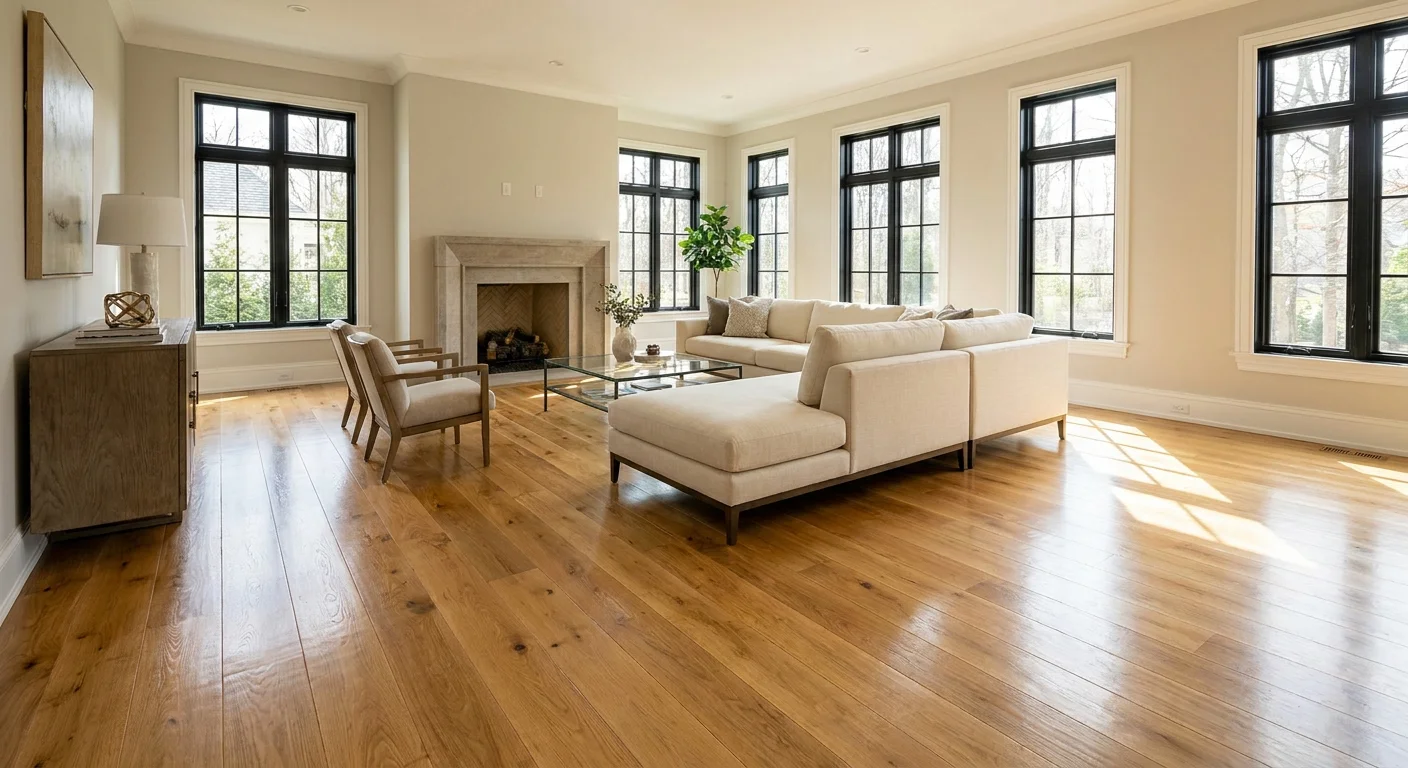
Hardwood floors are a timeless investment, adding warmth, elegance, and value to homes across New Jersey, New York, and Pennsylvania. However, over time, even the most resilient hardwood can show signs of wear and tear. Hardwood floor refinishing is the process of sanding down the existing finish and a thin layer of wood to reveal fresh wood underneath, then applying new stain and protective coats. This restores their original beauty, extends their lifespan by decades, and protects your home's aesthetic and structural integrity, making it a crucial maintenance step for homeowners.
Recognizing When Your Hardwood Floors Need Refinishing
Understanding when your hardwood floors are due for a refresh is key to maintaining their beauty and preventing more extensive damage. Ignoring the signs can lead to deeper scratches, water damage, or even the need for costly replacement.
Visual Cues and Wear Patterns
The most obvious indicators are visual. Look for areas where the finish has worn thin, revealing the raw wood underneath. This is common in high-traffic zones like hallways, entryways, and in front of frequently used furniture such as kitchen islands or living room sofas. Deep scratches, scuffs, and gouges that penetrate the finish layer are also clear signs. Discoloration, especially around pet bowls or near exterior doors, can indicate moisture damage or sun fading that a simple cleaning won't fix.
The Water Drop Test and Other Indicators
Beyond surface imperfections, a simple water drop test can confirm if your finish is compromised. Place a few drops of water on an inconspicuous area of your hardwood floor. If the water beads up and stays on the surface, your finish is still intact. If the water soaks into the wood within a few minutes, darkening the area, it means the protective layer is worn, and the wood is vulnerable to moisture damage. Another indicator is persistent squeaking or creaking, which while sometimes related to subfloor issues, can also be exacerbated by moisture ingress due to a failing finish, particularly in older homes in Monmouth County or along the Jersey Shore.
Beyond Aesthetics: Protecting Your Investment
Refinishing isn't just about making your floors look good; it's about protecting a significant investment. A compromised finish leaves your hardwood susceptible to spills, pet accidents, and humidity fluctuations, which can lead to warping, cupping, or even mold growth. A timely refinish can prevent these issues, preserving the structural integrity of your floors and saving you from much more expensive repairs down the line. For example, a quality hardwood floor refinish in NJ typically costs $2-$4 per square foot, while a full replacement can range from $4-$7 per square foot for basic materials, not including the cost of old floor removal and disposal.
The Hardwood Refinishing Process: A Step-by-Step Guide
Professional hardwood floor refinishing is a meticulous process that requires specialized equipment and expertise to achieve a flawless, long-lasting result. Here’s a general overview of what homeowners in areas like Red Bank, Holmdel, or Colts Neck can expect.
Preparation and Workspace Protection
Before any sanding begins, the room must be completely cleared of furniture, rugs, and décor. Our team at IAC Home Improvement takes great care to protect surrounding areas by taping off doorways, vents, and built-in cabinetry with plastic sheeting. This minimizes dust migration throughout your home. Any loose boards or protruding nails are addressed, and minor repairs are made to ensure a smooth, even surface for sanding.
Sanding: The Foundation of a Flawless Finish
Sanding is the most critical step, removing the old finish, stains, and imperfections. Professional companies like IAC utilize industrial-grade sanders, often equipped with advanced dust containment systems to capture up to 90% of airborne dust. The process involves multiple passes with progressively finer grits of sandpaper:
- Coarse Grit (e.g., 40-60): Removes the old finish and deep scratches, ensuring a level surface.
- Medium Grit (e.g., 80-100): Smooths out the marks left by the coarse grit.
- Fine Grit (e.g., 120-150): Achieves a silky-smooth surface, preparing the wood for staining and finishing.
Edge sanders and detail sanders are used for areas inaccessible to the main drum sander, ensuring uniform results across the entire floor. After sanding, the floor is thoroughly vacuumed and tacked to remove all dust particles.
Staining and Finishing: Elevating Your Floor's Beauty
Once the floor is perfectly clean, the chosen stain color is applied evenly. This is where the true artistry comes in, transforming the wood's appearance. Popular stain brands like DuraSeal offer a wide spectrum of colors, from light natural tones to rich, dark hues. After the stain dries, multiple coats of a protective finish are applied. Common options include:
- Oil-Based Polyurethane: Highly durable, ambering effect, longer drying time (24 hours between coats).
- Water-Based Polyurethane: Faster drying (2-4 hours between coats), clearer finish that doesn't yellow, lower VOCs.
- Moisture-Cure Urethane: Extremely durable, often used in commercial settings, but with higher VOCs.
- Penetrating Oils: Offer a natural, matte look, easy spot repair, but may require more frequent maintenance.
Typically, 2-3 coats of finish are applied, with light buffing between coats for optimal adhesion and smoothness. The type of finish chosen significantly impacts the floor's durability and aesthetic. For example, a floor made of Red Oak (Janka hardness of 1290) in a busy Freehold kitchen would benefit greatly from a durable oil-based polyurethane, while a Maple (Janka hardness of 1450) bedroom floor might look stunning with a clear water-based finish.
Curing and Post-Refinishing Care
While the floor may be dry to the touch within 24-48 hours, allowing for light foot traffic (often in socks), the finish needs time to fully cure and reach maximum hardness. This typically takes 7-14 days, depending on the finish type and environmental conditions like humidity. During this period, it's crucial to avoid placing heavy furniture, rugs, or walking on the floor with shoes. Proper ventilation helps in the curing process. Once fully cured, your refinished hardwood floors will be ready to withstand years of daily life.
DIY vs. Professional Hardwood Refinishing in NJ, NY, and PA
Many homeowners consider tackling hardwood refinishing themselves to save money. However, for a lasting and beautiful result, especially in the diverse homes across Long Branch, Asbury Park, and other parts of the tri-state area, professional expertise is often invaluable.
The Lure of DIY: What to Consider
DIY refinishing often seems appealing due to potential cost savings. Equipment rentals are available, and online tutorials abound. However, the learning curve for operating heavy sanding equipment is steep. Improper sanding can lead to uneven surfaces, visible swirl marks, or even permanent damage like "dips" or "waves" in the wood. Applying stain and finish evenly without streaks or bubbles also requires skill and experience. The dust created, even with rental vacuums, can be immense, and proper ventilation is critical for managing fumes from finishes. A DIY job gone wrong can end up costing more in professional corrections than the initial professional service.
Why Professional Expertise Pays Off
Hiring a professional hardwood refinishing company like IAC Home Improvement offers numerous benefits:
- Expertise and Experience: Professionals understand different wood species, their unique characteristics, and how various stains and finishes interact with them. They can identify and properly address underlying issues like water damage or pet stains.
- Specialized Equipment: We use industrial-grade sanders with superior dust collection systems, ensuring a cleaner process and a smoother finish than rental equipment.
- Quality Materials: Professionals have access to higher-quality stains and finishes that offer better durability, aesthetic appeal, and faster drying/curing times than consumer-grade products.
- Efficiency and Convenience: A professional team can complete the job much faster and more efficiently, minimizing disruption to your household. A typical 500 sq ft room might take a DIYer a week, but a professional team can often complete it in 3-5 days.
- Guaranteed Results: Reputable companies stand by their work, often offering warranties (e.g., 1-3 years on workmanship) that provide peace of mind.
For a perfect finish that enhances your home's value, the investment in professional refinishing is well worth it.
Choosing the Right Contractor (e.g., IAC Home Improvement)
When selecting a contractor for hardwood refinishing in NJ, NY, or PA, look for a company with a strong track record, positive reviews (like IAC's 5.0 rating with 100+ Google reviews), and proper licensing (NJ License #13VH13143000, PA License #188007). Ask for references and view portfolios of their previous work. A good contractor will provide a detailed quote, explain the process thoroughly, and answer all your questions. At IAC Home Improvement, we pride ourselves on being a full-service home improvement and construction company, meaning we can handle not just your flooring needs but also kitchen & bathroom remodeling, interior/exterior painting, carpentry, decks, and more, offering a seamless experience for your entire project. Learn more about our hardwood refinishing services here: Hardwood Refinishing Services.
Understanding Hardwood Refinishing Costs and Value
Investing in hardwood floor refinishing is a smart financial decision that enhances both the beauty and market value of your home. Understanding the cost factors helps in budgeting and appreciating the long-term benefits.
Factors Influencing Refinishing Price
The cost of hardwood floor refinishing in areas like New York and New Jersey typically ranges from $2 to $4 per square foot. Several factors contribute to this price:
- Square Footage: Larger areas naturally cost more.
- Condition of the Floors: Floors with deep gouges, extensive water damage, or significant pet stains may require more intensive repairs, increasing the cost.
- Wood Species: Some harder wood species (like exotic hardwoods or dense maples) can be more challenging to sand, potentially affecting labor time.
- Number of Coats: While 2-3 coats of finish are standard, additional coats for extra durability may slightly increase the price.
- Stain Application: Applying a custom stain color takes more time and precision than simply applying a clear finish.
- Dust Containment: Premium dustless sanding systems, while often standard for professionals, contribute to a cleaner, healthier job site.
It's always best to get a detailed, on-site estimate from a reputable company like IAC Home Improvement.
Hardwood Refinishing vs. Replacement Costs
Refinishing is almost always more cost-effective than replacing existing hardwood floors. While refinishing averages $2-$4 per square foot, installing new hardwood can range from $4-$7 per square foot for basic materials alone, often increasing to $8-$15+ per square foot once installation labor, removal of old flooring, and higher-grade materials are factored in. Moreover, refinishing preserves the original character and often the wider planks of older homes, which can be highly desirable. For those considering other flooring options, new vinyl plank installation typically costs $3-$5/sqft, laminate is $3.50-$4.50/sqft, and carpet is $1.50-$3/sqft. Hardwood refinishing offers superior durability and aesthetic value compared to these options for a comparable or lower long-term cost.
Long-Term Value and ROI
Refinished hardwood floors significantly boost a home's appeal and resale value. Real estate agents consistently report that homes with well-maintained hardwood floors sell faster and often for a higher price. The durability of a professionally applied finish means your floors can last another 10-15 years before needing another refresh, providing an excellent return on investment. Furthermore, maintaining your home's original features like hardwood floors adds to its overall charm and character, a major draw for buyers in competitive markets like Monmouth County and the surrounding tri-state area.
Selecting the Perfect Stain and Finish for Your Home
Beyond the practical aspects of refinishing, choosing the right stain and finish allows you to completely transform the look and feel of your home, aligning your floors with your personal style and décor.
Exploring Stain Colors and Their Impact
Stain colors range from light, natural tones that emphasize the wood's grain to rich, dark hues that create a dramatic statement. Lighter stains can make rooms feel more spacious and airy, reflecting natural light beautifully. They also tend to show less dust and minor scratches. Darker stains, on the other hand, lend a sophisticated, luxurious feel, but can make a room feel smaller and tend to highlight dust and pet hair more readily. Popular choices in NJ homes include classic medium browns like "Provincial" or "Special Walnut" for warmth, or gray-infused tones for a more contemporary look. It's always recommended to test several stain samples on your actual floor, as the natural color of your wood species (e.g., Red Oak vs. White Oak) will influence the final appearance.
Finish Types: Durability, Sheen, and Maintenance
The type of finish you choose impacts both the durability and the aesthetic of your floors. Polyurethane finishes are the most common due to their excellent protective qualities. Oil-based polyurethanes are known for their extreme durability and ambering effect over time, giving floors a warm, golden glow. Water-based polyurethanes dry faster, are clearer (resisting the ambering effect), and have lower VOCs, making them a popular choice for families and those seeking a more modern, natural wood look. Sheen levels also vary:
- Matte: Low-luster, natural wood appearance, hides imperfections well.
- Satin: Most popular, soft sheen, balances durability and aesthetics.
- Semi-Gloss: Noticeable shine, reflects more light.
- Gloss: High-shine, very reflective, often used for dramatic effect but shows imperfections more.
Consider your lifestyle: a busy household with pets might benefit from a satin or matte finish with high durability, while a formal dining room could handle a semi-gloss.
Matching Your Home's Style and Lighting
When selecting stain and finish, consider your home's overall architectural style, existing furniture, wall colors, and most importantly, the natural light in each room. A dark stain might overwhelm a small room with limited natural light, while a lighter stain could brighten it. Conversely, a large, well-lit space can beautifully showcase deep, rich tones. Our experts at IAC Home Improvement can provide guidance and show you samples to help you visualize the final result, ensuring your refinished floors perfectly complement your home in Long Branch, Holmdel, or anywhere in the tri-state area.
Maintaining Your Refinished Hardwood Floors
Once your hardwood floors are beautifully refinished, proper care is essential to preserve their luster and extend the life of the new finish for years to come.
Everyday Cleaning and Protection
Regular maintenance is simple yet effective. Sweep or vacuum (using a soft brush attachment) frequently to remove dirt and grit that can scratch the finish. For deeper cleaning, use a hardwood-specific cleaner and a slightly damp mop or cloth – never excessive water, as moisture is the enemy of hardwood. Place felt pads under all furniture legs to prevent scratches, and use area rugs in high-traffic zones, entryways, and under chairs with wheels. Trim pet nails regularly to minimize scratches. Remember, a little proactive care goes a long way in keeping your floors pristine.
Humidity Control and Environmental Factors
Hardwood is a natural material that reacts to its environment. Maintaining a consistent indoor humidity level between 35% and 55% is crucial, especially in regions with fluctuating seasons like NJ, NY, and PA. Too much humidity can cause wood to swell (cupping), while too little can cause it to shrink (gapping). Using a humidifier in dry winter months and a dehumidifier in humid summer months can prevent these issues. Protect floors from direct, prolonged sunlight exposure with curtains or blinds, as UV rays can cause fading or discoloration over time, even with a protective finish.
When to Consider Future Refinishing or Maintenance Coats
With proper care, a professional hardwood refinish can last 10-15 years or even longer. However, if you notice the finish starting to dull or show minor wear in certain areas before a full refinish is needed, a "buff and recoat" (or screening and recoating) might be an option. This involves lightly abrading the existing finish and applying a fresh topcoat without full sanding. It's a less invasive and more affordable way to extend the life of your finish. Consult with professionals like IAC Home Improvement to determine if your floors are good candidates for a recoat or if a full refinish is necessary. For any major home renovation, from deck building ($10-$16/sqft) to kitchen remodeling ($17K-$45K) or interior painting ($6-$11/sqft), remember that IAC Home Improvement is your trusted full-service partner.
Frequently Asked Questions About Hardwood Refinishing
How long does hardwood floor refinishing take?
The typical refinishing process for an average-sized room (around 200-300 square feet) usually takes 3-5 days from start to finish. This includes sanding, staining (if desired), and applying multiple coats of finish, allowing for adequate drying time between coats. Full curing for heavy traffic and furniture can take 7-14 days.
Can all hardwood floors be refinished?
Most solid hardwood floors can be refinished multiple times throughout their lifespan. Engineered hardwood floors can also be refinished, provided they have a sufficiently thick wear layer (typically 2-3mm or more). Laminate flooring, luxury vinyl plank (LVP), and other synthetic options cannot be refinished as they do not have a real wood wear layer.
What's the best finish for hardwood floors?
The "best" finish depends on your priorities. Oil-based polyurethane offers exceptional durability and a warm, ambering glow, ideal for high-traffic areas. Water-based polyurethane dries faster, is clearer (less yellowing), and has lower VOCs, suitable for a more modern aesthetic. Penetrating oils provide a very natural, matte look and are easy to spot-repair but may require more frequent maintenance.
How often should hardwood floors be refinished?
With proper care, hardwood floors typically need refinishing every 7-10 years for residential properties, or when the finish shows significant wear, deep scratches, or dullness. High-traffic areas may require more frequent attention, while less-used rooms might go 15-20 years between refinishes.
Authoritative resource: National Wood Flooring Association.