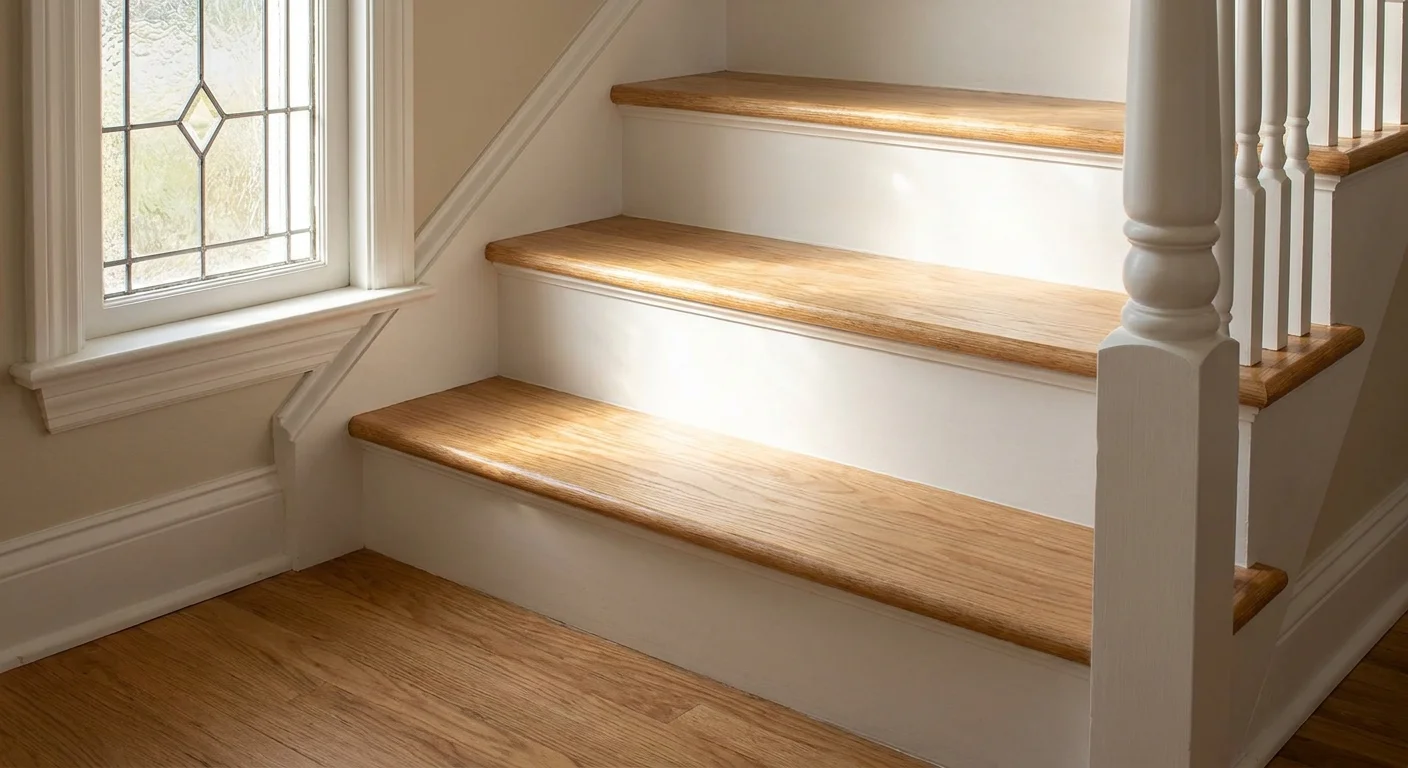
For homeowners in New Jersey considering a significant upgrade to their living space, replacing stair carpet with hardwood floors is a popular renovation in 2026. This transformation enhances aesthetics, durability, and property value, offering a sophisticated look that complements a variety of home styles across Monmouth County. At IAC Home Improvement, we understand that converting carpeted stairs to hardwood is a detailed project, and knowing what to expect ensures a smooth and satisfying experience from start to finish.
What Lies Beneath? Uncovering Your Staircase's Potential in New Jersey
Before any new hardwood can be installed, it's essential to understand what structural elements exist beneath your current stair carpet. This initial assessment helps determine the most suitable and cost-effective conversion method for your home in areas like Long Branch or Red Bank.
What's typically under stair carpet?
Most carpeted staircases in New Jersey homes conceal either rough construction-grade wood treads and risers, or sometimes even particleboard. These underlying materials are typically not designed to be exposed as finished surfaces. They often have imperfections, gaps, or varying heights that require significant preparation or replacement to achieve a smooth, durable hardwood finish.
Can my existing stairs be refinished or repurposed?
In rare instances, if the carpet was installed over solid, good-quality hardwood treads and risers, these might be candidates for hardwood floor refinishing. However, this is uncommon for carpeted stairs, as builders typically use less expensive materials when they know they will be covered. A professional assessment from IAC Home Improvement will confirm if your existing stair structure is suitable for refinishing or if new materials are required. For a comprehensive overview of staircase and railing services, visit our Stairs & Railings service page.
Addressing the skirt boards and risers
When converting carpeted stairs to hardwood, attention must also be paid to the skirt boards (the trim running along the wall next to the stairs) and the risers (the vertical part between each tread). Carpet often hides these elements, and their condition can vary. Depending on the chosen method, risers might be replaced with new hardwood, painted, or covered with veneer, while skirt boards may need repair, painting, or new trim installation to match the new hardwood aesthetic seamlessly.
Choosing Your Hardwood Stair Conversion Method
Once the existing structure is assessed, you'll have several options for transforming your carpeted stairs into beautiful hardwood. Each method offers distinct advantages in terms of appearance, durability, and project scope.
Option 1: Solid Tread Replacement for a Brand New Look
This method involves completely removing the existing treads and risers and replacing them with solid hardwood pieces. Solid tread replacement offers the most robust and premium finish, providing the look and feel of a custom-built staircase. It allows for greater flexibility in wood species, stain colors, and tread profiles, making it ideal for homeowners in areas like Holmdel or Colts Neck seeking a high-end, long-lasting upgrade. While this is a more involved process, the result is a truly integrated and durable hardwood staircase.
Option 2: Hardwood Cap Treads for a Cost-Effective Upgrade
Hardwood cap treads, also known as stair overlays, are a popular choice for their balance of aesthetics and efficiency. This method involves installing pre-fabricated hardwood pieces directly over your existing, structurally sound sub-treads and risers. Cap treads are designed to fit snugly, creating the appearance of solid hardwood without the extensive demolition required for full replacement. This can be a more budget-friendly option, with general hardwood installation labor starting from about $4 per square foot for straight-lay, though stair projects are unique and quoted per staircase after a free on-site visit.
Option 3: Refinishing Existing Hardwood Treads (if applicable)
If your initial assessment reveals that you have good quality hardwood treads and risers hidden beneath the carpet, refinishing becomes an excellent option. This process involves sanding down the existing wood to remove old finishes and imperfections, then applying new stain and protective coats. Refinishing is the most environmentally friendly choice and can significantly reduce project time and cost. General hardwood floor refinishing typically ranges from $2-$4 per square foot, all-inclusive, with projects starting from around $1,600. Our expert team can help you decide if this is a viable path for your stairs. For a personalized plan and a free estimate for your stair conversion project, call us at (848) 234-0283 or text us a photo of your stairs today.
Preparing Your Monmouth County Home for Stair Renovation
A successful stair conversion project requires proper preparation to protect your home and ensure a smooth workflow for the installation team. From Freehold to Manalapan, homeowners can take a few steps to get ready.
Essential Pre-Work Checklist
- Clear the Area: Remove all personal items, décor, and furniture from the stairs and the surrounding landing areas, both upstairs and downstairs. This includes wall hangings near the staircase.
- Protect Adjacent Areas: Lay down drop cloths or plastic sheeting on adjacent flooring to protect against dust and debris. Consider covering doorways to minimize dust migration to other rooms.
- Secure Valuables: Move any valuable or fragile items away from the work zone to prevent accidental damage.
- Ensure Access: Make sure the work area is easily accessible for tools and materials. Clear a path from the entrance to the stairs.
- Communicate: Discuss any specific concerns or requirements with your project manager from IAC Home Improvement before work begins.
Understanding Noise, Dust, and Access
Converting stair carpet to hardwood is a construction project, and homeowners should expect a degree of noise, dust, and temporary disruption. There will be sounds from demolition, cutting wood, and power tools. While our team uses dust containment strategies, some dust is inevitable, so protecting electronics and sensitive items is advisable. Stair access will be limited or completely restricted during certain phases of the project, typically for 2-5 days depending on the method and finish chosen.
Pet and Child Safety During Construction
During a stair renovation, the work area can pose hazards for pets and young children. It's highly recommended to keep pets confined to a safe, separate area of the home away from the construction zone. Similarly, ensure children understand the importance of staying clear of the stairs and any tools or materials. Planning alternative routes or temporary accommodations may be necessary to ensure everyone's safety.
The Step-by-Step Process of Replacing Stair Carpet with Hardwood
While every stair conversion project is unique, the general process follows a structured approach to ensure quality and efficiency. IAC Home Improvement, a full-service home improvement company, manages every phase from start to finish, whether it's flooring, kitchen and bathroom remodeling, painting, carpentry, basements, decks, masonry, concrete, or pavers, providing one trusted contractor for your entire home.
Phase 1: Demolition and Preparation
The project begins with the careful removal of the existing stair carpet, padding, and any tack strips or staples. This is followed by a thorough inspection of the sub-treads and stringers to ensure structural integrity. Any necessary repairs or leveling of the subfloor will be completed at this stage to provide a stable foundation for the new hardwood. This phase typically includes demolition and initial clean-up.
Phase 2: Installation of New Treads and Risers
Once the preparation is complete, the installation of the new hardwood elements begins. This involves precisely cutting and fitting the new treads, risers, and any necessary trim pieces. Each piece is meticulously installed, ensuring a tight fit and secure attachment. For hardwood installation, precision is key to a beautiful and safe staircase. If existing hardwood is being refinished, this phase involves sanding the wood down to its raw state, then applying stain and multiple coats of protective finish.
Phase 3: Finishing and Curing
The final phase involves applying the chosen finish, whether it's a clear coat for natural wood or a specific stain followed by protective layers. This step is critical for durability and aesthetic appeal. After the finish is applied, there will be a specific drying and curing period during which the stairs should be used minimally or not at all. This allows the finish to harden properly, providing maximum protection against wear and tear. For detailed information on our hardwood floor refinishing services, visit our website.
Here's a typical timeline for a standard stair conversion:
| Phase | Description | Typical Duration |
|---|---|---|
| Day 1 | Carpet removal, sub-stair inspection, minor repairs. | 1 day |
| Day 2-3 | Installation of new treads, risers, and trim. | 1-2 days |
| Day 4-5 | Sanding (if applicable), staining, and first coats of finish. | 1-2 days |
| Day 6-7+ | Final finish coats, drying, and initial curing period. | 2-5+ days |
How Long Will My Stairs Be Out of Use?
One of the most common questions homeowners in towns like Asbury Park or Eatontown have is about the accessibility of their stairs during renovation. The duration your stairs are out of commission depends on the chosen method and the type of finish applied.
Typical Project Timelines
Most hardwood stair conversion projects, from carpet removal to the final coat of finish, typically take between 5 to 10 days. This timeframe includes the crucial drying and curing periods. Full solid tread replacement tends to be on the longer end due to more extensive carpentry, while cap tread installation can sometimes be quicker. Refinishing existing hardwood, if possible, also requires several days for sanding and multiple finish coats, each needing adequate drying time.
Navigating Your Home During the Renovation
During the active installation and finishing phases, your stairs will be largely inaccessible. This means planning alternative routes or making temporary arrangements if your home has only one staircase. For instance, you might need to move essential items to the accessible floor, or if possible, arrange to stay elsewhere for a portion of the project. Your IAC Home Improvement project manager will provide a detailed schedule and advise on specific access limitations, helping you prepare for minimal disruption.
Enhancing Your Staircase: Railings, Balusters, and Beyond
While converting to hardwood treads, many homeowners seize the opportunity to upgrade other elements of their staircase, creating a cohesive and stunning focal point for their home.
Should I update my railings and balusters?
Absolutely. Updating your railings and balusters simultaneously with your stair treads can dramatically elevate the entire staircase's appearance. Old or dated railings can detract from the beauty of new hardwood. Options range from modern metal balusters to classic turned wood balusters, and newel posts can be redesigned for a contemporary or traditional feel. This integrated approach ensures a harmonious design and can significantly increase your home's aesthetic appeal and value. Explore more ideas on our Custom Staircase and Railing Ideas blog post.
Considering a full-service approach for a cohesive design
IAC Home Improvement specializes in full-service home renovations. When you replace your stair carpet with hardwood, you might also consider updating the surrounding areas, such as painting the adjacent walls, installing new baseboards, or even extending hardwood flooring into hallways. Our team can coordinate all these elements, ensuring a consistent design aesthetic and a seamless project flow. This means you work with one trusted contractor for the entire transformation, from the initial consultation to the final walkthrough in your New Jersey home.
After the Dust Settles: Care and Maintenance
Once your new hardwood stairs are installed and the finish has cured, proper care and maintenance are essential to preserve their beauty and longevity for years to come.
Initial Curing and First Weeks
While the finish may feel dry to the touch within 24-48 hours, it typically takes 7-10 days for most hardwood finishes to achieve about 90% cure. During this initial period, it's crucial to treat your new stairs gently. Avoid heavy foot traffic, dragging furniture, or placing rugs on the stairs. Allow the finish to fully harden to ensure maximum durability and resistance to scratches and scuffs. Good ventilation can aid in the curing process.
Long-Term Hardwood Stair Care
For long-term care, regularly sweep or vacuum your hardwood stairs to remove grit and dust, which can act as abrasives. Use only manufacturer-recommended hardwood floor cleaners and avoid harsh chemicals or excessive moisture. Place doormats at entryways to minimize dirt tracking. For added protection, consider stair runners after the full cure period, especially in high-traffic areas or homes with pets. With proper care, your new hardwood stairs will remain a stunning feature of your Monmouth County home for decades.
Frequently Asked Questions
What types of hardwood are best for stairs in New Jersey homes?
For stairs, durable hardwoods like oak, maple, and hickory are excellent choices due to their hardness and resistance to wear. Red oak and white oak are particularly popular in New Jersey for their timeless appeal and ability to take various stains. The best type often depends on your home's existing flooring, desired aesthetic, and budget, balancing durability with visual consistency.
Do I need to get a permit to replace stair carpet with hardwood?
In most cases, replacing stair carpet with hardwood treads is considered a cosmetic upgrade and typically does not require a building permit in New Jersey. However, if the project involves significant structural changes to the staircase, such as altering the rise or run, or moving its location, then a permit may be necessary. IAC Home Improvement can advise you on any potential permit requirements for your specific project.
Can I replace stair carpet with hardwood myself, or should I hire a professional?
While DIY videos may make it seem simple, replacing stair carpet with hardwood is a complex project requiring specialized tools, precise measurements, and significant carpentry skills. Achieving a professional, safe, and durable result is challenging for homeowners. Hiring an experienced professional like IAC Home Improvement ensures proper installation, adherence to safety standards, and a flawless finish that will last.
How do I choose the right stain color for my new hardwood stairs?
Choosing the right stain color involves considering your home's existing color palette, the amount of natural light, and the adjacent flooring. Darker stains can create a dramatic, elegant look but may show dust more readily. Lighter stains offer a more open, contemporary feel. We recommend looking at samples in your home's lighting and coordinating with any existing hardwood floors to ensure a cohesive flow.
Authoritative resource: National Wood Flooring Association.