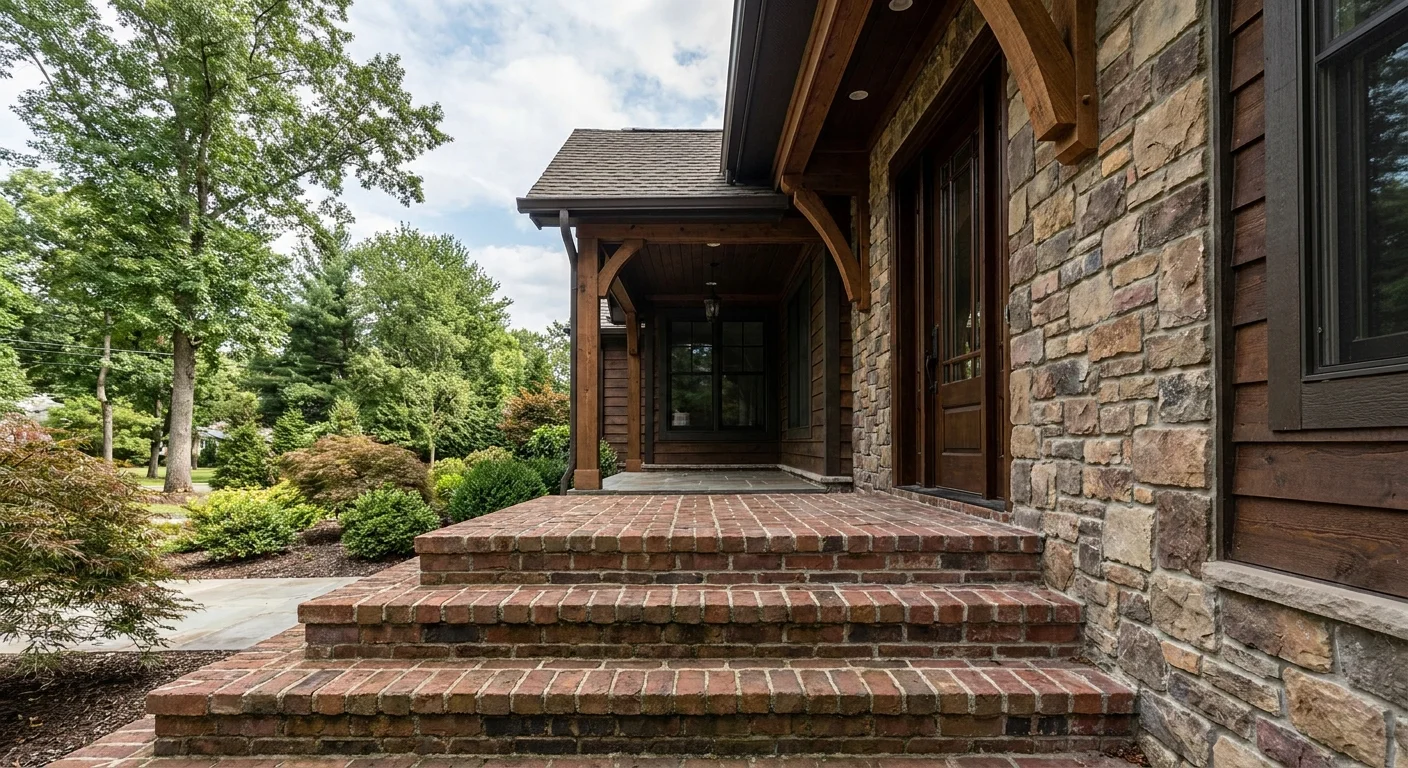
Brick and stone masonry offers unparalleled durability, aesthetic appeal, and increased property value for homes across New Jersey, New York, and Pennsylvania. From robust foundations and elegant chimneys to inviting walkways and captivating outdoor living spaces, expert masonry work provides long-lasting structural integrity and timeless beauty. Choosing a skilled contractor ensures your investment withstands the Northeast's diverse climate and enhances your home's curb appeal for decades.
Introduction to Masonry for NJ Homes
The Enduring Appeal of Brick and Stone
For centuries, brick and natural stone have been the cornerstone of resilient and beautiful architecture, and their appeal remains undiminished in modern home construction and renovation. Homeowners in Colts Neck, Long Branch, and throughout Monmouth County often seek masonry solutions for their inherent strength, minimal maintenance, and classic aesthetic that complements virtually any architectural style, from traditional Colonial to contemporary designs. Unlike many other building materials, brick and stone often improve with age, developing a unique patina that adds character and depth to a property.
Benefits of Expert Masonry in the Northeast Climate
New Jersey's climate, characterized by freezing winters, humid summers, and significant temperature fluctuations, demands building materials that can withstand extreme conditions. Expertly installed brick and stone masonry excel in this environment, offering exceptional resistance to moisture, pests, and fire. Their thermal mass properties can also contribute to better energy efficiency by moderating indoor temperatures. A properly constructed brick wall, for instance, can last 75 to 100 years or more with minimal upkeep, providing superior longevity compared to many alternative siding options. This makes masonry a wise long-term investment for any home in the Tri-State area.
IAC Home Improvement: Your Trusted Masonry Partner
At IAC Home Improvement, we understand the unique challenges and opportunities presented by New Jersey's homes and climate. As a full-service home improvement and construction company, we bring unparalleled expertise to every masonry project, whether it's a small repair or a complete outdoor living transformation. Our team is dedicated to delivering superior craftsmanship, using high-quality materials, and ensuring every detail meets our rigorous standards. We pride ourselves on being the one trusted contractor our clients turn to for anything their home needs, from flooring and kitchen & bathroom remodeling to interior/exterior painting, carpentry, decks, and, of course, expert masonry and concrete work.
Common Masonry Projects for New Jersey Residences
Curb Appeal with Masonry Steps and Walkways
First impressions matter, and well-designed masonry steps and walkways significantly enhance a home's curb appeal and functionality. For homes in Holmdel or Freehold, elegant brick pavers or natural stone steps create welcoming entrances that are both durable and visually striking. We meticulously plan for proper drainage, slip resistance, and aesthetic integration with your home's existing architecture. From intricate herringbone patterns with brick to grand bluestone slab steps, our masonry work ensures a safe, beautiful, and lasting pathway to your front door.
Foundation and Chimney Repair & Construction
The structural integrity of your home often relies on sound masonry. Foundations, particularly in older homes along the Jersey Shore, can experience wear, requiring expert repair to prevent further damage. Our services include foundation crack repair, parging, and waterproofing to protect your home from moisture intrusion. Similarly, chimneys are critical elements that endure constant exposure to the elements and high temperatures. We specialize in chimney repair, rebuilding, and tuckpointing (repointing) to ensure safe operation and structural stability, preventing issues like spalling bricks or deteriorating mortar joints. A typical chimney repointing project might be needed every 25-30 years, depending on exposure.
Elegant Stone Veneer for Exteriors and Fireplaces
Stone veneer offers a versatile and cost-effective way to achieve the look of natural stone without the structural demands or higher material cost. For homeowners seeking a dramatic aesthetic upgrade, stone veneer can transform an entire exterior facade or create a stunning accent wall. Inside, a stone veneer fireplace surround can become the focal point of any living room, adding warmth and sophistication. Whether you prefer the rustic charm of fieldstone or the refined elegance of ledgestone, our team ensures precise installation, achieving an authentic and durable finish that enhances your home's interior or exterior appeal.
Outdoor Living: Patios, Outdoor Kitchens, and Fire Pits
Extend your living space outdoors with custom masonry projects designed for relaxation and entertainment. Patios constructed from pavers or natural stone provide a durable and attractive foundation for outdoor gatherings. We design and build bespoke outdoor kitchens, complete with stone counters, built-in grills, and storage, creating the ultimate culinary experience for your backyard in Asbury Park or Red Bank. Custom fire pits and outdoor fireplaces, crafted from brick or stone, add warmth and ambiance, making your outdoor area enjoyable year-round. These investments not only elevate your lifestyle but also significantly boost your property value.
Choosing Your Material: Brick, Natural Stone, and Manufactured Stone
Classic Brick: Durability and Timeless Aesthetics
Brick is a time-honored choice, celebrated for its robust durability, low maintenance, and classic appeal. Available in a wide array of colors, textures, and sizes, brick offers incredible design versatility, from traditional red clay bricks to modern grey or sand-colored options. Its high compressive strength makes it ideal for load-bearing structures, while its inherent fire resistance provides an added layer of safety. The modular nature of brick also allows for intricate patterns and detailing, making it a favorite for facades, garden walls, and walkways. With proper installation and periodic maintenance like repointing, a brick structure can easily last over a century.
Natural Stone: Unique Beauty and Unmatched Longevity
Natural stone, such as granite, bluestone, limestone, and fieldstone, offers unparalleled beauty and uniqueness. Each piece of natural stone boasts distinct variations in color, veining, and texture, ensuring that no two projects are exactly alike. Its incredible density and resistance to weathering make it an exceptionally long-lasting material, often enduring for hundreds of years. While typically a higher upfront investment, the timeless elegance and minimal long-term maintenance of natural stone make it a premium choice for high-end applications like grand entrances, retaining walls, elaborate patios, and custom outdoor features. Its organic aesthetic blends seamlessly with natural landscapes, particularly in more rural settings like Colts Neck.
Manufactured Stone Veneer: Versatility and Cost-Effectiveness
Manufactured stone veneer (also known as cultured stone) provides the aesthetic appeal of natural stone at a more accessible price point and with lighter weight. Made from concrete, aggregates, and pigments, it replicates the look and feel of various natural stones. This material is an excellent choice for applications where structural support for heavy natural stone is not feasible or desired, such as interior accent walls or fireplace surrounds. Manufactured stone veneer typically weighs about 10-15 pounds per square foot, significantly less than natural stone, which can range from 30-50 pounds per square foot. While it may not offer the exact same longevity as natural stone, high-quality manufactured veneer can still provide decades of beauty and performance when properly installed and maintained.
Maintaining and Repairing Existing Masonry
Understanding Masonry Deterioration: What to Look For
Regular inspection of your home's masonry is crucial for identifying early signs of deterioration before they become major issues. Common indicators include:
- Cracks: Hairline cracks can be normal, but larger, stair-step cracks in mortar joints or through bricks/stones signal structural movement or foundation issues.
- Efflorescence: White, powdery deposits on the surface, indicating soluble salts being carried to the surface by moisture and left behind as water evaporates.
- Spalling: The flaking, peeling, or crumbling of brick or stone surfaces, often caused by freeze-thaw cycles trapping moisture within the material.
- Mortar Deterioration: Crumbling, sandy, or missing mortar joints, which allow water intrusion and compromise structural integrity.
The Importance of Repointing (Tuckpointing)
Repointing, also known as tuckpointing, is the process of removing deteriorated mortar from the joints of a brick or stone wall and replacing it with fresh mortar. This crucial maintenance task revitalizes the structural integrity of the wall, prevents water infiltration, and restores its aesthetic appeal. The process involves carefully grinding out old mortar to a consistent depth, then filling the joints with new mortar that matches the original in color, texture, and most importantly, compressive strength. Using mortar that is too hard can cause the softer, older bricks or stones to crack. A well-executed repointing job can extend the life of your masonry by another 50 years, making it a highly cost-effective preservation method.
Crack Repair and Sealing Techniques
Beyond repointing, various techniques are employed for masonry crack repair and sealing. Minor cracks in brick or stone can often be filled with specialized epoxy or sealant compounds designed for masonry. For larger structural cracks, particularly in foundations, more intensive methods like helical crack stitching or carbon fiber reinforcement may be necessary to stabilize the structure. Proper sealing, especially around windows, doors, and rooflines, is vital to prevent water penetration into the masonry system. IAC Home Improvement employs skilled masons who can accurately diagnose the cause of cracks and implement the most effective and lasting repair solutions for your property.
The Investment: Masonry Costs and Value in the Tri-State Area
Factors Influencing Masonry Project Costs in Colts Neck
The cost of a masonry project in Colts Neck, or anywhere in NJ, NY, or PA, can vary widely depending on several key factors. These include:
- Material Choice: Natural stone is typically the most expensive, followed by brick, and then manufactured stone veneer. The specific type (e.g., custom-cut bluestone vs. standard pavers) also impacts cost.
- Project Scope and Complexity: A simple walkway costs less than a multi-tiered patio with an outdoor kitchen. Intricate designs, curves, or difficult access increase labor time and material waste.
- Labor Costs: Highly skilled masons command competitive rates, ensuring quality and longevity. Geographic location within the Tri-State area also influences labor costs.
- Site Preparation: Extensive excavation, grading, or demolition of existing structures adds to the overall expense.
- Structural Requirements: Projects involving load-bearing walls, foundations, or complex structural elements require more engineering and specialized labor.
Understanding Project Timelines and ROI
Masonry projects often require precision and time. A typical small-to-medium sized patio installation might take 1-2 weeks, while a comprehensive exterior stone veneer project could span 3-6 weeks, depending on complexity and weather. While the upfront investment can be significant, the return on investment (ROI) for quality masonry is substantial. Masonry enhancements significantly boost curb appeal, increase property value, and offer exceptional durability that minimizes future maintenance costs. Many homeowners find that well-executed masonry work provides an excellent resale advantage, often recouping a high percentage of the initial investment, especially in competitive markets like Monmouth County.
Financing Your Masonry Project
Recognizing that masonry projects represent a significant investment, IAC Home Improvement offers flexible financing solutions to make your dream project a reality. We partner with reputable financial institutions to provide competitive rates and payment plans that fit your budget. We believe that improving your home should be accessible, and our team is ready to discuss your options. Beyond masonry, remember we also offer financing for projects like a kitchen remodel, which can range from $17,000 to $45,000, or a bathroom renovation from $9,000 to $25,000, ensuring we can assist with all your home improvement needs.
Why Choose a Full-Service Masonry Contractor Like IAC Home Improvement
Expertise Across All Masonry Disciplines
Choosing IAC Home Improvement means partnering with a team that possesses deep expertise across the entire spectrum of masonry disciplines. Our skilled craftsmen are proficient in traditional bricklaying, natural stone installation, manufactured stone veneer application, intricate repointing, and comprehensive repair work. We stay abreast of the latest techniques and materials, ensuring that every project, from a foundational repair to a decorative garden wall, is executed with precision and built to last. Our commitment to ongoing training and adherence to industry best practices, such as ASTM standards for materials, guarantees the highest quality outcome for your home.
Seamless Project Management for Comprehensive Home Improvement
One of the greatest advantages of working with IAC Home Improvement is our full-service approach. We are not just masonry contractors; we are your complete home improvement solution. This means if your masonry project is part of a larger renovation – perhaps a new deck (which typically costs $10-$16 per square foot for materials and installation) that requires a stone base, or a landscape redesign that integrates new walkways – we can manage the entire scope. Our seamless project management eliminates the stress of coordinating multiple contractors, ensuring efficiency, consistency, and a cohesive vision for your property. From flooring (like vinyl plank at $3-$5 per square foot installed) to interior painting ($6-$11 per square foot depending on scope), we handle it all.
Our Commitment to Quality and Customer Satisfaction
At IAC Home Improvement, our reputation is built on a steadfast commitment to quality craftsmanship and unparalleled customer satisfaction. We are proud to hold NJ License #13VH13143000 and PA License #PA188007, reflecting our adherence to stringent professional standards. Our dedication to excellence is echoed in our 5.0 rating with over 100 Google reviews, a testament to the trust and satisfaction of our clients across NJ, NY, and PA. We believe in clear communication, transparent pricing, and delivering results that not only meet but exceed your expectations. For a consultation on your next masonry project or any home improvement need, please don't hesitate to contact us at (848) 234-0283 or email us at contact@iachomeimprovement.com.
Frequently Asked Questions
How long does masonry work typically last in New Jersey?
With expert installation and proper maintenance, brick masonry can last 75-100+ years, and natural stone masonry often endures for hundreds of years. Factors like material quality, exposure to elements, and timely repairs (like repointing every 25-30 years) significantly influence longevity.
Is manufactured stone as durable as natural stone?
While high-quality manufactured stone veneer is durable and can last for decades, it generally does not match the extreme longevity or inherent strength of natural stone, which can withstand centuries of weathering. However, for many applications, it offers excellent performance and aesthetic appeal.
What is repointing, and when is it necessary?
Repointing (or tuckpointing) is the process of removing deteriorated mortar from masonry joints and replacing it with new mortar. It's necessary when mortar joints show signs of crumbling, cracking, or erosion, typically every 25-30 years, to prevent water intrusion and maintain structural integrity.
Can IAC Home Improvement handle both interior and exterior masonry?
Yes, IAC Home Improvement specializes in both interior and exterior masonry projects. From exterior facades, foundations, and outdoor living spaces to interior stone veneer fireplaces and accent walls, our skilled masons are equipped to handle a wide range of residential masonry needs.
Authoritative resource: American Concrete Institute.