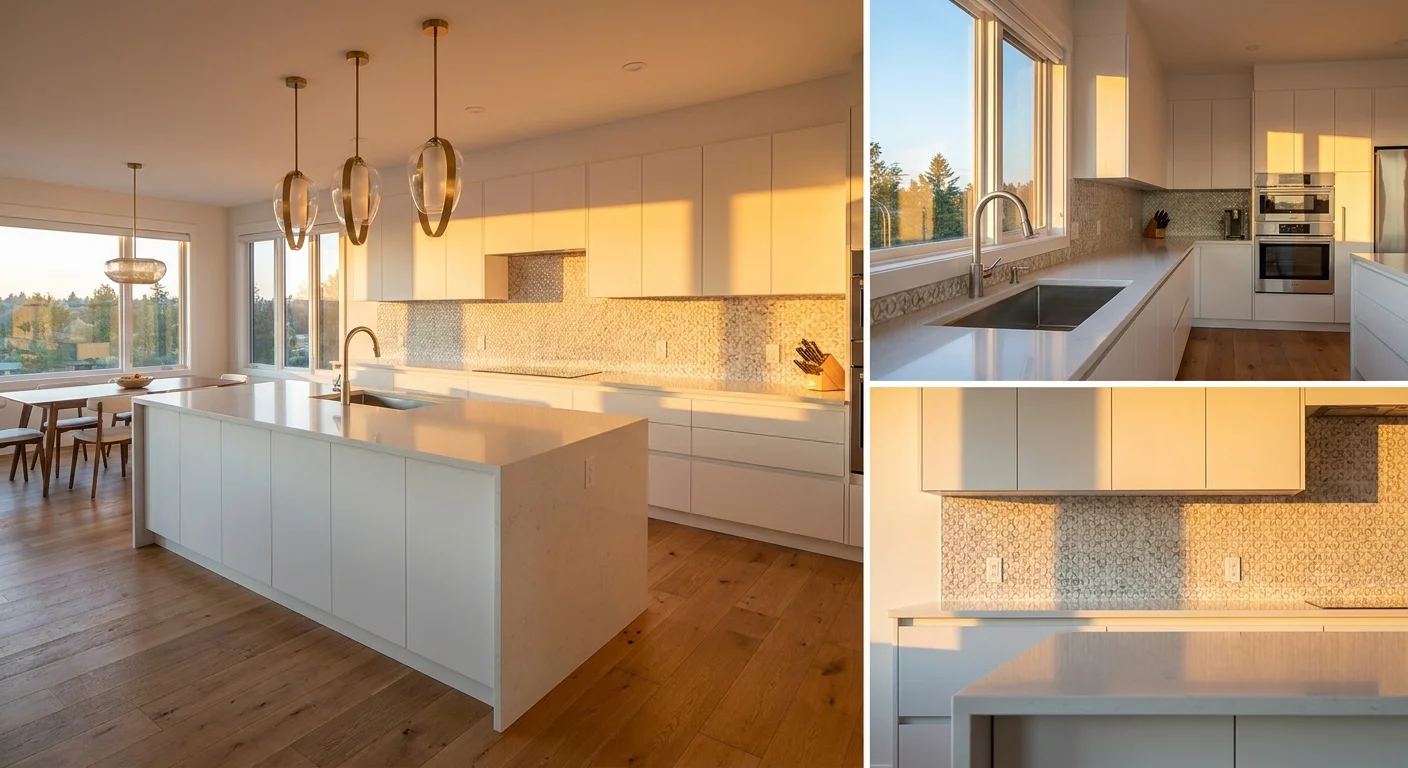
Transforming your kitchen is one of the most impactful home improvement projects you can undertake, significantly enhancing both your living experience and your property's value. A well-designed kitchen remodel addresses functional challenges, updates aesthetics, and incorporates modern efficiencies, making it a central hub for family life and entertaining. For homeowners across New Jersey, New York, and Pennsylvania, understanding the latest trends and practical considerations is key to a successful renovation.
Why Remodel Your Kitchen? Enhancing Home Value and Lifestyle
A kitchen is often called the heart of the home, a place where meals are prepared, families gather, and memories are made. Over time, kitchens can become outdated, inefficient, or simply no longer suit your evolving lifestyle. A thoughtful remodel can breathe new life into your home, offering a significant return on investment and daily enjoyment.
Benefits of a Modern Kitchen
Investing in a kitchen remodel offers a multitude of benefits, from boosting property value to improving daily functionality. A modern kitchen often features energy-efficient appliances, optimized storage solutions, and durable, easy-to-maintain materials. For homes in Monmouth County, NJ, or even across the Delaware River in Bucks County, PA, a contemporary kitchen can increase resale value by an average of 5-8%, making it a smart financial decision.
Addressing Common Kitchen Frustrations
Many homeowners initiate a remodel to resolve long-standing issues such as inadequate counter space, poor lighting, outdated appliances, or a cramped layout. Perhaps your kitchen in Long Branch feels too small for your growing family, or your cabinetry in Freehold is showing significant wear. A remodel provides the opportunity to customize the space to your exact needs, from adding a larger island for meal prep and entertaining to integrating smart home technology for enhanced convenience.
Exploring Top Kitchen Remodeling Trends for 2026
Staying abreast of current and emerging trends ensures your new kitchen remains stylish and functional for years to come. The design landscape is constantly evolving, with a strong emphasis on sustainability, technology integration, and personalized aesthetics.
Sustainable and Smart Kitchens
The demand for eco-friendly and technologically advanced kitchens continues to grow. Homeowners are increasingly opting for energy-efficient appliances with Energy Star ratings, LED lighting, and sustainable materials like recycled glass countertops or reclaimed wood accents. Smart kitchen technology, such as Wi-Fi enabled ovens, smart refrigerators, and voice-activated faucets, is becoming more prevalent, offering convenience and efficiency. These innovations not only reduce your carbon footprint but can also lead to noticeable savings on utility bills over time, a benefit appreciated by homeowners in both suburban Holmdel, NJ, and urban Philadelphia, PA.
Color Palettes and Material Choices
In 2026, we anticipate a continued blend of classic and contemporary styles. Earthy tones, muted greens, and deep blues are gaining popularity for cabinetry and accent walls, often paired with timeless whites or grays. Natural materials like quartz, granite, and marble remain top choices for countertops due to their durability and aesthetic appeal. For backsplashes, artisanal tiles, geometric patterns, and even slab materials are trending, providing a cohesive and sophisticated look. For flooring, options like porcelain and ceramic tile, known for their PEI ratings indicating wear resistance, are popular choices, alongside durable engineered hardwood and luxury vinyl plank (LVP).
Integrated Appliances and Storage Solutions
Seamless design is a hallmark of modern kitchens. Integrated appliances, hidden behind custom cabinet panels, create a sleek, uncluttered appearance. Custom pantry solutions, pull-out drawers, corner carousels, and deep shelving maximize storage efficiency, making every inch count. This approach is particularly beneficial for smaller kitchens in areas like Asbury Park, where optimizing space is crucial. Walk-in pantries with built-in shelving systems are also highly sought after for larger homes in Colts Neck, offering ample storage for provisions and small appliances.
Designing Your Dream Kitchen: Layouts and Functionality
The layout of your kitchen is paramount to its functionality and flow. Careful planning ensures that the space works efficiently for cooking, dining, and entertaining, tailored to your household's specific needs.
Popular Kitchen Layout Options for PA Homes
Choosing the right layout depends on your home's architecture, available space, and personal preferences. Common layouts include:
- L-Shape: Ideal for open-concept homes, offering generous counter space and flexibility for a central island.
- U-Shape: Provides maximum counter and storage space, perfect for serious cooks, but can feel enclosed without an open wall.
- Galley: Efficient for smaller spaces, with two parallel walls of cabinetry and appliances. It minimizes walking distance between workstations.
- Island Kitchen: Incorporates an island into any layout, adding extra prep space, seating, and storage. Islands can vary greatly in size and function, from a small prep area to a large multi-purpose hub.
For homes in Pennsylvania, especially older properties, adapting a layout to existing structural elements can be a key consideration. Our design team at IAC Home Improvement specializes in creating functional layouts that respect your home's unique character while incorporating modern efficiencies.
Optimizing Workflow and Ergonomics
A well-designed kitchen adheres to the "work triangle" concept, which efficiently connects the refrigerator, sink, and stove. Beyond the triangle, consider ergonomic principles: easily accessible drawers, appropriate counter heights, and adequate lighting over task areas. For instance, ensuring your microwave is at an accessible height, or that frequently used items are stored within easy reach, can significantly improve daily convenience. A custom kitchen remodel allows you to fine-tune every detail for optimal comfort and efficiency.
Cabinetry and Countertop Considerations
Cabinets and countertops are critical elements that define the kitchen's aesthetic and functionality. When selecting cabinetry, consider materials like solid wood (maple, cherry, oak), MDF, or plywood, and finishes ranging from painted to stained. For countertops, quartz offers excellent durability and low maintenance, while granite provides unique natural patterns. Butcher block adds warmth, but requires more maintenance. The choice impacts both the visual appeal and the long-term performance of your kitchen. For a full-service remodel, we guide clients through these selections, ensuring they align with both style preferences and practical needs.
Choosing Durable and Stylish Kitchen Flooring
Kitchen flooring must withstand heavy foot traffic, spills, and potential impacts, making durability and ease of maintenance crucial. However, aesthetics are equally important to complement your overall design.
Hardwood and Engineered Wood Options
Hardwood flooring, with its timeless appeal, remains a popular choice for kitchens. Species like oak and maple, known for their Janka hardness ratings, offer excellent durability. Solid hardwood can be refinished multiple times, extending its lifespan significantly; hardwood refinishing costs average $2-$4 per square foot in NJ, all-inclusive (sanding, stain, finish and labor), with refinishing projects starting at $1,600. Engineered hardwood, with its layered construction, offers greater stability against moisture fluctuations, making it a good option for kitchens, especially in areas with varying humidity. Installing new hardwood starts at about $4 per square foot in labor for straight-lay solid or engineered planks (herringbone and chevron patterns from $12 per square foot), with the wood itself chosen separately and projects starting at $1,300.
Tile and Luxury Vinyl Plank (LVP) Flooring
- Tile: Ceramic and porcelain tiles are exceptionally durable, water-resistant, and available in a vast array of colors, patterns, and sizes. Porcelain tile is denser and less porous, making it an excellent choice for high-traffic kitchen areas. Look for tiles with a PEI rating of 3 or higher for residential kitchens. A tile floor typically starts at about $13 per square foot installed, with standard porcelain or ceramic tile included for a straight lay; large-format tile, natural stone and patterns are quoted per project, and tile projects start at $1,500.
- Luxury Vinyl Plank (LVP): LVP is celebrated for its remarkable resemblance to natural wood or stone, coupled with superior water resistance and durability. Its multi-layered construction, often featuring a robust wear layer of 20 mil or more, ensures longevity, often backed by warranties of 15-25 years. LVP is softer underfoot than tile and can be more forgiving with dropped items. Installed LVP runs about $8 per square foot with the plank, installation and shoe molding included; if you already have your flooring, installation alone starts at $4 per square foot. LVP projects start at $1,300.
Understanding Kitchen Remodeling Costs and Timelines
One of the most common questions homeowners have is about the investment required and how long the project will take. Transparency in these areas is crucial for planning.
Average Kitchen Remodel Cost Breakdown in NJ/PA
The cost of a kitchen remodel can vary widely based on size, scope, material selections, and labor. In New Jersey and Pennsylvania, a mid-range kitchen remodel typically ranges from $17,000 to $45,000. This includes new cabinetry, countertops, flooring, fixtures, and basic appliance upgrades. High-end or custom remodels, involving structural changes or premium materials, can exceed this range. For comparison, a bathroom remodel usually falls between $9,000 and $25,000. Understanding these ranges helps homeowners budget effectively for their projects.
Here’s a general breakdown of common costs:
| Service | Typical Cost (per sq ft or total) |
|---|---|
| Hardwood Refinishing | $2–$4 / sq ft, all-inclusive (projects from $1,600) |
| Hardwood Installation | From $4 / sq ft labor, straight lay (herringbone and chevron from $12 / sq ft); wood chosen separately (projects from $1,300) |
| Vinyl Flooring Installation | About $8 / sq ft all-inclusive (plank, installation and shoe molding); installation only from $4 / sq ft (projects from $1,300) |
| Tile Installation | From $13 / sq ft with standard porcelain or ceramic tile included (projects from $1,500) |
| Laminate Flooring Installation | From $4 / sq ft labor; laminate chosen separately (projects from $1,300) |
| Full Kitchen Remodel | $17,000-$45,000 |
Project Timelines: What to Expect
The duration of a kitchen remodel depends on its complexity. A typical mid-sized kitchen renovation, from demolition to final touches, can take anywhere from 6 to 12 weeks. This timeframe accounts for design finalization, material procurement (which can sometimes involve lead times of 4-8 weeks for custom cabinetry), demolition, rough-ins for plumbing and electrical, installation of cabinets, countertops, flooring, and appliances, and final painting and trim work. Larger projects with structural changes or custom elements will naturally take longer. We provide a detailed project schedule upfront, so you know exactly what to expect.
Financing Your Kitchen Renovation
Various financing options are available to help homeowners fund their kitchen remodels. These can include home equity lines of credit (HELOCs), home equity loans, personal loans, or contractor financing programs. Researching these options and understanding interest rates and repayment terms is a crucial step in the planning process. A well-planned budget ensures a smooth project without unexpected financial strain.
Partnering with the Right Remodeling Contractor
Choosing a reputable and experienced contractor is perhaps the most critical decision in a successful kitchen remodel. The right partner ensures quality craftsmanship, adherence to timelines, and a stress-free experience.
Why Local Expertise Matters for NJ, NY, PA Homeowners
A local contractor understands regional building codes, common architectural styles, and local supplier networks. For homeowners in the Jersey Shore area, Red Bank, or even across state lines in New York, working with a company like IAC Home Improvement, which is licensed in both NJ (License #13VH13143000) and PA (License #188007), offers peace of mind. Our team is familiar with the specific challenges and opportunities presented by homes in these diverse regions, ensuring your project meets all local regulations and aesthetic preferences.
The IAC Home Improvement Difference
At IAC Home Improvement, we pride ourselves on delivering exceptional results and unparalleled customer service. With a 5.0 rating based on over 100 Google reviews, our reputation speaks for itself. We believe in clear communication, transparent pricing, and meticulous attention to detail from the initial design consultation to the final walkthrough. Our goal is not just to remodel your kitchen but to create a space that you will love for years to come.
Our Full-Service Approach
Beyond kitchen remodeling, IAC Home Improvement is a full-service home improvement and construction company. We handle the client's ENTIRE project, meaning you won't need to juggle multiple contractors. Whether you need new flooring, a bathroom remodel, interior/exterior painting (interior painting costs average $6-$11 per square foot depending on complexity), custom carpentry, deck construction (a complete composite deck with Trex Enhance decking and Fiberon Regency railings starts at about $16,000 for 200 sq ft), masonry, concrete work, paver installation, or even landscaping, we have the expertise to manage it all. This comprehensive approach simplifies the renovation process, ensuring seamless coordination and consistent quality across every aspect of your home improvement needs. Contact us today at (848) 358-7694 or email us at contact@iachomeimprovement.com to discuss your vision.
Frequently Asked Questions About Kitchen Remodeling
How much does a kitchen remodel typically cost in New Jersey?
In New Jersey, a kitchen remodel generally costs between $17,000 and $45,000 for a mid-range project. This range can increase for larger kitchens, custom designs, or high-end materials and finishes.
What is the average duration of a kitchen remodeling project?
A standard kitchen remodel, from demolition to completion, typically takes 6 to 12 weeks. This timeframe can vary based on the project's complexity, material lead times, and whether structural changes are involved.
What are the most popular kitchen design trends right now?
Current popular kitchen design trends include sustainable and smart technology integration, earthy and muted color palettes, natural materials like quartz and granite, and integrated appliances for a seamless, minimalist look.
Should I move my kitchen appliances during a remodel?
Yes, it's generally recommended to temporarily move kitchen appliances during a remodel. This allows for full access to walls and floors for demolition, structural changes, and new installations, ensuring a smooth and efficient renovation process.
Authoritative resource: This Old House.