In 2026, New Jersey homeowners comparing painting contractors should verify home improvement contractor registration, insurance and the written scope before hiring. IAC Home Improvement’s New Jersey registration number is 13VH13143000. Use the questions below to compare estimates on the same terms and understand who will handle preparation, painting and touch-ups.
A low estimate is only useful if it covers the work your home needs. Whether you are refreshing a bedroom in Long Branch or planning a larger project in Red Bank, walk through the space with each contractor and document the answers.
How do I check a painting contractor’s credentials in New Jersey?
1. Are you registered as a New Jersey home improvement contractor?
Ask for the contractor’s business name and New Jersey Home Improvement Contractor registration number, then verify the information with the New Jersey Division of Consumer Affairs. Registration is an important check, but it is not proof that a painter has a separate trade license or that a particular job will be problem-free.
Compare the registered business name with the name on the proposal and contract. You can also learn about IAC Home Improvement, a Long Branch company in business since 2015.
2. What insurance do you carry?
Request a current certificate of general liability insurance and ask the insurer or agent to confirm coverage. Liability insurance is relevant if work damages your property, but the policy’s terms and exclusions determine what is covered.
Also ask about workers’ compensation coverage for the people on your job. Do not assume that a subcontractor is covered by the primary contractor’s policy. Get clarification before work begins.
3. Which work requires a qualified professional?
A homeowner can usually move small belongings, remove loose decorations and choose colors. Painting contractors can handle ordinary painting and surface preparation, while electrical, plumbing or other regulated trade work may require an appropriately licensed professional.
For homes built before 1978, ask how the contractor will determine whether lead-safe rules apply. If applicable, the EPA Renovation, Repair and Painting rule generally requires a certified firm and lead-safe work practices. Do not dry-sand suspected lead paint yourself.
What should a painting estimate include?
4. Is the scope clear enough to compare quotes?
A useful written estimate identifies the rooms and surfaces to be painted, preparation, products, coats and exclusions. Ask whether ceilings, baseboards, doors, closets and window trim are included rather than assuming they are part of a room price.
IAC’s interior painting service typically starts at $6 per square foot all-inclusive for walls only, from $8 for walls and trim, and from $11 for a full house with ceilings. Interior painting generally ranges from $6 to $12 per square foot all-inclusive. Other painting scopes are quoted per project after a free on-site visit.
5. What could change the project total?
Ask how hidden damage, additional repairs or a change in color or scope will be priced and approved. A contractor may not see water damage behind furniture or loose material until preparation starts.
Request a written change order with the revised work and total before authorizing extra work. IAC quotes provide one clear project total after a free on-site measurement, so compare the documented scope rather than expecting separate labor and material figures.
6. What payment terms and paperwork should I review?
Review the payment schedule, start conditions, responsibilities and cancellation terms in the written agreement before signing. Be cautious if someone demands full payment upfront, avoids a written contract or pressures you to decide immediately.
Keep a copy of the signed agreement, any change orders and receipts. If you do not understand a term, ask for clarification in writing rather than relying on a verbal explanation.
Ready to discuss your project? Call (848) 358-7694, text us a photo or request a free estimate.
What preparation should a painting contractor include?
7. How will you repair and prepare the surfaces?
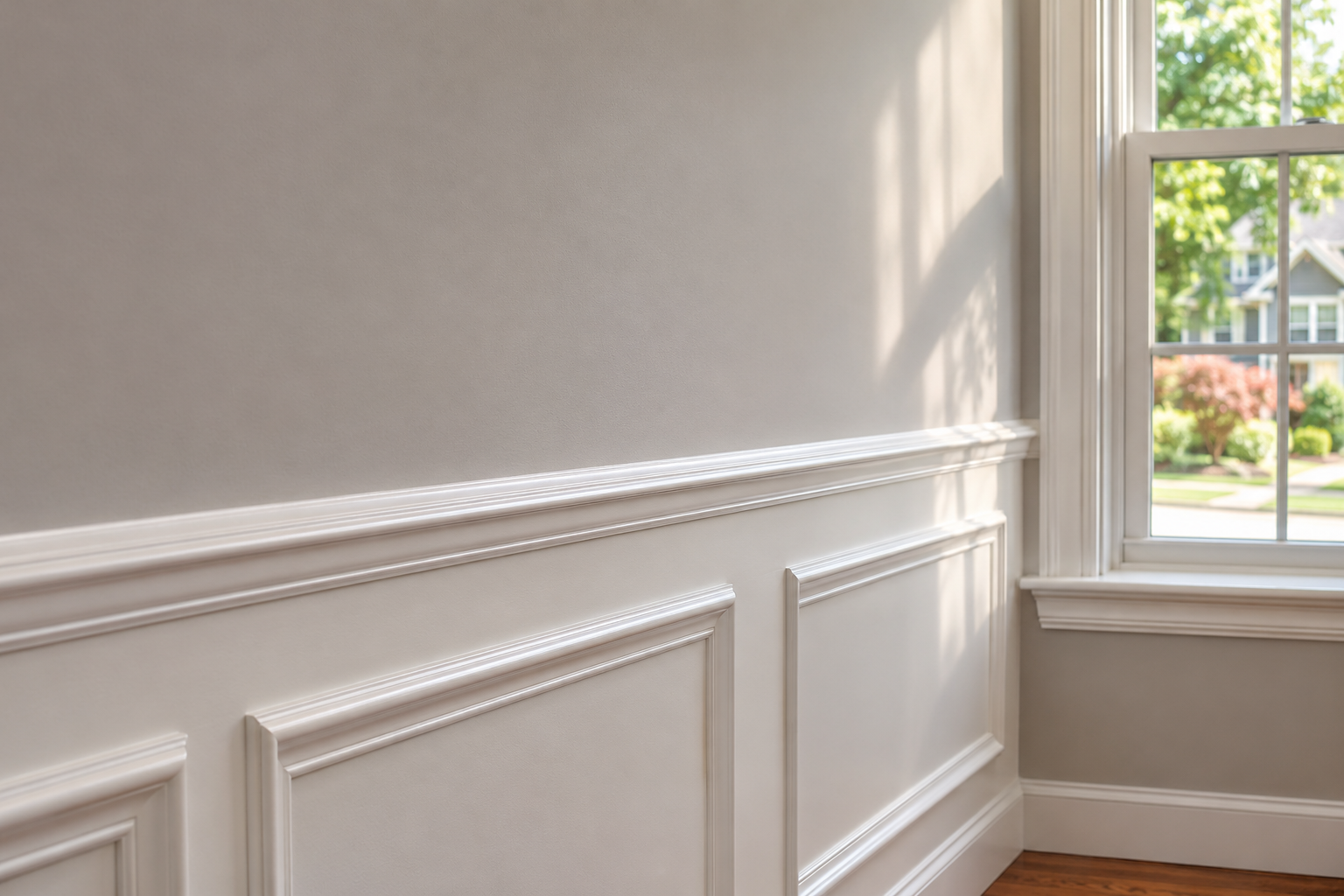
Ask which holes and cracks will be filled, where loose paint will be scraped, and whether repaired areas will be sanded and spot-primed. A good finish depends on a clean, sound surface, not just the final coat.
Discuss the difference between minor nail holes and larger drywall damage. If a stain suggests an active leak, address its source before painting. A stain-blocking primer can help with a dry, stable stain, but it cannot fix ongoing moisture.
8. How will you protect floors and belongings?
Confirm who moves furniture, removes wall plates and protects flooring before the crew starts. Ask about drop cloths, masking film, tape and dust control, especially around kitchen counters, built-ins and adjacent rooms.
Homeowners can typically clear fragile items and secure pets, while the contractor should explain the protection included in its scope. In an occupied Middletown home, also ask how access to frequently used rooms will be maintained.
9. What preparation details do homeowners often forget?
Small transitions and hidden surfaces can create disagreements if they are not discussed in advance. Walk the contractor through these often-missed items:
- Caulking gaps at trim and choosing paintable caulk where appropriate.
- Removing and replacing outlet covers, curtain hardware and door stops.
- Preparing glossy surfaces so the new coating can adhere.
- Identifying water stains, peeling paint and previous patch repairs.
- Deciding whether closets, radiator covers and door edges are included.
- Agreeing on cleanup, paint storage and disposal responsibilities.
Which paint and application methods should I ask about?
10. What paint line, sheen and primer will you use?
Request the manufacturer, product line, color and sheen for each surface in the proposal. Product quality and suitability matter more than a promise to use “premium paint” without a specific name.
Washable finishes are often useful in active kitchens and hallways, while a flatter sheen can make wall imperfections less noticeable. Ask whether the existing surface needs a bonding primer, stain-blocking primer or spot primer, and whether the coating’s manufacturer recommends it.
11. How many coats are included, and how will they be applied?
Ask for the number of finish coats in writing and whether primer is included where needed. Coverage varies with the existing color, surface condition and product, so discuss how the contractor will handle an area that still shows through.
Brushes, rollers and sprayers each have appropriate uses. Ask how edges will be cut in and how sprayed areas will be masked. For more planning ideas, review these interior painting tips.
12. When can we use the painted room?
Ask the painter to follow the selected product’s label for recoat, handling and cure times. Many water-based interior paints are typically ready for another coat in about 2 to 4 hours, but temperature, humidity and the product can change that interval.
Dry to the touch does not mean fully cured. Full cure typically takes about 2 to 4 weeks for many water-based coatings. Ask when furniture can return, when windows and doors can be closed, and how long to wait before washing walls.
How do I compare painters and choose the right one?
13. Who will do the work, and what is the schedule?
Ask who supervises the crew, whether subcontractors will work in your home and whom to contact with questions. Request a proposed sequence and a realistic working schedule, including preparation and cleanup.
Most projects vary with the number of rooms, repairs, weather and drying conditions. Do not treat an initial duration as a guarantee. Ask how the contractor will communicate delays and whether you need to be home during any part of the job.
14. How are the final walkthrough and touch-ups handled?
Agree on a walkthrough before the crew leaves and ask how missed spots or paint on adjacent surfaces will be addressed. Check the finish in daylight and under normal room lighting, including around trim and switches.
Ask whether leftover labeled paint will be available for future touch-ups and how to contact the contractor about a concern. Review any written warranty terms carefully, including exclusions and the process for making a claim.
15. What is the best checklist for comparing estimates?
Use the same checklist for every bidder and resolve missing details before choosing. The following sequence keeps the decision focused on scope, protection and accountability rather than price alone.
- Verify registration, insurance and any required lead-safe qualifications.
- Walk through each room and mark the surfaces and repairs to include.
- Compare products, preparation, coats, protection and exclusions.
- Review payment terms, change orders, scheduling and touch-up procedures.
- Check recent reviews and references, then keep the signed paperwork.
| Task | When | Why it matters |
|---|---|---|
| Verify credentials | Before signing | Checks registration and coverage |
| Confirm scope | At the visit | Makes quotes comparable |
| Approve changes | Before extra work | Clarifies the total |
| Inspect finish | At walkthrough | Identifies missed areas |
Watch for vague product descriptions, missing insurance information, pressure to sign or a quote that omits obvious preparation. A much lower price may be legitimate, but ask what is different before assuming it is the better value.
If painting is one part of a larger renovation, IAC is a full-service home improvement company handling flooring, kitchen and bathroom remodeling, painting, carpentry, basements, decks, masonry, concrete and pavers. That gives homeowners one contractor to discuss the whole project with, whether the property is in Asbury Park or Freehold.
Frequently Asked Questions
Do painters need a license in New Jersey?
New Jersey generally requires businesses performing covered home improvements to register as home improvement contractors. Ask for the registration number and verify the business through the New Jersey Division of Consumer Affairs. Registration is distinct from a trade license. If the project includes regulated electrical or plumbing work, ask who holds the appropriate license for that work.
Should I get multiple estimates for a painting job?
Getting multiple estimates can help you compare scope and understand differences in preparation, products and scheduling. Give each contractor the same room list and point out the same repairs. Compare what is included, not just the total, and ask about exclusions and changes before deciding which proposal fits your needs.
How many coats of paint should a professional painter apply?
Ask the contractor to specify the number of finish coats and any required primer in the written scope. Two finish coats are common, but the existing color, surface condition and selected product affect coverage. If the old color remains visible, discuss how additional work will be approved rather than assuming it is included.
Should I hire a painter or paint my house myself?
DIY painting can be practical for a small, accessible room if you are comfortable protecting surfaces and preparing walls. A contractor is useful for extensive repairs, difficult access or a larger occupied home. For pre-1978 properties, check lead-safe requirements before disturbing paint. IAC has a 5.0 Google rating with more than 100 reviews.
Authoritative resource: US EPA - Indoor Air Quality.