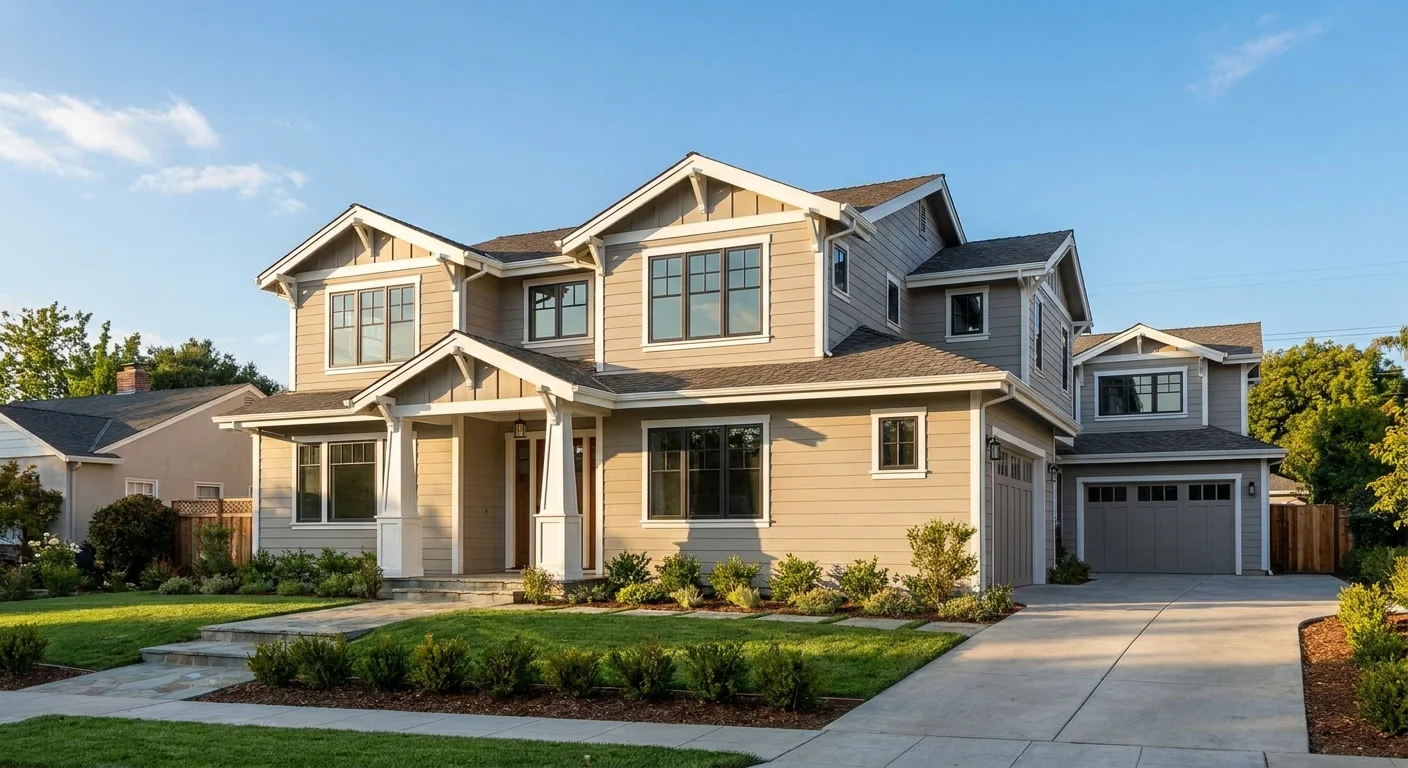
New Jersey's diverse climate, from the humid summers of Monmouth County to the freezing winters near the Delaware River, demands a robust and protective exterior paint job. A well-executed exterior house painting project not only dramatically enhances your home's curb appeal but also serves as its primary defense against the elements, preventing costly damage from moisture, UV radiation, and temperature fluctuations. This guide provides essential insights for NJ homeowners looking to invest in a lasting and beautiful exterior finish, covering everything from ideal timing and material selection to the professional process and expected costs.
Understanding the Importance of Exterior Painting in NJ
Beyond Aesthetics: Protection from NJ's Climate
For homeowners across New Jersey, New York, and Pennsylvania, exterior painting is far more than a cosmetic upgrade; it's a critical investment in your home's structural integrity. The region experiences a full spectrum of weather conditions, including hot, humid summers, often reaching into the 90s with high moisture levels that can promote mildew and rot. Winters are equally challenging, bringing freezing temperatures, heavy snow, ice, and persistent winds that stress building materials. Along the Jersey Shore, from Long Branch to Asbury Park, homes face additional challenges from salt spray and increased humidity, which can accelerate deterioration of unprotected surfaces. A high-quality exterior paint acts as a vital barrier, sealing out moisture, protecting wood from rot and insect infestation, and shielding surfaces from the damaging effects of UV radiation, which causes fading and material breakdown over time. This protective layer is essential for maintaining the longevity of your siding, trim, and other exterior components.
Boosting Curb Appeal and Property Value
The visual impact of a freshly painted exterior is undeniable. It instantly revitalizes your home's appearance, making it stand out in the neighborhood and creating a welcoming first impression. Whether you're in a historic district of Red Bank or a modern development in Holmdel, a new coat of paint can update your home's style, correct outdated color schemes, and hide minor imperfections. For homeowners considering selling, a professional exterior paint job is one of the most cost-effective ways to increase property value and attract potential buyers. Studies consistently show that homes with well-maintained exteriors sell faster and often at a higher price point. Choosing contemporary and complementary colors can significantly boost perceived value and buyer interest, making your home a desirable asset in competitive markets like Colts Neck or Freehold.
When is the Best Time to Paint Your Home's Exterior in NJ?
Recognizing Signs Your Home Needs Repainting
Even the highest quality paint won't last forever, especially when exposed to New Jersey's demanding weather. Recognizing the signs that your home needs repainting is crucial for proactive maintenance. Common indicators include visible fading, especially on south-facing walls exposed to direct sunlight, which can make colors appear dull and washed out. Peeling, cracking, or blistering paint is a clear sign that the paint film has lost its adhesion and is no longer protecting the underlying surface; this often occurs due to moisture intrusion or improper preparation. Chalking, where a fine, powdery residue comes off when touched, indicates the paint's binders are breaking down. Mildew and mold growth, particularly in shaded or damp areas, not only look unsightly but can also compromise paint integrity. Typically, a quality exterior paint job performed by professionals can last anywhere from 5 to 10 years, though premium 100% acrylic paints with excellent surface preparation can extend this lifespan up to 15 years.
Ideal Weather Conditions for Exterior Painting
The success and longevity of an exterior paint job are heavily dependent on painting under optimal weather conditions. For New Jersey, the ideal temperature range is generally between 50°F and 90°F. Painting outside this range can lead to issues: paint applied in too-cold conditions may not cure properly, leading to poor adhesion and premature failure, while extreme heat can cause paint to dry too quickly, resulting in brush marks, poor leveling, and blisters. Low humidity is also critical, as high moisture in the air can slow drying times and interfere with proper curing. Professionals will also closely monitor the dew point, ensuring that surface temperatures remain above the dew point to prevent condensation from forming on the paint. Furthermore, a dry forecast for at least 24-48 hours after application is essential to allow the paint to properly set and cure without being washed away or compromised by rain.
Seasonal Considerations for New Jersey Homeowners
Given the specific weather requirements, certain seasons are much more conducive to exterior painting in New Jersey.
- Spring (Late April to June): This is often considered the prime season. Temperatures are consistently mild, humidity levels are generally lower, and the risk of extreme heat or cold is reduced. This window allows for thorough surface preparation and adequate drying time before the peak summer heat.
- Fall (September to October): Another excellent window, offering similar benefits to spring. The crisp, clear days provide ideal conditions for paint application and curing. However, as winter approaches, the days become shorter, and overnight temperatures can drop, making it important to complete projects before the cold sets in.
- Summer (July to August): While possible, summer can be challenging due to high humidity and intense heat, which can cause paint to dry too quickly or lead to mildew issues. Early mornings are often the best time to paint during summer, avoiding the midday heat.
- Winter (November to March): Generally not recommended due to freezing temperatures, snow, and ice, which prevent proper paint adhesion and curing. Exterior painting projects are typically paused during these months.
Choosing the Right Paint and Materials for NJ Weather
Paint Types and Finishes for Durability
Selecting the correct paint type is paramount for enduring New Jersey's climate. For most residential exteriors, 100% acrylic latex paint is the industry standard and highly recommended. Acrylic latex offers superior flexibility, allowing it to expand and contract with temperature changes without cracking or peeling, which is critical in a region with significant seasonal temperature swings. It is also breathable, allowing moisture vapor to escape from within the walls, reducing the risk of blistering and mildew. Premium acrylics from brands like Sherwin-Williams or Benjamin Moore often contain advanced resins that resist fading, chalking, and mildew growth for many years. While alkyd (oil-based) paints were once common, they are now typically reserved for specific applications like trim, doors, or over existing oil-based coatings due to their harder finish and better adhesion to certain surfaces, though they are less flexible and can become brittle over time. Regarding finishes, flat or matte sheens are ideal for siding as they hide imperfections, while satin or eggshell finishes offer a subtle sheen and are easier to clean, often used for siding and trim. Semi-gloss is typically reserved for trim, doors, and railings, providing excellent durability and washability.
Primer Selection for Optimal Adhesion
Never underestimate the power of a quality primer. Primer creates a uniform surface for the topcoat, improving adhesion, enhancing paint durability, and ensuring consistent color. For previously painted surfaces in good condition, a high-quality acrylic latex primer is usually sufficient. However, for specific challenges, specialized primers are essential. For instance, a stain-blocking primer is necessary when painting over water stains, smoke damage, or cedar bleed, preventing these discolorations from showing through the new topcoat. Oil-based primers are excellent for sealing porous wood, blocking tannins, and providing superior adhesion to chalky or weathered surfaces. If you're transitioning from an oil-based paint to a latex paint, a bonding primer can facilitate better adhesion. IAC Home Improvement's professionals will assess your home's unique surface needs during the free on-site measurement to select the appropriate primer, ensuring maximum paint performance and longevity.
Essential Tools and Equipment
A professional exterior painting project requires more than just paint and brushes; it demands a comprehensive array of tools and equipment to ensure safety, efficiency, and a flawless finish. This includes:
- Pressure Washer: For thorough cleaning and mildew removal.
- Scrapers and Wire Brushes: To remove loose and peeling paint.
- Sanders: For smoothing rough surfaces and feathered edges.
- Caulking Guns and Caulk: For sealing cracks and gaps around windows, doors, and trim.
- High-Quality Brushes: Synthetic bristles for latex paints (e.g., nylon/polyester blends) and natural bristles for oil-based paints.
- Rollers: With appropriate nap sizes (e.g., 1/2" to 3/4" for rougher surfaces) for efficient application on large areas.
- Paint Sprayers: For achieving a smooth, even finish quickly, especially on large, textured surfaces.
- Drop Cloths and Tarps: To protect landscaping, driveways, and adjacent surfaces from paint drips and spills.
- Ladders and Scaffolding: Various sizes and types for safe access to all areas of the home, adhering to strict safety protocols.
- Safety Gear: Including gloves, safety glasses, respirators, and appropriate footwear.
The Exterior Painting Process: From Prep to Perfection
Meticulous Surface Preparation: Cleaning, Scraping, Repair
The secret to a long-lasting exterior paint job lies almost entirely in the preparation. Skipping or rushing this crucial phase is the most common reason for premature paint failure. IAC Home Improvement follows a rigorous preparation protocol to ensure optimal adhesion and a durable finish:
- Thorough Cleaning (Power Washing): The first step is to power wash the entire exterior surface to remove dirt, grime, mildew, chalking, and loose paint chips. This provides a clean, sound surface for the new paint to adhere to. Special care is taken to protect landscaping and ensure proper drainage.
- Scraping and Sanding: All loose, peeling, or blistered paint is meticulously scraped away. Edges of existing paint are feathered by sanding to create a smooth transition, preventing unsightly ridges under the new coat.
- Repairs and Restoration: Any damaged wood (rot, cracks) or siding is repaired or replaced. This includes replacing rotten trim boards, filling cracks with exterior-grade wood filler, and addressing any structural issues.
- Caulking and Sealing: Gaps and cracks around windows, doors, trim, and siding joints are sealed with high-quality, flexible exterior caulk. This prevents moisture intrusion and improves energy efficiency.
- Masking and Protecting: Windows, doors, light fixtures, and other non-paintable surfaces are carefully masked off and covered with painter's tape and plastic sheeting to protect them from paint splatter. Landscaping and walkways are covered with drop cloths.
Application Techniques for a Flawless Finish
Once the extensive preparation is complete, the application phase begins. This involves skilled techniques to ensure an even, beautiful, and protective finish.
- Priming: The appropriate primer is applied to bare wood, repaired areas, or surfaces requiring special treatment (e.g., stain blocking). This step ensures uniform absorption of the topcoat and maximizes adhesion.
- First Coat Application: The first coat of selected exterior paint is applied. Professionals often use a combination of spraying, rolling, and brushing. Spraying allows for quick, even coverage on large, flat surfaces, while back-rolling or brushing immediately after spraying ensures the paint is worked into the surface for optimal adhesion and eliminates drips.
- Drying Time: Adequate drying time between coats is critical. Most acrylic latex paints require 2-4 hours to dry to the touch, but full recoat time can be longer, especially in humid conditions. Professionals strictly adhere to manufacturer specifications to ensure proper curing.
- Second Coat Application: A second coat is typically applied to achieve full color saturation, enhanced durability, and a consistent finish. This layer provides additional protection against weathering and UV damage.
- Detail Work: Trim, doors, and other architectural details often receive special attention, using brushes for crisp lines and smooth finishes.
Post-Painting Care and Maintenance
After the final coat is applied and the masking is removed, the paint needs time to fully cure and harden. While it may be dry to the touch within hours, full curing can take several days to a few weeks, depending on the paint type and weather conditions. During this time, it's best to avoid harsh cleaning or putting undue stress on the freshly painted surfaces. For ongoing maintenance, a gentle annual cleaning with a soft brush and mild detergent can help remove accumulated dirt and mildew, preserving the paint's appearance and extending its lifespan. Regularly inspect your home's exterior for any signs of wear, such as small cracks or chips, and address them promptly to prevent minor issues from escalating into larger, more costly repairs. This proactive approach ensures your home's exterior remains beautiful and well-protected.
Cost, Timeline, and What to Expect from Professional Exterior Painting
Factors Influencing Exterior Painting Costs in NJ
The cost of exterior house painting in New Jersey can vary significantly based on several key factors. Homeowners in areas like Long Branch or Holmdel might see different price points than those in more rural parts of Pennsylvania. The primary determinants include:
- Size and Number of Stories: Larger homes and multi-story residences require more paint, labor, and specialized equipment (like scaffolding), increasing costs.
- Surface Condition and Preparation: Homes requiring extensive scraping, sanding, wood repair, or significant mildew removal will incur higher labor costs for the prep work.
- Paint Quality: Premium 100% acrylic latex paints, which offer superior durability and longevity, are more expensive per gallon but provide better long-term value.
- Architectural Details: Homes with intricate trim work, many windows, dormers, or detailed siding (e.g., Victorian homes in Asbury Park) demand more meticulous labor and time.
- Color Changes: A dramatic color change (e.g., from dark to light) may require additional coats, adding to material and labor costs.
Typical Project Timelines and Scheduling
The timeline for an exterior painting project depends heavily on the size and complexity of the home, as well as weather conditions. A smaller, single-story home with good existing paint might take 3-5 days from start to finish. A larger, multi-story home with significant prep work, such as extensive scraping and repairs, could easily take 1-2 weeks or even longer. Weather delays, particularly rain or high humidity, can extend the timeline, as painters must wait for optimal conditions to ensure proper adhesion and curing. Professional painting companies like IAC Home Improvement prioritize clear communication regarding scheduling and potential delays, keeping homeowners informed every step of the way. When you choose IAC, we provide a clear project total after a free on-site measurement, ensuring you understand the complete scope and cost upfront.
Why Choose a Full-Service Local Expert Like IAC Home Improvement
Navigating an exterior painting project requires expertise, precision, and an understanding of local climate challenges. Choosing a reputable, full-service local contractor like IAC Home Improvement offers numerous advantages. With extensive experience serving homeowners across NJ, NY, and PA, including towns like Red Bank, Colts Neck, and Freehold, we understand the specific demands of the region's weather on your home's exterior. Our team of skilled professionals ensures meticulous surface preparation, uses high-quality materials, and applies expert techniques for a durable and beautiful finish. IAC Home Improvement is a truly full-service home improvement and construction company, meaning we can handle not just your exterior painting needs, but also your entire project, from flooring installation (hardwood refinishing from $2-$4/sqft, LVP about $8/sqft all-inclusive) to kitchen and bathroom remodeling (kitchens $17K-$45K, bathrooms $9K-$25K), custom decks (composite deck packages from $16,000 for 200 sq ft), carpentry, masonry, landscaping, and more. This means you have one trusted contractor for anything your home needs, simplifying project management and ensuring consistent quality across all renovations. We are proud of our 5.0 rating with over 100 Google reviews, reflecting our commitment to customer satisfaction. Contact us today at (848) 234-0283 or email contact@iachomeimprovement.com. We are fully licensed in New Jersey (NJ License #13VH13143000) and Pennsylvania (PA License #PA188007).
Frequently Asked Questions About Exterior House Painting in NJ
How long does exterior paint typically last in New Jersey?
In New Jersey, a professional exterior paint job using high-quality 100% acrylic latex paint and thorough surface preparation can typically last between 5 to 10 years. Premium paints applied under ideal conditions can sometimes extend this lifespan up to 15 years, but factors like direct sun exposure, humidity, and coastal salt spray can influence durability.
Is it necessary to power wash my house before painting?
Yes, power washing is almost always a necessary and critical first step before exterior painting. It effectively removes accumulated dirt, grime, mildew, chalking, and loose paint, ensuring that the new paint has a clean, sound, and properly prepared surface to adhere to, which is vital for long-term durability and appearance.
What's the best type of paint for my home's exterior in NJ?
For most homes in New Jersey, 100% acrylic latex paint is highly recommended. Its superior flexibility allows it to withstand the region's extreme temperature fluctuations without cracking, and its breathability helps prevent moisture buildup and mildew. It also offers excellent color retention and durability against UV radiation.
How do I choose the right color for my home's exterior?
When selecting an exterior paint color, consider your home's architectural style, the surrounding landscape, and the colors of neighboring homes. Test large swatches on different sides of your house to see how the color appears in various lighting conditions. Earth tones, classic grays, and blues are popular choices, especially along the Jersey Shore, often enhancing curb appeal and complementing natural surroundings.
Authoritative resource: US EPA - Indoor Air Quality.