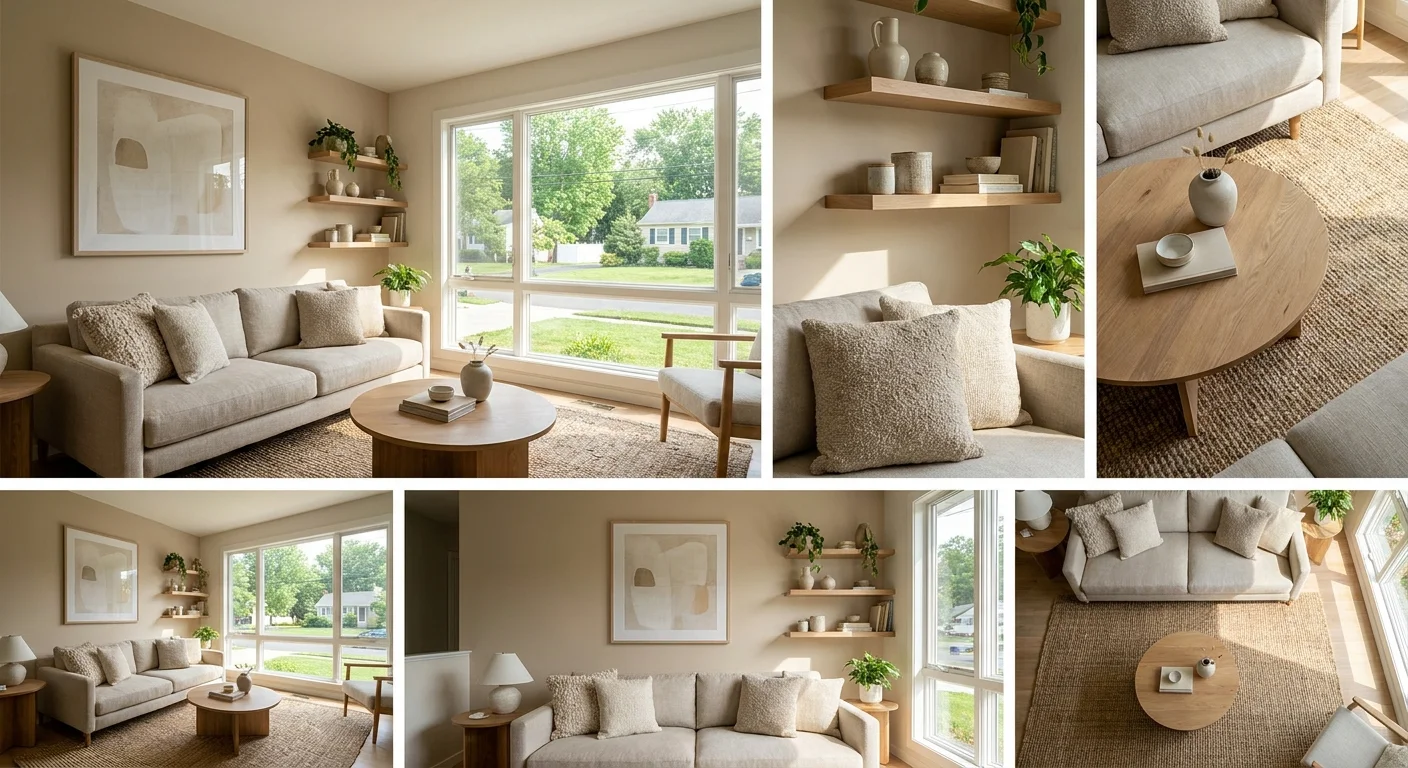
For homeowners in New Jersey, New York, and Pennsylvania, current interior paint color trends lean towards warm neutrals, nature-inspired greens and blues, and sophisticated muted tones that create serene, inviting spaces. These popular palettes prioritize comfort and versatility, allowing for easy integration with existing decor while offering a fresh, modern aesthetic that enhances home value and personal well-being. Selecting the right hues can transform your Marlboro, Colts Neck, or Holmdel residence, reflecting both personal style and contemporary design principles, making your home feel refreshed and cohesive.
Unveiling the Hottest Paint Color Trends for NJ Homes
The Enduring Appeal of Neutrals with a Twist
While classic beige and gray will always have their place, today's trending neutrals offer more depth and character. We're seeing a strong shift towards "greige" (a sophisticated blend of gray and beige), warm whites with creamy or barely-there yellow undertones, and soft, earthy taupes. These colors provide a versatile backdrop that feels both modern and timeless, especially in homes across Monmouth County and the Jersey Shore. They are perfect for creating a sense of calm and spaciousness, allowing homeowners to introduce pops of color through furniture and decor without overwhelming the space. For example, a warm off-white like Sherwin-Williams' Alabaster or Benjamin Moore's White Dove can brighten a living room, making it feel expansive and inviting.
Embracing Biophilic Design: Nature-Inspired Hues
The desire to connect with nature continues to influence interior design, bringing a surge in biophilic-inspired paint colors. Muted greens, ranging from sage and olive to soft moss, are incredibly popular, evoking a sense of tranquility and renewal. Similarly, serene blues, from dusty robin's egg to deep, calming navy, are being used to create spa-like bathrooms and peaceful bedrooms. These colors work beautifully in homes surrounded by New Jersey's natural landscapes, from the suburban tranquility of Freehold to the coastal charm of Long Branch. They pair exceptionally well with natural wood finishes, whether it's existing hardwood flooring with a satin or semi-gloss finish or rustic wooden furniture.
Bold Statements and Strategic Accent Walls
While neutrals provide a foundation, many homeowners in Red Bank and Asbury Park are confidently incorporating bolder colors through strategic accent walls or unexpected applications. Deep charcoals, rich plums, and even vibrant terracotta tones are being used to create focal points in living rooms, dining areas, or home offices. The key is balance: an accent wall in a saturated color works best when complemented by lighter, more subdued tones on the other walls. This approach adds personality and drama without committing to an entire room of intense color. It's an excellent way to define zones in open-concept layouts or highlight architectural features, providing a sophisticated design element that catches the eye.
Decoding Undertones and Sheen: Professional Paint Selection
Understanding Warm, Cool, and Neutral Undertones
The secret to a harmonious color scheme lies in understanding undertones. Every paint color, even white or gray, has an underlying warm (red, orange, yellow) or cool (blue, green, purple) tone. Mixing warm and cool undertones without careful consideration can lead to a disjointed look. For instance, a gray paint with a blue undertone might clash with existing furniture that has warm, orange-based wood tones. Our experts at IAC Home Improvement often guide clients in Marlboro through this process, ensuring that the chosen paint color complements their existing furnishings, flooring, and natural light sources. Identifying the dominant undertones in your home's fixed elements (like cabinetry, countertops, and flooring) is the first critical step.
The Impact of Paint Sheen: Matte, Eggshell, Satin, Semi-Gloss
The finish, or sheen, of your paint dramatically affects its appearance, durability, and how light interacts with the color. Choosing the right sheen is as important as selecting the color itself:
- Matte/Flat: Offers a non-reflective, velvety finish that hides imperfections well. Ideal for ceilings and low-traffic areas like formal dining rooms or master bedrooms. However, it's less durable and harder to clean.
- Eggshell: A popular choice for living rooms and bedrooms, providing a soft, subtle sheen that's more durable and washable than flat paint. It strikes a good balance between hiding imperfections and offering practicality.
- Satin: With a slightly higher luster than eggshell, satin is very durable and easy to clean, making it suitable for high-traffic areas like kitchens, hallways, and children's rooms. It can highlight wall imperfections more than flatter finishes.
- Semi-Gloss: Highly durable and reflective, semi-gloss is perfect for trim, doors, cabinets, and areas exposed to moisture and frequent cleaning, such as bathrooms and kitchens. Its high sheen can accentuate any surface flaws.
- High-Gloss: The most reflective and durable finish, often used for furniture, doors, or architectural features where a dramatic, mirror-like effect is desired. Not typically used for entire walls due to its tendency to highlight every imperfection.
Professional interior painting costs in New Jersey can range from $6 to $11 per square foot, depending on factors such as paint quality, number of coats, and the chosen finish. Higher sheens often require more meticulous surface preparation.
Sampling Colors: The Critical Step Before Committing
Never commit to a paint color based solely on a small swatch. Light conditions, both natural and artificial, profoundly impact how a color appears. A color that looks perfect in a brightly lit showroom might appear entirely different in your home's specific lighting. We strongly recommend purchasing sample pots and painting large swatches (at least 2x2 feet) on several walls in the room you intend to paint. Observe these samples throughout the day and under various lighting conditions: morning light, afternoon sun, and evening artificial light. This crucial step, often overlooked by DIYers, can prevent costly mistakes and ensure you love your final choice. Paint typically dries to the touch within 2-4 hours for latex-based paints, but its true color won't fully emerge until it's completely cured, which can take 2-4 weeks.
Tailoring Color Palettes to Your Home's Architecture and Lifestyle
Selecting Colors for Open-Concept Living Spaces
Open-concept layouts, common in many modern NJ homes, present unique challenges and opportunities for paint selection. The goal is to create a cohesive flow while subtly defining different functional zones. Often, a single, unifying neutral color on the walls provides a seamless backdrop. Then, different areas can be distinguished through varying furniture arrangements, rugs, or even a strategic accent wall in a kitchen or dining nook. For example, a soft greige might flow from the living room into the kitchen, with the kitchen island painted in a deep charcoal or a muted blue to add visual interest and anchor the space. This approach ensures continuity while preventing the space from feeling monotonous.
Enhancing Small Rooms and Maximizing Natural Light
For smaller rooms or spaces with limited natural light, color choice is paramount. Lighter, cooler colors (such as soft whites, pale grays, or light blues and greens) are known to make rooms feel more expansive and airy. These hues reflect light rather than absorbing it, creating an illusion of greater space. Consider using a monochromatic scheme with varying shades of the same color to add depth without cluttering the visual field. For instance, a light blue on the walls of a small bedroom in Freehold can be paired with an even lighter blue on the ceiling and trim to enhance the sense of height and openness. Strategic use of mirrors can further amplify light and space.
Creating Moods in Bedrooms, Bathrooms, and Home Offices
Each room in your home serves a different purpose, and paint color can be a powerful tool to reinforce its intended mood. For bedrooms, calming and soothing colors like muted blues, greens, or warm grays promote relaxation. In bathrooms, fresh whites, soft aquas, or even sophisticated dark tones can create a spa-like retreat, especially when paired with elegant tile (IAC tile floors start at about $13 per square foot installed, with standard porcelain or ceramic tile included and projects from $1,500, while large-format tile, natural stone and shower walls are quoted per project). For home offices, colors that inspire focus and creativity are ideal; think soft greens, muted blues, or even a sophisticated deep gray. For families in Marlboro, a vibrant, playful color might be perfect for a child's playroom, while a serene neutral could define a quiet reading nook. This thoughtful approach to color ensures every space functions optimally for its inhabitants.
Harmonizing Paint Colors with Existing Flooring and Finishes
Complementing Hardwood and Laminate Flooring
Your flooring is a significant, often permanent, element of your home's interior, making it crucial to select paint colors that complement it. For homes with warm-toned hardwood (like oak or cherry), paint colors with warm undertones (creamy whites, soft yellows, or earthy greens) often create a cohesive and inviting atmosphere. If your hardwood has cooler tones (like some ash or gray-stained woods), cooler paint colors such as grays, blues, or crisp whites can provide a harmonious balance. For laminate flooring, which often mimics hardwood, the same principles apply. If you're considering a change, remember that hardwood refinishing in NJ typically runs $2 to $4 per square foot, all-inclusive (projects from $1,600), while new hardwood installation labor starts at $4 per square foot for straight-lay boards (herringbone and chevron from $12 per square foot), with the wood itself chosen separately and projects from $1,300. Either one is a significant investment worth coordinating with your paint choices.
Integrating with Tile, Vinyl Plank, and Carpet
When working with tile, vinyl plank (LVP), or carpet, consider their dominant colors and undertones. For instance, if you have cool-toned gray tile in your kitchen or bathroom, pairing it with cool grays, blues, or crisp whites will create a seamless look. Warmer tiles, often found in terra cotta or beige tones, will harmonize with paint colors like soft creams, light browns, or muted greens. Modern LVP, with its durable wear layer, comes in a vast array of wood and stone looks; match its undertones. For carpet (installation labor typically starts at $3 per square foot, including pad installation, with the carpet and pad priced by your selection and projects starting at $800), a neutral shade often serves as a versatile base. If your carpet is a specific color, choose wall paint that is either a lighter shade of that color, a complementary neutral, or a contrasting hue that still shares an undertone. This ensures the entire room feels deliberate and well-designed.
Coordinating with Cabinetry, Countertops, and Furniture
Beyond flooring, fixed elements like kitchen cabinetry, bathroom vanities, and countertops play a huge role in paint selection. If you have white kitchen cabinets, you have immense flexibility, from bold accent walls to serene neutrals. Darker cabinets might benefit from lighter wall colors to prevent the room from feeling too heavy. Countertops, whether granite, quartz, or laminate, often have flecks of various colors; pick one of the lighter, more subtle colors from the countertop pattern to inform your wall paint choice. Finally, consider your existing furniture. While you can always re-upholster, choosing a wall color that complements your largest furniture pieces (sofas, beds) will make the space feel more curated and intentional. IAC Home Improvement, a full-service construction company, can help you coordinate your entire project, from kitchen remodels ($17K-$45K) and bathroom renovations ($9K-$25K) to interior painting and new flooring, ensuring every element works together perfectly.
The Investment of Professional Interior Painting in NJ
Understanding Interior Painting Costs in New Jersey
The cost of interior painting in New Jersey, including towns like Marlboro, Holmdel, and Colts Neck, varies based on several factors: the size of the area, the type and quality of paint, the number of coats required, the complexity of the job (e.g., high ceilings, intricate trim work), and the level of surface preparation needed. As a general guideline, professional interior painting services can range from $6 per square foot for basic applications with standard paint to $8-$11 per square foot for premium paints, multiple coats, or extensive prep work. While DIY might seem cheaper upfront, professional painters offer speed, precision, and a flawless finish that adds significant value and longevity to your home's aesthetic. Our team at IAC Home Improvement provides detailed, transparent quotes tailored to your specific project needs.
The Benefits of Professional Application
Hiring professional painters from IAC Home Improvement offers numerous advantages beyond just saving you time and effort. Our experienced crews possess the skills and equipment to achieve superior results, including crisp lines, even coverage, and meticulous surface preparation. We understand the nuances of different paint types, primers, and sheens, ensuring the right products are used for each surface. Professionals also work efficiently, minimizing disruption to your daily life, and clean up thoroughly upon completion. Furthermore, a professionally painted home enhances curb appeal and can significantly increase its market value, a key consideration for homeowners across NJ, NY, and PA. We guarantee our work, providing peace of excellent results backed by our 5.0 rating with 100+ Google reviews.
Beyond Paint: IAC's Full-Service Home Transformation
At IAC Home Improvement, we are more than just painters; we are a comprehensive home improvement and construction company dedicated to transforming homes across New Jersey, New York, and Pennsylvania. Whether you're planning a complete home renovation or a targeted upgrade, we can manage your entire project from conception to completion. Beyond interior and exterior painting, our services include all types of flooring (hardwood, vinyl, tile, carpet, laminate), kitchen and bathroom remodeling, custom carpentry, decking (a complete composite deck with Trex Enhance decking and Fiberon Regency railings starts at about $16,000 for 200 sq ft, with the final price set after a free on-site measurement), masonry, concrete, paver installation, and even landscaping. This means you only need one trusted contractor for anything your home needs, ensuring seamless coordination, consistent quality, and a stress-free experience. Contact us today at (848) 234-0283 or email contact@iachomeimprovement.com. Our NJ License is #13VH13143000 and PA License is #188007.
Frequently Asked Questions About Interior Paint Colors
What are the most popular interior paint colors in New Jersey right now?
Currently, the most popular interior paint colors in New Jersey homes include warm neutrals like greige and creamy whites, nature-inspired greens (sage, olive), and tranquil blues (dusty blue, navy). These colors are favored for creating serene, inviting environments that complement both traditional and contemporary aesthetics.
How do I choose a paint color that makes my room look bigger?
To make a room look bigger, opt for lighter, cooler paint colors such as soft whites, pale grays, or light blues and greens. These hues reflect more light, creating an illusion of expanded space and airiness. Using a monochromatic scheme with varying shades of the same light color can also enhance this effect.
Should I paint my trim the same color as my walls?
While painting trim the same color as your walls (often in a different sheen like semi-gloss for durability) can create a seamless, modern, and minimalist look, it's more common to paint trim a contrasting color, typically a crisp white or a lighter shade of the wall color. This highlights architectural details and adds definition to the room.
How long does interior paint typically last?
High-quality interior paint, when properly applied by professionals, can last anywhere from 5 to 10 years or even longer, depending on the room's traffic, exposure to sunlight, and overall wear and tear. Paint manufacturers often provide warranties ranging from 5 to 25 years for their products.
Authoritative resource: US EPA - Indoor Air Quality.