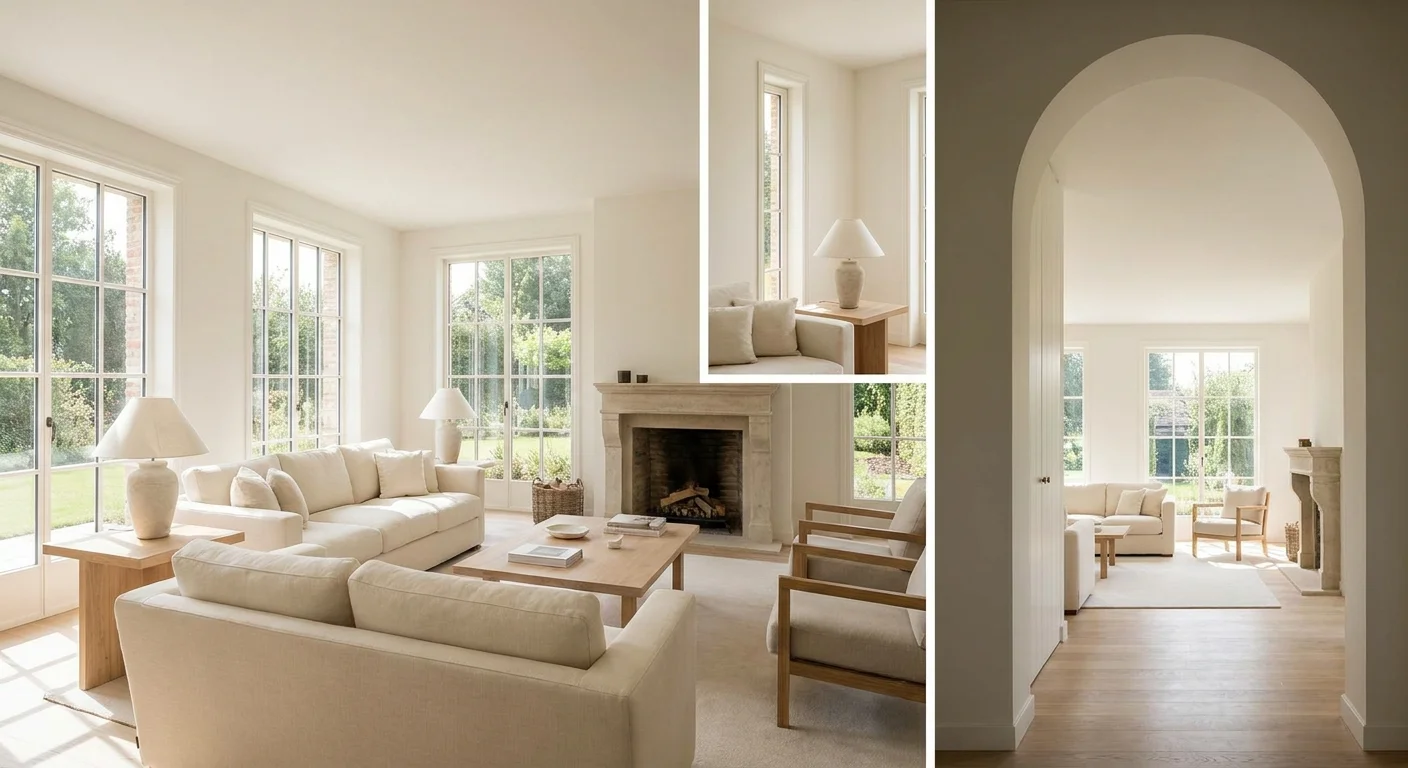
A fresh coat of interior paint can dramatically transform a home, breathing new life into living spaces and significantly enhancing curb appeal. For homeowners across New Jersey, New York, and Pennsylvania, understanding the nuances of interior painting (from meticulous preparation to strategic color selection and the right finish) is key to achieving a professional, long-lasting result. This guide provides expert tips to ensure your next painting project is a resounding success, whether you're tackling a small room or revamping your entire residence.
Mastering the Art of Interior Painting: A Foundation for Success
Achieving a flawless interior paint finish isn't just about applying color; it's about understanding the entire process, starting with a solid foundation. From the initial inspection of your walls to selecting the right products, every step contributes to the longevity and aesthetic appeal of your newly painted space.
Why Proper Preparation is Non-Negotiable
The secret to a professional-looking paint job lies overwhelmingly in the preparation. Skipping steps like cleaning, patching, or priming can lead to unsightly flaws such as peeling paint, visible imperfections, or uneven color distribution. Walls accumulate dust, grease, and grime over time, especially in high-traffic areas like hallways or kitchens. A thorough cleaning ensures optimal adhesion of the new paint. Furthermore, repairing cracks, holes, and texture inconsistencies creates a smooth canvas, allowing the paint to lay down evenly and flawlessly. This foundational work, often overlooked, saves significant time and frustration in the long run.
Essential Tools and Materials for Every Project
Equipping yourself with the right tools is paramount. Beyond paint, you'll need a range of items to ensure efficiency and a high-quality finish. This includes drop cloths or plastic sheeting to protect floors and furniture, painter's tape for clean lines, sandpaper for smoothing surfaces, spackle or joint compound for repairs, and a good quality primer. For application, invest in various brush sizes for trim and corners, rollers with appropriate nap lengths for walls and ceilings (typically 3/8-inch nap for smooth surfaces, 1/2-inch for textured), and paint trays. Don't forget safety gear like gloves and eye protection, especially when working with ladders or certain cleaning solutions. Quality tools not only make the job easier but also contribute to a superior finish.
Understanding Paint Types and Their Applications
The market offers a wide array of paint types, each formulated for specific applications and environments. The two primary categories for interior use are latex (water-based) and oil-based paints. Latex paints are popular for their easy cleanup with water, low VOCs (Volatile Organic Compounds), faster drying times, and flexibility, making them less prone to cracking. They are ideal for walls and ceilings. Oil-based paints, while more durable and offering a harder finish, require mineral spirits for cleanup and have stronger fumes. They are often preferred for trim, doors, and cabinets due to their excellent adhesion and resistance to scuffs, though modern acrylic-latex hybrids now offer comparable durability with easier cleanup. For high-moisture areas like bathrooms and kitchens, look for paints specifically formulated with mildew inhibitors.
Strategic Color Selection for Your New Jersey Home
Choosing the perfect paint color can feel daunting, but it's one of the most impactful decisions you'll make for your home's interior. The right hue can transform a room, influencing mood, perceived space, and overall aesthetic. Consider the unique light and architectural styles prevalent in areas like Long Branch, Red Bank, or Holmdel.
Harmonizing with Existing Decor and Lighting
Before selecting a paint color, take stock of your home's existing elements: furniture, flooring, artwork, and natural light sources. These components will significantly influence how a color appears and feels in a room. A color that looks stunning in a showroom might appear entirely different under your home's lighting, which can vary from warm incandescent to cool LED or natural daylight. North-facing rooms tend to have cooler, blue-tinged light, while south-facing rooms receive warmer, brighter light. Test paint samples on your walls, observing them at different times of day to see how they interact with both natural and artificial light, as well as your existing furnishings. This crucial step prevents costly mistakes and ensures seamless integration.
The Psychology of Color: Setting the Mood
Colors evoke emotions and can significantly impact the atmosphere of a room. Warm colors like reds, oranges, and yellows tend to energize and create a cozy, inviting feel, often used in living rooms or dining areas. Cool colors such as blues, greens, and purples promote tranquility and relaxation, making them ideal for bedrooms and bathrooms. Neutrals (grays, beiges, whites) offer versatility and a timeless backdrop, allowing other elements of the room to stand out. For homes along the Jersey Shore, many homeowners opt for serene blues and greens to reflect the coastal environment, or crisp whites and grays for a clean, modern aesthetic. Understanding color psychology helps you intentionally design spaces that align with their intended function and desired mood.
Trending Hues and Timeless Classics in NJ/NY/PA
While trends come and go, certain color palettes maintain their appeal across the diverse architectural styles of New Jersey, New York, and Pennsylvania. Currently, popular choices include sophisticated grays, warm whites, and subtle greens, reflecting a desire for calm, natural environments. Coastal communities like Asbury Park often lean towards oceanic blues and sandy neutrals. In more historic towns like Freehold or Colts Neck, homeowners might opt for deeper, richer tones that complement traditional aesthetics. However, timeless classics like off-whites, light grays, and soft blues always remain safe and elegant choices, providing a versatile canvas that adapts to changing decor. When selecting, balance current trends with your personal taste and the long-term appeal of your home, especially if you plan to sell in the future.
Decoding Paint Finishes: From Flat to High-Gloss
The paint finish, or sheen, you choose is just as important as the color. It impacts durability, cleanability, and the overall look of a surface. Understanding the characteristics of each finish is crucial for selecting the right one for different areas of your home.
Matte and Flat Finishes: Best for Low-Traffic Areas
Matte and flat finishes have the least amount of sheen, absorbing light rather than reflecting it. This characteristic makes them excellent at concealing surface imperfections, such as minor dings, patches, or uneven textures, which is why they are often used on ceilings. However, their porous nature makes them less durable and harder to clean, making them less suitable for high-traffic areas. They are best reserved for bedrooms, formal dining rooms, or other spaces where walls are unlikely to be frequently touched or scuffed. A high-quality flat paint can still offer excellent coverage and a rich, deep color appearance, providing a sophisticated, velvety look.
Eggshell and Satin: Versatility and Durability
Eggshell and satin finishes offer a slight sheen, making them more durable and easier to clean than flat paints, without being overly reflective. Eggshell has a subtle, low-luster finish, resembling the slight sheen of an eggshell, and is a popular choice for living rooms, dining rooms, and bedrooms. Satin paint has a slightly higher sheen, often described as a soft, pearl-like glow, and is highly versatile. It stands up well to cleaning and light scrubbing, making it an excellent choice for moderate-to-high traffic areas like family rooms, hallways, and kids' bedrooms. Satin is also frequently used for trim and doors where a subtle contrast to wall color is desired, offering good resistance to moisture and wear.
Semi-Gloss and High-Gloss: Ideal for High-Moisture and Trim
Semi-gloss and high-gloss paints are the most durable and reflective finishes. Semi-gloss has a distinct shine and is highly resistant to moisture, stains, and scuffs, making it perfect for areas that require frequent cleaning. This includes kitchens, bathrooms, laundry rooms, and utility areas. Its durability also makes it an excellent choice for trim, doors, and cabinets, providing a crisp, clean contrast to walls. High-gloss paint is the most reflective and durable finish, creating a mirror-like appearance. While less common for entire walls due to its tendency to highlight every imperfection, it's exceptionally hard-wearing and easy to clean. High-gloss is often used for furniture, specific architectural features, or areas needing maximum protection and a dramatic, reflective accent.
The Step-by-Step Process for a Professional Paint Job
Achieving a professional-quality paint job requires more than just opening a can of paint. It's a methodical process that, when followed diligently, yields superior and long-lasting results. For homeowners in Monmouth County and across NJ/NY/PA, understanding these steps can either empower a successful DIY project or help you appreciate the expertise of a professional team like IAC Home Improvement.
Thorough Wall Preparation: Cleaning, Patching, and Priming
As mentioned, preparation is paramount. Begin by clearing the room of furniture or moving it to the center and covering it with plastic sheeting. Remove all outlet covers, switch plates, and light fixtures. Clean walls thoroughly with a mild detergent solution (like TSP substitute) to remove grease and grime, rinsing with clean water and allowing them to dry completely. Next, inspect for imperfections. Fill nail holes and small cracks with spackle, larger holes or damaged areas with joint compound, sanding smooth once dry with 120-150 grit sandpaper. Feather the edges to blend seamlessly. For new drywall, repaired areas, significant color changes, or stain blocking, apply a high-quality primer. Priming ensures better paint adhesion, more uniform color, and reduces the number of topcoats needed.
Mastering Paint Application Techniques
Proper application techniques are crucial for a smooth, even finish.
- Cutting In: Use a high-quality angled brush (2-2.5 inches) to paint along edges, corners, and around trim. This technique, known as "cutting in," requires a steady hand and usually a 2-3 inch wide band of paint.
- Rolling Walls: Use a roller with the appropriate nap length for your surface. Load the roller evenly and apply paint in "W" or "M" patterns, then fill in the pattern with vertical strokes, overlapping each pass slightly. Work in small sections (e.g., 3x3 feet) to maintain a wet edge and avoid lap marks.
- Consistent Coverage: Apply two thin coats rather than one thick coat for better durability and a smoother finish. Allow sufficient drying time between coats. Most latex paints are dry to the touch in 2-4 hours, but recoat times typically range from 4-6 hours.
- Avoid Overworking: Don't roll over paint that has started to dry, as this can create texture differences and visible roller marks.
Drying Times and Curing for Long-Lasting Results
Understanding the difference between drying and curing is vital. Paint is "dry to the touch" when it no longer feels wet, usually within 1-4 hours for latex paints. It's "dry enough for recoat" after 2-6 hours, meaning you can apply a second coat without disturbing the first. However, paint typically takes 7 to 30 days to fully "cure," meaning it has reached its maximum hardness and durability. During the curing period, treat newly painted surfaces with care: avoid scrubbing, placing heavy objects against them, or exposing them to excessive moisture. Proper ventilation and maintaining a consistent room temperature (ideally 60-80°F) can aid in both drying and curing processes, ensuring the paint performs as intended for years to come.
DIY vs. Professional Interior Painting: Making the Right Choice
The decision to undertake an interior painting project yourself or hire professionals like IAC Home Improvement often boils down to a balance of time, skill, and desired outcome. While DIY can save on labor costs, professional results offer significant advantages.
Assessing Your Skills and Time Commitment
Painting a room might seem straightforward, but achieving a truly professional finish requires skill, patience, and a significant time commitment. Consider the size of your project: a small bedroom is manageable, but painting an entire multi-story home or rooms with intricate trim and high ceilings (common in many older NJ/NY/PA homes) can be physically demanding and time-consuming. Do you have the experience with proper prep work, cutting in straight lines, and avoiding drips and roller marks? Do you have the necessary tools? If your time is limited, or if you lack confidence in your painting abilities, the DIY route might lead to a less-than-satisfactory result and potentially require more effort and expense to correct later.
When to Call in the Experts: Benefits of Professional Painters
Hiring professional painters offers numerous benefits. Experts bring years of experience, specialized tools, and a deep understanding of paint types, finishes, and application techniques. They can complete projects efficiently, often in a fraction of the time it would take a homeowner, while delivering a superior, uniform finish. Professionals also handle all the meticulous preparation, including extensive patching and priming, ensuring longevity and quality. Furthermore, they are insured, protecting you from liability for accidents or damages. For complex projects, color consultations, or when you simply want a stress-free experience with guaranteed results, entrusting your home to skilled painters from a reputable company like IAC Home Improvement is a wise investment. Our team is fully licensed (NJ License #13VH13143000, PA License #PA188007) and boasts a 5.0 rating with 100+ Google reviews.
Understanding the Value of a Full-Service Contractor
Beyond just painting, consider the broader scope of your home improvement needs. IAC Home Improvement is a full-service home improvement and construction company. This means we don't just paint; we can manage your entire project. Perhaps you're envisioning new flooring (hardwood refinishing runs $2 to $4 per square foot all-inclusive, hardwood installation labor starts at $4 per square foot for straight-lay boards with the wood chosen separately, luxury vinyl plank is about $8 per square foot installed with the material included, and tile floors start at about $13 per square foot with standard porcelain or ceramic tile included), a kitchen remodel ($17,000-$45,000), or a bathroom renovation ($9,000-$25,000). We also handle exterior painting, carpentry, composite decks (complete packages with Trex Enhance decking and Fiberon Regency railings from about $16,000 for a 200 sq ft deck), masonry/concrete/paver work, and landscaping. Choosing a single, trusted contractor for all your needs simplifies project management, ensures cohesive design, and often leads to better overall outcomes. It's one point of contact, one coordinated schedule, and one commitment to excellence across every aspect of your home transformation.
Interior Painting Costs in New Jersey and Beyond
Understanding the financial aspect of interior painting is crucial for budgeting and planning your project. Costs can vary significantly based on several factors, making it important to get a clear estimate.
Factors Influencing Your Painting Estimate
Several variables impact the overall cost of interior painting. These include:
- Square Footage: The larger the area to be painted, the higher the material and labor costs.
- Ceiling Height: High ceilings or vaulted ceilings require more effort, specialized equipment, and time.
- Condition of Walls: Extensive prep work like patching numerous holes, repairing drywall damage, or sanding rough surfaces will increase labor costs.
- Number of Coats: A significant color change (e.g., dark to light) often requires 3+ coats, increasing material and labor.
- Type of Paint and Finish: Premium paints and specialty finishes can be more expensive per gallon.
- Trim and Doors: Painting intricate trim, doors, and window frames adds to the complexity and time.
- Location: Labor rates can vary slightly across different regions in NJ, NY, and PA, with areas like Monmouth County or closer to NYC potentially having slightly higher costs.
Typical Price Ranges for Interior Painting in NJ/NY/PA
Interior painting costs are often quoted per square foot, per room, or as a flat project rate. In the New Jersey, New York, and Pennsylvania region, particularly around the Jersey Shore and surrounding areas, you can expect the following general price ranges for professional interior painting services:
| Scope | Typical Price Range (per square foot of wall space) |
|---|---|
| Basic Walls Only (minimal prep, standard paint) | $6 - $8 |
| Walls, Trim & Doors (moderate prep, quality paint) | $8 - $10 |
| Walls, Trim, Doors & Ceilings (extensive prep, premium paint) | $10 - $11+ |
Investing in Quality: The IAC Home Improvement Difference
While cost is a consideration, the true value lies in the quality and longevity of the work. At IAC Home Improvement, we believe in providing exceptional value through superior craftsmanship, meticulous attention to detail, and the use of high-quality materials. Our experienced team ensures thorough preparation, precise application, and a clean finish, transforming your home with minimal disruption. We stand by our work, offering peace of mind that your investment will pay off with beautiful, durable results that enhance your home's aesthetics and value for years. For more details on our commitment to quality, visit our interior painting service page.
Frequently Asked Questions About Interior Painting
How long does interior paint typically last?
High-quality interior paint, properly applied, can last anywhere from 5 to 10 years, and sometimes even longer, depending on the room's traffic, exposure to sunlight, and humidity levels. Bathrooms and kitchens might require repainting sooner due to moisture and wear.
What's the best way to clean walls before painting?
For most walls, a solution of warm water and a small amount of mild dish soap is effective. For greasy areas like kitchens, or heavily soiled walls, a TSP (trisodium phosphate) substitute cleaner is recommended. Always rinse thoroughly with clean water and allow walls to dry completely before priming or painting.
Should I prime every wall before painting?
You don't always need to prime every wall, but it's highly recommended for new drywall, walls with significant repairs or stains, when changing a dark color to a much lighter one, or when painting over glossy finishes. Primer ensures better adhesion, uniform color, and helps seal porous surfaces.
How much does it cost to paint a 12x12 room in New Jersey?
The cost to paint a 12x12 room (approximately 48 linear feet of wall, assuming 8-foot ceilings, totaling around 384 square feet of wall space) in New Jersey can range from $2,000 to $4,200. This estimate depends on factors like ceiling height, wall condition, number of coats, and whether trim and doors are included. For example, at $8 per square foot, painting walls, trim, and doors would be around $3,072.
Authoritative resource: US EPA - Indoor Air Quality.