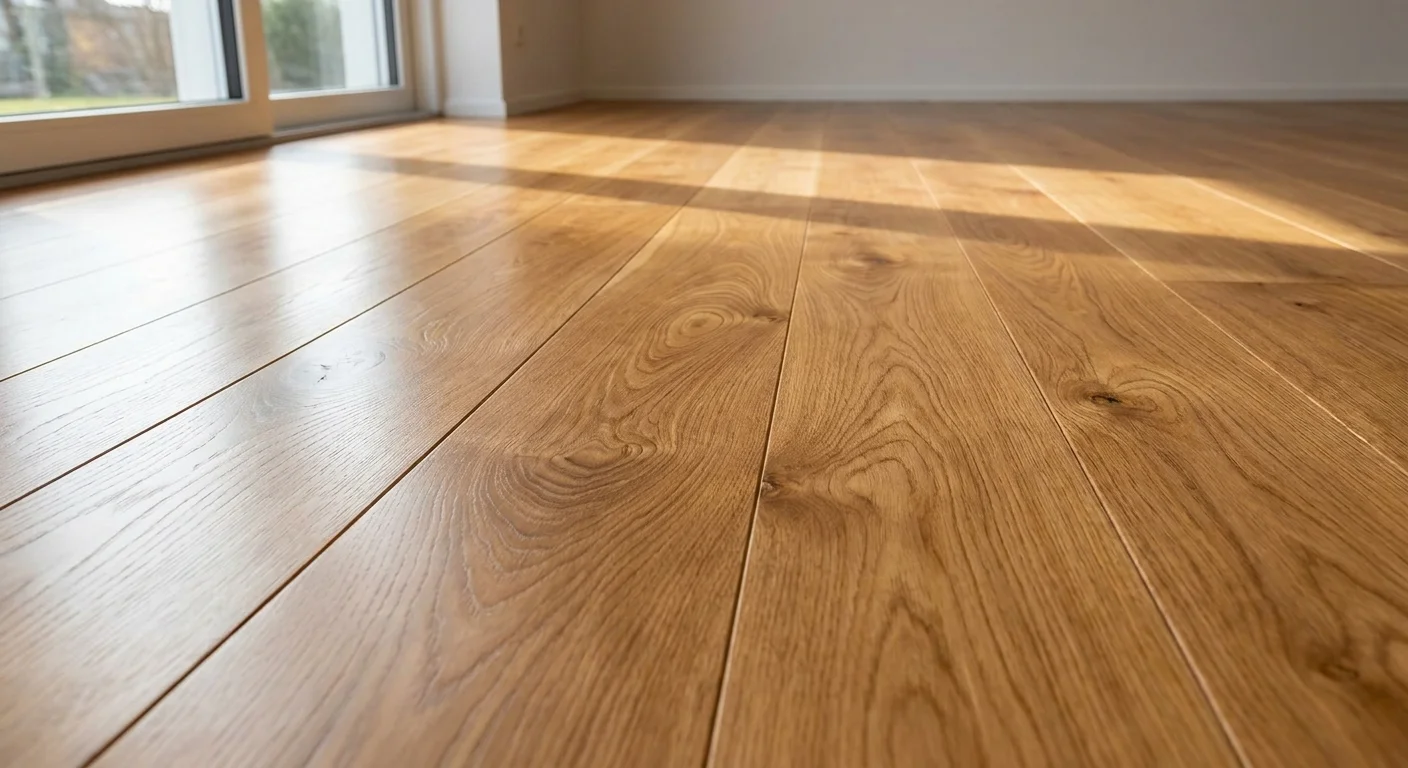
Maintaining your home's flooring is crucial for preserving its beauty, extending its lifespan, and ensuring a healthy living environment. From daily cleaning routines to understanding specific product applications and knowing when to call a professional, proactive floor care can significantly impact your home’s value and aesthetic appeal. This guide provides expert insights for homeowners across NJ, NY, and PA, ensuring your floors remain pristine for years to come.
Understanding Your Floor's Foundation: Types and Vulnerabilities
Each flooring material possesses unique characteristics that dictate its optimal care. Recognizing these differences is the first step toward effective maintenance, protecting your investment in your Holmdel, Monmouth County, or Red Bank home.
Hardwood: Nature's Beauty, Specific Needs
Hardwood floors, beloved for their timeless elegance, require careful attention to maintain their luster. Whether you have solid oak, maple, or exotic species, their vulnerability lies primarily in moisture and abrasive damage. Water can cause warping, cupping, or buckling, while grit and heavy foot traffic lead to scratches and dullness. Finishes, such as polyurethane, aluminum oxide, or natural oil, act as a protective barrier, but their integrity is key. For example, a polyurethane finish, common in many Freehold and Colts Neck homes, typically offers robust protection but can be scratched by high heels or pet claws, revealing the wood beneath. The Janka hardness scale, which measures wood resistance to denting and wear, can give you an idea of your floor's inherent durability; Red Oak, for instance, has a Janka rating of 1290, making it a popular choice for its balance of beauty and resilience.
Resilient Flooring: Vinyl, Laminate, and Their Modern Durability
Resilient flooring options like Luxury Vinyl Plank (LVP), Luxury Vinyl Tile (LVT), and laminate offer fantastic durability and moisture resistance, making them ideal for high-traffic areas and rooms prone to spills, such as kitchens and bathrooms in Asbury Park or along the Jersey Shore. LVP and LVT feature a wear layer that protects the photographic layer from scratches and scuffs, with thicker wear layers (e.g., 20 mil or 28 mil) offering superior longevity. Laminate flooring, typically constructed with a high-density fiberboard (HDF) core, is also highly durable but is more susceptible to water damage if moisture penetrates its edges or seams. While many vinyl products boast a 25-year residential warranty, improper cleaning agents can still dull their finish or compromise their protective layers.
Tile & Stone: The Grout Line and Beyond
Ceramic, porcelain, and natural stone tiles are renowned for their incredible durability and water resistance, making them excellent choices for entryways, bathrooms, and kitchens. However, their primary maintenance challenge often lies in the grout lines. Grout, being porous, can absorb dirt, spills, and mildew, leading to discoloration and an unkempt appearance. Regular sealing of grout is essential, especially for natural stone tiles like marble or travertine, which are also porous and can etch or stain if exposed to acidic substances. Porcelain tiles, with a PEI rating (Porcelain Enamel Institute) of 3 or higher, are highly resistant to abrasion, but even they benefit from routine cleaning to prevent surface haze and maintain their aesthetic.
Daily Habits for Long-Term Floor Health
Consistent, gentle care is the cornerstone of preserving your floors. Implementing simple daily and weekly habits can prevent the build-up of dirt and damage that often necessitates more intensive cleaning or repair down the line.
The Power of Prevention: Mats, Furniture Pads, and Footwear
Prevention is the most effective floor care strategy. Place high-quality walk-off mats at all exterior entrances to trap dirt, grit, and moisture before they can be tracked onto your floors. Use felt or rubber furniture pads under all furniture legs, especially on hardwood, to prevent scratches and dents when furniture is moved. In areas with hardwood or delicate resilient flooring, consider a "no-shoes indoors" policy, as outdoor footwear often carries abrasive particles that can act like sandpaper on your floor's finish. For pet owners in Holmdel, keeping pet nails trimmed is also a simple yet highly effective preventative measure against scratches.
Routine Cleaning for Different Floor Types
Regular cleaning removes surface dirt and prevents it from embedding or abrading your floors.
- Hardwood: Sweep or vacuum (using a soft brush attachment) daily or every other day. Damp mop with a pH-neutral, hardwood-specific cleaner weekly. Avoid excessive water, which can damage wood.
- Vinyl & Laminate: Sweep or vacuum regularly. For deeper cleaning, use a damp mop with a manufacturer-recommended or pH-neutral cleaner. Never use excessive water on laminate, as it can cause swelling.
- Tile & Stone: Sweep or vacuum frequently to remove loose dirt. Mop with a pH-neutral cleaner. For natural stone, ensure the cleaner is specifically formulated for stone to avoid etching.
Humidity Control: An Unsung Hero for Hardwood
For homeowners with hardwood floors, especially in regions like NJ, NY, and PA with fluctuating seasonal humidity, maintaining consistent indoor humidity is critical. Hardwood is a hygroscopic material, meaning it absorbs and releases moisture, causing it to expand and contract. Ideal indoor humidity levels for hardwood are typically between 35% and 55%. Using a humidifier in dry winter months and a dehumidifier in humid summer months can prevent issues like gapping, cupping, or crowning, which can lead to costly repairs. This simple measure significantly extends the life and appearance of your hardwood investment.
Tackling Common Spills and Stains Effectively
Accidents happen, but knowing the right approach to common spills and stains can save your floors from permanent damage. The key is to act quickly and use appropriate cleaning agents.
Hardwood Stain Removal Techniques
For hardwood floors, immediate action is paramount.
- Water Spots: For fresh water spots, wipe immediately. For older, white water marks, a cloth dampened with mineral spirits or even a dab of mayonnaise left for a few hours can sometimes draw out the moisture. For black spots (indicating water penetration into the wood), professional help may be needed.
- Grease/Oil: Blot immediately with a soft cloth. For stubborn spots, use a tiny amount of mineral spirits on a cloth, rubbing gently. Always test in an inconspicuous area first.
- Scuffs: Many light scuff marks from shoes can be removed with a pencil eraser or a tennis ball.
Best Practices for Vinyl and Laminate Stains
Vinyl and laminate are generally more stain-resistant than hardwood, but some substances can still leave marks.
- Food & Beverage Stains: Most food and drink stains can be cleaned with a damp cloth and a mild detergent or a manufacturer-approved vinyl/laminate cleaner.
- Ink, Marker, Crayon: For tougher stains, a small amount of rubbing alcohol on a cloth can often lift ink or marker. For crayon, try a non-abrasive cleaner.
- Scuffs: Similar to hardwood, a pencil eraser or gentle rubbing with a clean cloth can often remove scuff marks from vinyl.
Grout Cleaning and Tile Stain Solutions
Grout is the most common culprit for making tile floors look dirty.
- Grout Haze (new installation): Often removed with a specific grout haze remover available at hardware stores.
- General Grout Stains: A paste of baking soda and water, applied with a stiff-bristled brush, can be effective. For tougher stains, a specialized oxygenated bleach cleaner designed for grout can work wonders. Always ensure good ventilation.
- Tile Stains: Most stains on ceramic or porcelain tile can be removed with a general-purpose cleaner. For natural stone, use cleaners specifically labeled "safe for natural stone" to avoid etching.
Products to Use and Avoid for Optimal Floor Care
Choosing the right cleaning products is paramount. Using inappropriate chemicals can strip finishes, leave residue, or even permanently damage your flooring, potentially voiding warranties.
Approved Cleaners and Tools for Each Floor Type
For best results, always refer to your flooring manufacturer's recommendations.
- Hardwood: Use pH-neutral, water-based cleaners specifically formulated for hardwood floors. Brands like Bona or Pledge Wood Floor Cleaner are popular and effective. For tools, a soft-bristle broom, a vacuum with a hardwood floor setting, and a microfiber mop are ideal.
- Vinyl & Laminate: Mild dish soap and water (diluted), or cleaners designed specifically for vinyl or laminate, are safe. Avoid "mop and shine" products that can leave a sticky residue. Microfiber mops are excellent for these surfaces.
- Tile & Stone: pH-neutral, non-abrasive cleaners are best. For natural stone, ensure the product is stone-safe. A grout brush is invaluable for deep cleaning grout lines.
The "No-Go" List: Harsh Chemicals and Abrasives
Certain products can do more harm than good and should be strictly avoided:
- Ammonia-based cleaners: Can dull the finish of hardwood and vinyl, and strip wax.
- Oil soaps on polyurethane-finished hardwood: Can leave a residue that builds up over time and makes refinishing difficult.
- Abrasive cleaners, powders, or steel wool: Will scratch and damage the protective layers of most floors, including vinyl, laminate, and finished hardwood.
- Steam mops on laminate or unsealed hardwood: The heat and moisture can cause irreparable damage like warping, swelling, or delamination.
- Wax-based products on no-wax vinyl: Will create a sticky residue that attracts dirt.
Understanding Finish Compatibility
The type of finish on your hardwood floor significantly impacts its care. Oil-modified polyurethane, a common finish, creates a hard, durable layer that sits on top of the wood. Water-based polyurethanes offer similar protection but dry faster and have lower VOCs. Penetrating oil finishes, on the other hand, soak into the wood, enhancing its natural look and feel but requiring different maintenance, often involving re-oiling. Always know your finish type before applying any cleaning or maintenance product to avoid damage or dulling. Understanding these nuances is part of the expert advice IAC Home Improvement provides when discussing hardwood refinishing services.
When Professional Intervention is Key: Repair, Refinishing, and Replacement
While daily care is important, some flooring issues require the expertise of professionals. Recognizing these situations can save you time, money, and prevent further damage.
Recognizing Signs Your Floors Need Expert Attention
Keep an eye out for these indicators:
- Hardwood: Deep scratches, gouges, widespread dullness that cleaning doesn't resolve, significant water damage (cupping, crowning, buckling), widespread gapping between planks, or areas where the finish has completely worn through, exposing raw wood.
- Vinyl/Laminate: Lifting or peeling edges/seams, deep scratches that penetrate the wear layer, bubbling, extensive water damage (for laminate), or widespread discoloration.
- Tile: Cracked or loose tiles, crumbling or heavily stained grout that professional cleaning can't fix, or water seepage through compromised grout.
The Benefits of Professional Hardwood Refinishing
If your hardwood floors show significant wear, professional hardwood refinishing can restore them to their original glory. This process typically involves sanding down to the raw wood, repairing minor imperfections, and applying new coats of finish. It's significantly more cost-effective than full replacement: a standard sand-and-refinish runs $2 to $4 per square foot, all-inclusive (projects start at $1,600), while new hardwood installation labor alone starts at $4 per square foot for straight-lay floors, with the wood itself priced separately (installation projects start at $1,300). IAC Home Improvement, serving Holmdel, Long Branch, and across NJ, NY, and PA, uses dustless sanding systems to minimize disruption and applies high-quality finishes like DuraSeal, offering superior protection and a beautiful aesthetic. The entire process, including drying and curing, typically takes 3-7 days, with light foot traffic usually possible after 24-48 hours, and full cure in about 72 hours.
Repairing and Replacing Resilient Flooring and Tiles
For resilient flooring like vinyl plank, individual planks or tiles can often be replaced without disturbing the entire floor, especially with click-lock systems. This makes repairs for scratches or localized damage efficient and affordable. For larger areas or glue-down installations, professional replacement ensures a seamless finish. Similarly, damaged ceramic or porcelain tiles can be individually removed and replaced, along with re-grouting. IAC Home Improvement specializes in both vinyl flooring installation and tile work, offering expert repair and replacement services for homeowners looking to revitalize their spaces. Luxury vinyl plank runs about $8 per square foot installed, with the plank, installation and shoe molding included (if you already have the flooring, installation alone starts at $4 per square foot), and vinyl projects start at $1,300. Tile floors start at about $13 per square foot installed with standard porcelain or ceramic tile included, large-format tile and natural stone are quoted per project, and tile projects start at $1,500.
Maximizing Your Investment: Long-Term Strategies
Beyond immediate care, thinking strategically about your floor's future ensures its longevity and continues to enhance your home's value.
Understanding Warranties and Maintenance Schedules
Familiarize yourself with your flooring product's warranty. Many manufacturers offer extensive warranties (e.g., 25-year residential for LVP, 10-25 years for hardwood finishes) that cover manufacturing defects but explicitly exclude damage due to improper maintenance or cleaning products. Adhering to manufacturer guidelines is crucial to keep your warranty valid. Create a simple maintenance schedule for your home: perhaps a weekly full clean, monthly deep clean for high-traffic areas, and annual checks for grout sealant or hardwood finish integrity. This proactive approach helps identify and address minor issues before they escalate.
The Value of a Full-Service Home Improvement Partner
Beyond just flooring, IAC Home Improvement is a comprehensive general contractor, ready to tackle any home remodeling or renovation project in your Holmdel, Colts Neck, or Monmouth County home. Whether you're considering a full kitchen remodel (typically $17,000-$45,000), a bathroom renovation ($9,000-$25,000), a new composite deck (a complete package with Trex Enhance decking, Fiberon Regency railings, framing and installation starts at about $16,000 for 200 sq ft, with the final price confirmed after a free on-site measurement), or even interior painting ($6-$11 per square foot depending on scope), having one trusted partner simplifies the process. We manage your entire project, from initial concept to stunning completion, ensuring seamless coordination and superior craftsmanship. Our expertise extends to carpentry, masonry, landscaping, and more, providing a single point of contact for all your home improvement needs across NJ, NY, and PA. With a 5.0 rating from over 100 Google reviews and licenses in both states (NJ License #13VH13143000, PA License #PA188007), you can trust IAC Home Improvement for quality and reliability.
Frequently Asked Questions About Floor Care
How often should I deep clean my hardwood floors?
For most residential hardwood floors, a thorough deep cleaning with a hardwood-specific cleaner is recommended quarterly or biannually, depending on traffic. Daily sweeping/vacuuming and weekly damp mopping should handle routine dirt.
Can I use a steam mop on my vinyl plank flooring?
It is generally not recommended to use a steam mop on vinyl plank flooring. While some manufacturers claim it's safe, the high heat and moisture can potentially damage the adhesive, wear layer, or cause planks to warp or delaminate over time. Always check your specific manufacturer's instructions.
What's the best way to protect my floors from pet damage?
To protect floors from pet damage, keep pet nails regularly trimmed, use rugs or mats in high-traffic areas where pets frequent, clean up accidents immediately with appropriate cleaners, and consider durable flooring options like LVP or ceramic tile if you're installing new floors.
When should I consider professional hardwood refinishing?
You should consider professional hardwood refinishing when your floors exhibit deep scratches, gouges, widespread dullness that doesn't improve with cleaning, areas where the finish has worn through to the raw wood, or significant water damage like cupping or buckling. Typically, hardwood floors can be refinished multiple times over their lifespan, restoring their beauty and extending their durability.
Authoritative resource: National Wood Flooring Association.