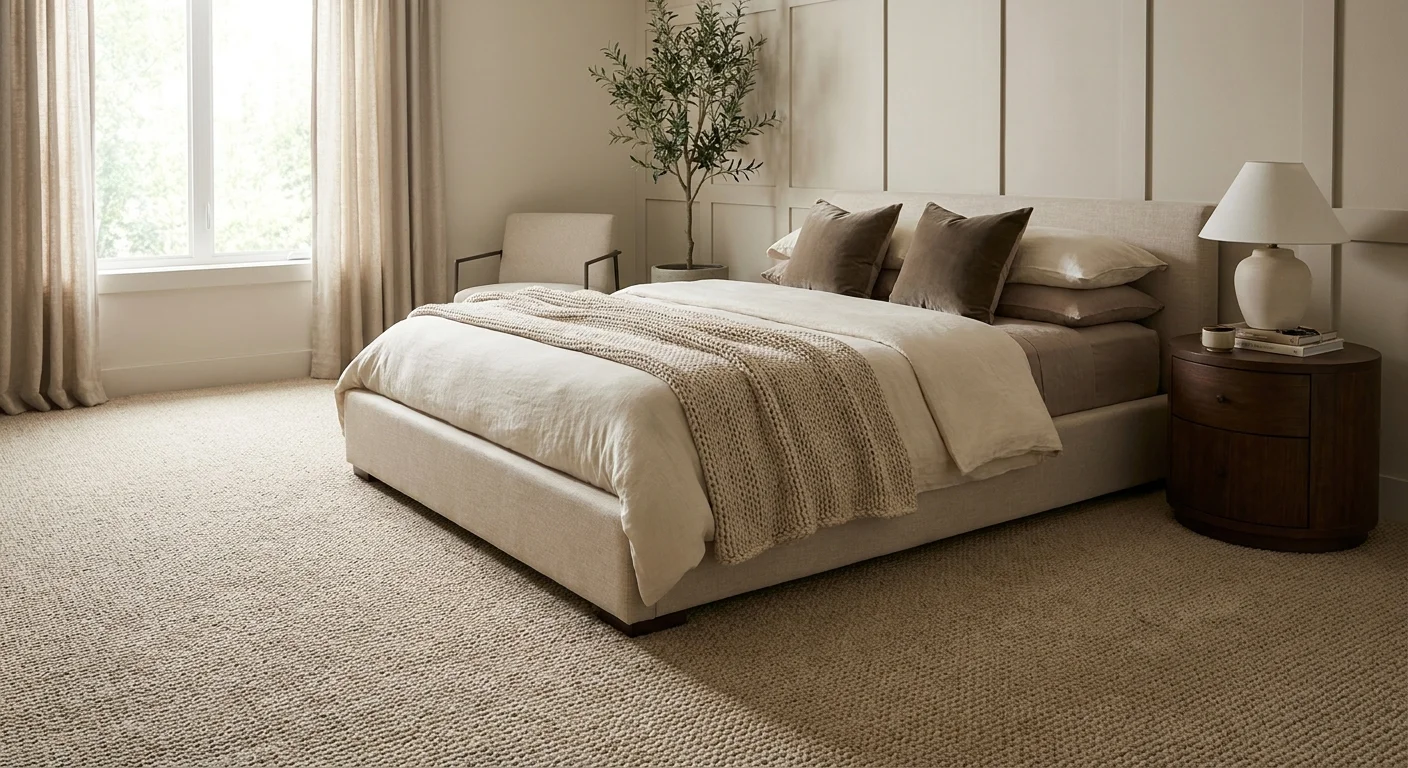
Installing new carpet can transform the look and feel of your home, offering unmatched comfort, warmth, and sound insulation. A professional carpet installation ensures a durable, aesthetically pleasing finish that enhances your living space for years to come. IAC Home Improvement specializes in expert carpet installation across New Jersey, New York, and Pennsylvania, delivering precise, high-quality results.
Why Choose Carpet for Your Home? Understanding the Benefits
Carpet remains a popular flooring choice for countless homeowners, particularly in colder climates or areas where comfort and quiet are priorities. Its unique attributes make it an excellent option for bedrooms, living rooms, and family spaces.
Comfort, Insulation, and Sound Absorption
One of carpet's most immediate benefits is its luxurious underfoot comfort. Unlike hard surfaces such as hardwood (installation labor from about $4/sqft, with the wood chosen separately) or tile (from about $13/sqft installed, standard tile included), carpet provides a soft, cushioned surface that is gentle on joints and offers a warm, inviting feel, especially during chilly mornings in Monmouth County. Beyond comfort, carpet acts as a natural insulator, helping to retain heat and potentially lowering energy bills by up to 10-12% in winter months. Its dense fibers are also highly effective at absorbing sound, reducing echoes and creating a quieter, more peaceful environment, which is particularly beneficial in multi-story homes or busy households in towns like Colts Neck or Holmdel.
Aesthetic Versatility and Style
Modern carpeting offers an incredible array of colors, patterns, and textures, allowing homeowners to express their personal style and complement any interior design scheme. From plush, deep-pile carpets that evoke luxury to durable, low-pile options perfect for high-traffic areas, the choices are vast. Whether you're aiming for a cozy, traditional look in a Red Bank living room or a sleek, contemporary feel in an Asbury Park loft, there's a carpet style to match. This versatility allows for seamless integration into various design aesthetics, often at a more accessible price point than many hard flooring alternatives.
Carpet vs. Hard Flooring: When Carpet Excels
While hard flooring options like Luxury Vinyl Plank (LVP, about $8/sqft installed with the plank included) or laminate (installation labor from $4/sqft, with the laminate chosen separately) offer distinct advantages in durability and moisture resistance, carpet shines in specific scenarios. For instance, in bedrooms, carpet provides warmth and softness that hard floors cannot replicate. It's also an excellent choice for families with young children or elderly residents, as it offers a slip-resistant surface and cushioning that can reduce the impact of falls. In entertainment rooms or home theaters, carpet's sound-absorbing qualities are invaluable for optimizing acoustics. Furthermore, for homeowners seeking a quick and affordable refresh, carpet installation, with labor starting at $3 per square foot including pad installation, can be a highly cost-effective solution compared to other flooring types.
Navigating Carpet Types and Materials
Understanding the different types of carpet and their respective materials is crucial for making an informed decision that suits your lifestyle, budget, and aesthetic preferences. Each offers unique characteristics in terms of durability, feel, and appearance.
Pile Styles: Loop, Cut, and Cut-Loop
- Loop Pile: In loop pile carpets, the yarn is looped and left uncut. This style is known for its durability and resistance to crushing, making it ideal for high-traffic areas like hallways and family rooms. Berber is a popular loop pile carpet, characterized by its distinctive large, chunky loops, often in multi-tonal flecks.
- Cut Pile: Cut pile carpets have loops that are cut, creating an upright pile. This results in a softer, more luxurious feel. Common cut pile styles include:
- Plush (Velvet): A dense, uniform cut pile that creates a smooth, formal look. It can show footprints and vacuum marks.
- Saxony: Similar to plush but with slightly longer, twisted fibers that stand upright, offering a softer texture while maintaining a formal appearance.
- Frieze: Features long, twisted fibers that curl at the surface, creating a casual, textured look that hides footprints and dirt well.
- Textured: Yarns are twisted and set at varying heights, offering a less formal look and excellent durability, making it a popular choice for busy homes.
- Cut-Loop Pile: This style combines both cut and uncut loops to create sculpted patterns and textures. It offers a unique visual appeal and good durability, often used to create subtle designs in the carpet.
Fiber Types: Nylon, Polyester, Wool, and Olefin
The material of the carpet fibers significantly impacts its performance and longevity:
- Nylon: Renowned for its exceptional durability, resilience, and stain resistance, nylon is the most popular synthetic carpet fiber. It can withstand heavy foot traffic and is an excellent choice for active households in Freehold or Long Branch.
- Polyester (PET): Offers luxurious softness, vibrant color retention, and good stain resistance, especially against water-soluble stains. It's often a more budget-friendly option than nylon but may not be as resilient to crushing in very high-traffic areas.
- Wool: A natural, luxurious fiber known for its softness, durability, and natural stain resistance. Wool is inherently flame-retardant and provides excellent insulation. However, it is typically the most expensive option.
- Olefin (Polypropylene): Highly resistant to moisture, mildew, and fading, making it suitable for indoor-outdoor carpets or basements. It's less resilient than nylon but offers good value for its durability against stains and moisture.
- Triexta: A newer synthetic fiber known for its superior stain resistance and durability, often compared to nylon but with enhanced softness.
Specialty Carpets: Stain-Resistant and Eco-Friendly Options
Beyond traditional fibers, advancements in carpet technology have led to specialized options. Many manufacturers now offer carpets with advanced stain-resistant treatments, making cleanup easier for spills and pet accidents. For environmentally conscious homeowners, eco-friendly carpets made from recycled materials (like recycled PET bottles) or natural fibers like wool and sisal are available. Look for certifications like the Carpet and Rug Institute's (CRI) Green Label Plus, which identifies carpets with low VOC (Volatile Organic Compound) emissions, contributing to better indoor air quality, an important consideration for any home improvement project.
Essential Considerations Before Installation
Proper planning and preparation are paramount for a successful carpet installation. Overlooking these critical steps can lead to premature wear, aesthetic issues, or even voided warranties.
Selecting the Right Carpet Padding
Carpet padding is not just for comfort; it plays a vital role in extending the life of your carpet. High-quality padding acts as a shock absorber, protecting the carpet fibers from the wear and tear of foot traffic. It also enhances insulation and sound absorption. Padding is typically measured by its density and thickness. For residential use, a pad with a density of 6 to 8 pounds per cubic foot and a thickness of 7/16 to 1/2 inch is generally recommended for most broadloom carpets. Using the correct padding is often a requirement for maintaining your carpet's warranty. IAC Home Improvement's experts can guide you through the best padding options for your chosen carpet and specific room usage.
Measuring and Estimating Your Project
Accurate measurement is fundamental to avoid material waste or shortages. Professional installers measure the room's dimensions, taking into account doorways, closets, and irregular shapes. They also factor in seam placement to ensure they are discreetly located and consider the carpet's "nap" or pile direction for a uniform appearance. Typically, an additional 5-10% of carpet material is ordered to account for cuts, patterns, and potential waste. At IAC Home Improvement, we provide precise measurements and transparent estimates, ensuring you understand the scope and cost of your carpet installation project. Installation labor starts at $3 per square foot, pad installation included, with the carpet and pad priced by your selection and a project minimum of $800.
Subfloor Preparation and Environmental Factors
The condition of your subfloor directly impacts the final look and longevity of your new carpet. The subfloor must be clean, dry, smooth, and structurally sound. Any loose boards, protruding nails, or significant imperfections must be repaired or leveled before installation. For concrete subfloors, a moisture test is critical to ensure there isn't excessive moisture vapor emission, which could lead to mold or mildew issues beneath the carpet. Additionally, environmental factors like room temperature and humidity should be stable (ideally between 65-80°F and 30-50% humidity) for at least 48 hours before, during, and after installation to allow the carpet to acclimate and prevent stretching or shrinking post-installation. Our team handles all necessary subfloor preparations, ensuring a perfect foundation for your new carpet.
The Professional Carpet Installation Process
While DIY carpet installation might seem appealing, the precision, specialized tools, and expertise required for a flawless finish make professional installation highly recommended. At IAC Home Improvement, we follow a meticulous process to ensure superior results for our clients across NJ, NY, and PA. For more details on our services, visit our carpet installation service page.
Pre-Installation: Furniture Removal and Old Carpet Disposal
Before our installers arrive, it's helpful if homeowners remove small, fragile items and clear out closets. Our team will handle the heavy lifting, carefully moving furniture out of the installation area. If old carpeting is present, we will efficiently remove it (removal is quoted separately), along with the existing padding and tack strips. We also manage the responsible disposal of old materials, ensuring your home in the Jersey Shore area or anywhere else is clean and ready for its transformation.
Precision Laying and Stretching Techniques
Once the subfloor is prepped and new tack strips are secured around the room's perimeter, the padding is laid and stapled into place. Then, the new carpet is unrolled, cut to size, and carefully positioned. This stage requires significant skill, especially when dealing with patterns or multiple pieces that need seaming. Our installers use specialized tools, most notably a power stretcher, to ensure the carpet is pulled taut and evenly stretched across the entire room. Proper stretching is crucial to prevent wrinkles, ripples, and premature wear, ensuring the carpet lies flat and smooth for its entire lifespan. This is a key difference between professional and amateur installations.
Finishing Touches: Seaming, Trimming, and Cleanup
When multiple pieces of carpet are required, professional seaming techniques are employed to create virtually invisible joins. Using heat-activated seam tape and specialized tools, our experts meticulously blend the carpet edges, making sure the pattern and pile align perfectly. After the carpet is fully stretched and seamed, excess material is precisely trimmed along the walls and around doorways. Finally, our team conducts a thorough cleanup, removing all installation debris and vacuuming the newly installed carpet, leaving your space in towns like Asbury Park or Long Branch ready for immediate enjoyment. Our commitment to cleanliness and attention to detail is part of the IAC Home Improvement promise.
Maintaining Your New Carpet for Lasting Beauty
Proper care and maintenance are essential for preserving the appearance and extending the life of your new carpet. Following a consistent cleaning regimen will protect your investment and keep your home looking fresh.
Routine Cleaning and Spot Treatment
Regular vacuuming is the most important step in carpet maintenance. For optimal results, vacuum high-traffic areas 2-3 times a week and less-used areas at least once a week. Use a vacuum cleaner with strong suction and a rotating brush for cut pile carpets, or a suction-only setting for loop pile carpets like Berber to prevent snagging. For spills, immediate spot treatment is crucial. Always blot, never rub, the stain with a clean white cloth. Use a mild, pH-neutral carpet cleaner, testing it first on an inconspicuous area. Acting quickly can prevent most spills from becoming permanent stains.
Professional Cleaning Recommendations
Even with diligent routine cleaning, carpets accumulate dirt, allergens, and grime deep within their fibers. The Carpet and Rug Institute (CRI) recommends professional deep cleaning every 12 to 18 months, or more frequently for homes with pets, children, or heavy traffic. Professional hot water extraction (steam cleaning) effectively removes embedded dirt without damaging the carpet fibers. This process not only revitalizes your carpet's appearance but also contributes to a healthier indoor environment by removing allergens and pollutants. IAC Home Improvement can recommend trusted professional cleaning services in your local area, from Monmouth County to across NJ, NY, and PA.
Extending Carpet Lifespan and Warranty Adherence
Beyond cleaning, several practices can extend your carpet's lifespan. Use walk-off mats at entryways to trap dirt and moisture, rotate furniture periodically to prevent excessive wear in specific spots, and use furniture glides under heavy items to prevent crushing. Always refer to your carpet manufacturer's warranty for specific care instructions and requirements. Many warranties require professional cleaning at regular intervals and specify approved cleaning methods. Adhering to these guidelines, along with the initial professional installation from a trusted company like IAC Home Improvement, ensures your carpet will look great and perform well for its full expected lifespan, often ranging from 5 to 20 years depending on the fiber and quality.
Why Choose IAC Home Improvement for Your Carpet Project in NJ, NY, PA?
When it comes to enhancing your home with new carpet, you need a partner you can trust. IAC Home Improvement stands out as a premier full-service home improvement and construction company dedicated to quality, reliability, and customer satisfaction across New Jersey, New York, and Pennsylvania.
Our Expertise and Comprehensive Services
With a 5.0-star rating based on over 100 Google reviews, IAC Home Improvement brings unparalleled expertise to every project. Our skilled team of installers is highly trained in the latest carpet installation techniques, ensuring a flawless finish every time. But our capabilities extend far beyond flooring. As a full-service contractor, we can handle virtually any aspect of your home renovation. Whether you're planning a complete kitchen remodel (typically $17,000-$45,000), a bathroom renovation ($9,000-$25,000), interior or exterior painting (starting at $6-$11 per square foot), custom carpentry, deck construction (complete composite deck packages from about $16,000), masonry, concrete, paver work, or even landscaping, we are your single, trusted point of contact. This comprehensive approach means you don't have to juggle multiple contractors for your home needs in areas like Asbury Park or Freehold.
Seamless Project Management from Start to Finish
We understand that home improvement projects can be daunting. That's why IAC Home Improvement offers seamless, end-to-end project management. From the initial consultation and precise measurement to material selection, expert installation, and final cleanup, we manage every detail. Our goal is to make the process as stress-free as possible for you, ensuring timely completion and adherence to your budget. We pride ourselves on clear communication and transparency throughout the entire journey, whether you're in Long Branch, a suburb of Philadelphia, or upstate New York. For a closer look at our carpet services, please visit our dedicated page: IAC Carpet Installation.
Commitment to Quality and Customer Satisfaction
Our reputation is built on delivering exceptional quality and ensuring every client is delighted with the results. We use only high-quality materials and employ proven installation methods to ensure your new carpet not only looks fantastic but also performs beautifully for years to come. We are fully licensed in New Jersey (NJ License #13VH13143000) and Pennsylvania (PA License #PA188007), providing you with peace of mind and assurance of professional standards. When you choose IAC Home Improvement, you're choosing a partner committed to transforming your house into the home of your dreams. Contact us today for a free consultation at (848) 358-7694 or email us at contact@iachomeimprovement.com. Let us be your trusted contractor for all your flooring and home improvement needs.
Frequently Asked Questions About Carpet Installation
How long does carpet installation typically take?
The duration of carpet installation depends on the size and complexity of the area. For an average-sized room (around 12x15 feet), installation can often be completed within half a day. For multiple rooms or an entire floor, it typically takes 1-2 full days. Factors like furniture moving, old carpet removal, and subfloor preparation can add to the timeline.
What is the average cost of carpet installation per square foot in NJ?
At IAC Home Improvement, carpet installation labor starts at $3 per square foot, including pad installation. The carpet and pad themselves are priced by your selection, old carpet removal is quoted separately, stairs are quoted per staircase, and projects start at $800. Final costs can vary based on carpet type, subfloor condition, and project complexity.
Can I install carpet myself, or should I hire a professional?
While DIY carpet installation is possible, it is highly recommended to hire a professional. Proper carpet installation requires specialized tools like power stretchers, knee kickers, and seaming irons, along with specific techniques to ensure the carpet is taut, seamless, and correctly fitted. Professional installation prevents common issues like wrinkles, premature wear, and voided warranties, ensuring a long-lasting and aesthetically pleasing result.
How soon can I walk on my newly installed carpet?
You can typically walk on your newly installed carpet immediately after the installation is complete. However, it's advisable to allow at least 24 hours before moving heavy furniture back into the room to give the carpet and any seam adhesives ample time to set and cure properly. This helps prevent shifting or damage to the fresh installation.
Authoritative resource: The Carpet and Rug Institute.