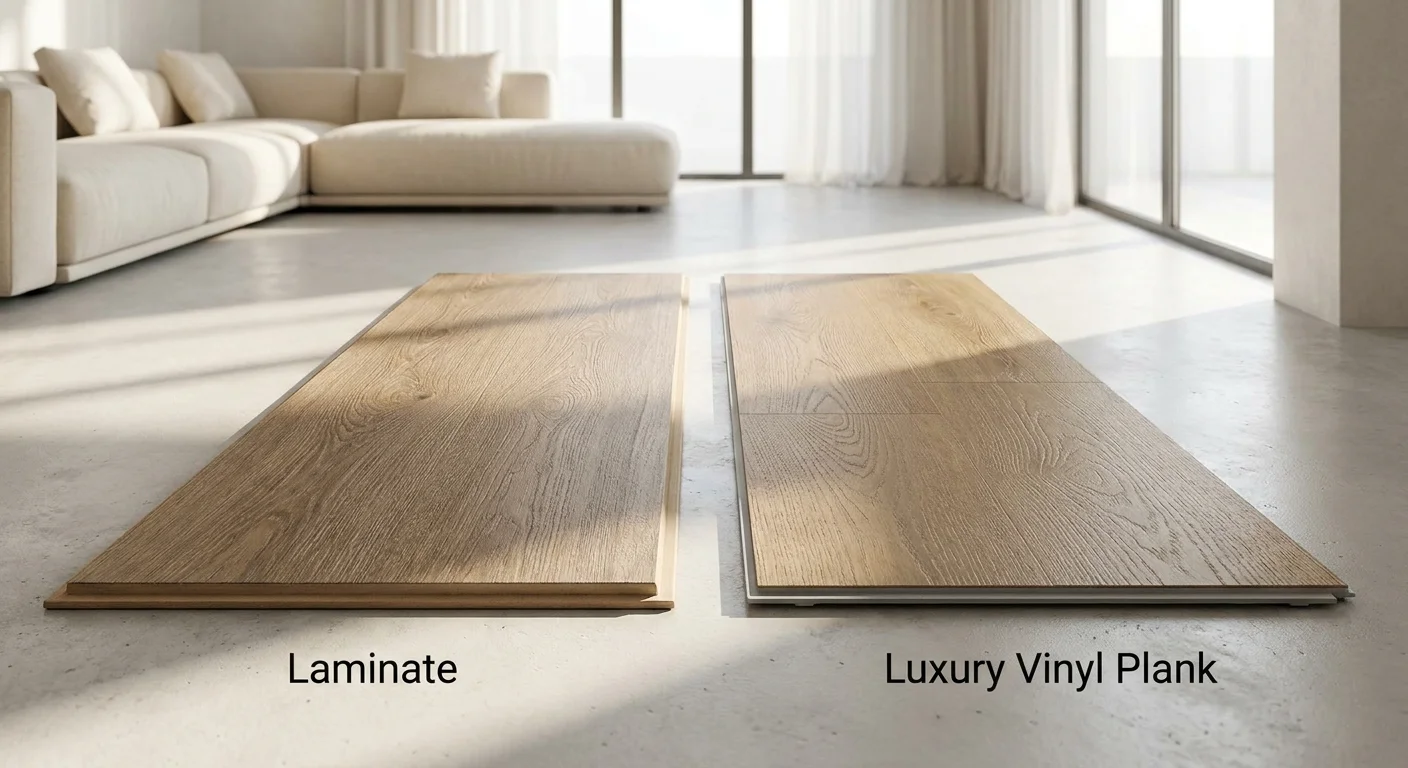
Choosing between laminate and vinyl flooring is a common dilemma for homeowners across New Jersey, New York, and Pennsylvania, as both offer compelling alternatives to traditional hardwood. In essence, laminate flooring excels in replicating the look of real wood with a rigid, dent-resistant surface, making it ideal for dry, high-traffic areas. Vinyl flooring, particularly luxury vinyl plank (LVP) and luxury vinyl tile (LVT), stands out for its superior water resistance, flexibility, and comfort underfoot, making it the go-to choice for moisture-prone spaces like bathrooms and basements.
Understanding the Basics: What Are Laminate and Vinyl Flooring?
Before diving into the comparisons, it's crucial to understand what each flooring type is made of and how it’s constructed. Their fundamental compositions dictate their performance, durability, and aesthetic qualities.
What is Laminate Flooring?
Laminate flooring is a synthetic multi-layer product engineered to simulate the appearance of wood or stone. Its core is typically made from high-density fiberboard (HDF) or medium-density fiberboard (MDF), a wood-composite material. Above this core is a high-resolution photographic layer that provides the visual design, topped by a transparent, protective wear layer. On the bottom, a backing layer provides structural stability and moisture resistance. This layered construction makes laminate rigid and resistant to scratches and dents, a great option for busy households in towns like Freehold or Holmdel.
What is Vinyl Flooring?
Vinyl flooring, specifically its modern iterations like LVP (Luxury Vinyl Plank) and LVT (Luxury Vinyl Tile), is a fully synthetic product primarily composed of polyvinyl chloride (PVC). It consists of several layers: a durable backing, a resilient core (often WPC - wood plastic composite or SPC - stone plastic composite for enhanced stability), a high-definition print layer for aesthetics, and a clear wear layer. Unlike traditional sheet vinyl, LVP and LVT come in planks or tiles that mimic wood or stone, offering greater design flexibility and ease of installation. Its inherent flexibility and water resistance make it a popular choice for homes along the Jersey Shore, from Asbury Park to Long Branch.
Key Differences in Composition and Construction
The core material and overall construction are the primary differentiators between laminate and vinyl, directly impacting their suitability for various environments and their long-term performance.
Core Material Matters
The core is the heart of each flooring type. Laminate's HDF/MDF core is wood-based, making it susceptible to swelling and warping when exposed to significant moisture. While advancements have improved moisture resistance, it's generally not considered waterproof. In contrast, vinyl's PVC-based cores (especially WPC and SPC) are inherently waterproof, meaning they won't swell or degrade when submerged in water. This makes vinyl a superior choice for areas prone to spills or high humidity, such as basements or bathrooms in Monmouth County homes.
Layer by Layer: How They're Built
Both flooring types feature multiple layers, but their composition differs. Laminate relies on its rigid, wood-composite core for stability and its top wear layer for abrasion resistance, often rated by the AC (Abrasion Class) scale (e.g., AC3 for residential use, AC4 for commercial). Vinyl, particularly LVP, achieves its durability through a thicker, more resilient wear layer (measured in mil, typically 6 mil to 28 mil), which offers excellent resistance to scratches and scuffs. The design layer in both uses advanced printing techniques, but vinyl often incorporates embossing for a more realistic texture.
Dimensional Stability and Flexibility
Laminate's rigid, wood-based core makes it less flexible and more prone to expansion and contraction with changes in temperature and humidity, requiring expansion gaps during installation. Vinyl, especially LVP/LVT, is more flexible and dimensionally stable, particularly those with SPC (Stone Plastic Composite) cores, which are highly resistant to temperature fluctuations. This stability reduces concerns about gapping or buckling, even in environments with varying climates like those found across NJ, NY, and PA.
Durability, Water Resistance, and Performance
When considering new flooring for your home, especially if you have an active family or pets, understanding how each material stands up to daily life, moisture, and wear is paramount.
Water and Moisture: A Critical Distinction
This is arguably the most significant difference. Traditional laminate flooring is not waterproof. Its HDF/MDF core can absorb water, leading to swelling, buckling, and irreversible damage. While some newer laminate products offer enhanced water resistance with specialized coatings or core materials, they are generally not recommended for areas with standing water or high humidity. Vinyl flooring, however, is inherently waterproof. LVP and LVT can withstand spills, splashes, and even minor flooding without damage to the core, making them ideal for kitchens, bathrooms, laundry rooms, and basements, particularly useful for homes in flood-prone areas or those near the ocean, such as along the Jersey Shore.
Wear and Tear: Scratch, Dent, and Scuff Resistance
Both laminate and vinyl offer good resistance to daily wear, but in different ways. Laminate's rigid wear layer, often rated AC3 or AC4 for residential use, provides excellent protection against scratches and dents from falling objects. However, its print layer can be susceptible to fading in direct sunlight over long periods. Vinyl's wear layer, measured in mil (e.g., 20 mil is a common robust option), is highly resilient against scratches, scuffs, and pet claws. The flexibility of vinyl can also make it more forgiving against impacts. For pet owners in Colts Neck or Red Bank, a high-mil wear layer on LVP is often a wise investment.
Comfort and Sound
Laminate flooring, due to its rigid core, can feel harder underfoot and produce more sound when walked upon. An underlayment is often essential to provide cushioning, improve thermal insulation, and reduce ambient noise. Vinyl, being softer and more flexible, offers a more comfortable feel underfoot and naturally absorbs some sound. Many LVP/LVT products come with an attached underlayment, further enhancing comfort and acoustic properties. This can be a significant advantage in multi-story homes or busy family rooms where noise reduction is desired.
Aesthetics and Realism: Which Looks More Like Real Wood?
The visual appeal of your flooring plays a huge role in your home's overall aesthetic. Both laminate and vinyl have made incredible strides in replicating natural materials.
Visual Authenticity and Texture
Laminate flooring has long been praised for its ability to mimic the look of real hardwood, often featuring highly detailed photographic layers and embossed-in-register (EIR) textures that align with the wood grain. This creates a remarkably authentic visual and tactile experience. Vinyl, especially high-end LVP, also achieves stunning realism through advanced printing technologies and deep embossing, replicating not just wood but also natural stone and ceramic tile with incredible accuracy. Many modern LVP products include micro-bevels or painted bevels to further enhance the plank definition, making it difficult to distinguish from genuine wood or tile.
Design Versatility and Styles
Both flooring types offer a vast array of design options. Laminate typically focuses on hardwood species replication, from classic oak and maple to exotic woods, in various finishes and plank widths. Vinyl takes versatility a step further, perfectly mimicking not only countless wood species and finishes but also natural stone, concrete, and even abstract patterns. With LVT, homeowners can achieve the look of ceramic or porcelain tile, complete with realistic grout lines, without the coldness or hardness of actual tile. This immense flexibility allows for personalized designs, whether you're aiming for a rustic farmhouse look in Freehold or a sleek, modern aesthetic in Jersey City.
Installation, Maintenance, and Longevity
Understanding the practical aspects of installing and maintaining your new floor is crucial for long-term satisfaction and budgeting.
Installation Process: DIY vs. Professional
Both laminate and LVP/LVT are primarily installed as floating floors using a click-lock system, making them popular choices for DIY enthusiasts. This method doesn't require adhesive and allows the floor to expand and contract as a single unit. However, proper subfloor preparation is critical for both; the subfloor must be clean, dry, and level (typically within 1/8 inch over a 10-foot span) to prevent issues like gapping or an uneven feel. While DIY is possible, professional installation ensures a flawless finish, especially for larger areas or complex layouts. IAC Home Improvement offers expert laminate flooring installation and vinyl flooring solutions across NJ, NY, and PA, ensuring your project is handled with precision and care.
Cleaning and Care
Both laminate and vinyl are celebrated for their low maintenance requirements. Regular sweeping or vacuuming (without a beater bar) is usually sufficient to remove dirt and debris. For deeper cleaning:
- Laminate: Use a slightly damp mop or a laminate-specific cleaner. Avoid excessive water, as it can seep into the core and cause damage.
- Vinyl: Can be wet-mopped with mild detergent and water, making it incredibly easy to clean and sanitize, especially in kitchens or bathrooms.
Always use felt pads under furniture legs and avoid abrasive cleaners to protect the wear layer of either flooring type.
Lifespan and Warranties
The longevity of both laminate and vinyl flooring depends heavily on quality, installation, and maintenance. High-quality laminate can last 15-25 years, often backed by a 10-25 year warranty. Premium LVP/LVT can last even longer, with many manufacturers offering 20-30 year residential warranties, and some even lifetime warranties for residential use. Factors like wear layer thickness (for vinyl) and AC rating (for laminate) directly correlate with expected lifespan. Investing in a higher-grade product from a reputable brand, installed professionally, will maximize your floor's lifespan and value.
Cost Comparison and Value Proposition
Budget is a significant factor in any home improvement project. Understanding the material and installation costs, as well as the long-term value, helps in making an informed decision.
Material and Installation Costs
Generally, both laminate and vinyl are more budget-friendly than traditional hardwood flooring. Here's a general breakdown of costs from IAC Home Improvement in the NJ/NY/PA area:
- Laminate Flooring: The laminate itself typically runs $1.50 to $3.00 per square foot on the market, and you choose it separately. Our professional installation labor starts at $4 per square foot, and laminate projects start at $1,300.
- Vinyl Flooring (LVP): Luxury vinyl plank runs about $8 per square foot installed, all-inclusive, with the vinyl plank, installation and shoe molding covered. If you already bought your flooring (vinyl material alone typically runs $2.00 to $5.00 per square foot, depending on the wear layer and core type), installation-only service starts at $4 per square foot. Vinyl projects start at $1,300.
While vinyl can be slightly more expensive upfront, especially for premium waterproof options with thick wear layers (20 mil+), its superior water resistance and durability in certain environments can offer greater long-term value. For reference, a tile floor with IAC starts at about $13/sqft installed with standard porcelain or ceramic tile included (projects from $1,500), and carpet installation labor starts at $3/sqft including pad installation, with the carpet and pad priced by your selection (projects from $800).
Long-Term Investment and Resale Value
Both laminate and vinyl can enhance a home's appeal and functionality, contributing to its resale value. While neither typically adds as much value as genuine hardwood, their durability, ease of maintenance, and attractive aesthetics make them strong selling points. For families in towns like Red Bank or Holmdel planning to stay in their homes for many years, the comfort and low maintenance of these floors offer excellent daily value. For those considering a full home transformation, remember that IAC Home Improvement is a full-service construction company, handling everything from kitchen remodels ($17K-$45K) and bathroom renovations ($9K-$25K) to interior painting ($6-$11/sqft), composite decks (complete Trex Enhance and Fiberon Regency packages from about $16,000 for a 200 sq ft deck), and more, ensuring a cohesive and high-quality upgrade across your entire property.
Making the Right Choice: Best Applications for Your Home
The ultimate decision between laminate and vinyl comes down to your specific needs, lifestyle, and the intended use of each room.
Ideal Rooms for Laminate
Laminate flooring is an excellent choice for dry areas of your home where you desire the look of real wood without the higher cost or maintenance of hardwood. It performs exceptionally well in:
- Living Rooms and Dining Rooms: High traffic, but generally dry.
- Bedrooms: Offers warmth and style.
- Hallways and Entryways (if not directly exposed to moisture): Durable against foot traffic.
- Home Offices: Provides a professional and comfortable environment.
Its dent and scratch resistance make it a practical option for active family areas that don't regularly encounter significant moisture.
Ideal Rooms for Vinyl
Vinyl flooring, particularly LVP/LVT, truly shines in moisture-prone and high-traffic areas where its waterproof properties are a major advantage. Consider vinyl for:
- Kitchens: Resists spills and splashes with ease.
- Bathrooms: Impervious to humidity and water.
- Basements: A perfect solution for areas susceptible to moisture or potential leaks, common in many older homes across New Jersey and Pennsylvania.
- Laundry Rooms and Mudrooms: Withstands water, dirt, and heavy use.
- Homes near the Jersey Shore (e.g., Long Branch, Asbury Park): Excellent for resisting humidity and potential moisture from beach-goers.
Its comfort underfoot and sound-dampening qualities also make it a great choice for playrooms or family dens.
Considering Your Lifestyle and Budget
When making your final decision, reflect on your household's unique needs. Do you have pets or young children? Is your home prone to humidity or spills? What's your overall renovation budget? If water resistance is your top priority and you're looking for a softer, quieter floor, vinyl is likely the better choice. If you prioritize a highly realistic wood look with superior dent resistance in dry areas and have a slightly tighter budget, laminate might be your ideal fit. No matter your decision, IAC Home Improvement is here to guide you through the selection and installation process, ensuring you get the perfect flooring for your Central New Jersey, NY, or PA home. Contact us today at (848) 358-7694 or email contact@iachomeimprovement.com. We're a 5.0-rated company with 100+ Google reviews, holding NJ License #13VH13143000 and PA License #PA188007.
Frequently Asked Questions
Is laminate or vinyl flooring better for pet owners?
For pet owners, luxury vinyl plank (LVP) is generally the better option. Its superior water resistance makes it impervious to accidents, and its robust wear layer (often 20 mil or higher) provides excellent scratch and scuff resistance against claws. While laminate is scratch-resistant, it's vulnerable to moisture from spills or pet accidents.
Can I install laminate or vinyl flooring over existing tile?
Yes, both laminate and vinyl flooring can often be installed over existing tile, provided the tile subfloor is completely flat, clean, and structurally sound. For laminate, an underlayment is usually required. For vinyl, especially thicker LVP/LVT with an attached underlayment, it can be floated directly over the tile. However, any unevenness in the existing tile will telegraph through, so professional assessment is recommended.
How long does laminate or vinyl flooring typically last?
High-quality laminate flooring can last 15-25 years with proper care and maintenance. Luxury vinyl plank (LVP) and luxury vinyl tile (LVT) often have a similar or even longer lifespan, typically ranging from 20-30 years, with some premium products offering lifetime residential warranties. The lifespan depends heavily on the quality of the wear layer, installation, and the amount of foot traffic it endures.
What's the best way to clean and maintain my new floor?
For both laminate and vinyl, regular sweeping or vacuuming (without a beater bar) is essential to remove dirt and grit. For laminate, use a damp mop or a laminate-specific cleaner, avoiding excessive water. For vinyl, you can safely wet-mop with a mild, pH-neutral cleaner. Always use felt pads under furniture, clean spills promptly, and avoid abrasive cleaners or steam mops, which can damage the finish.
Authoritative resource: This Old House.