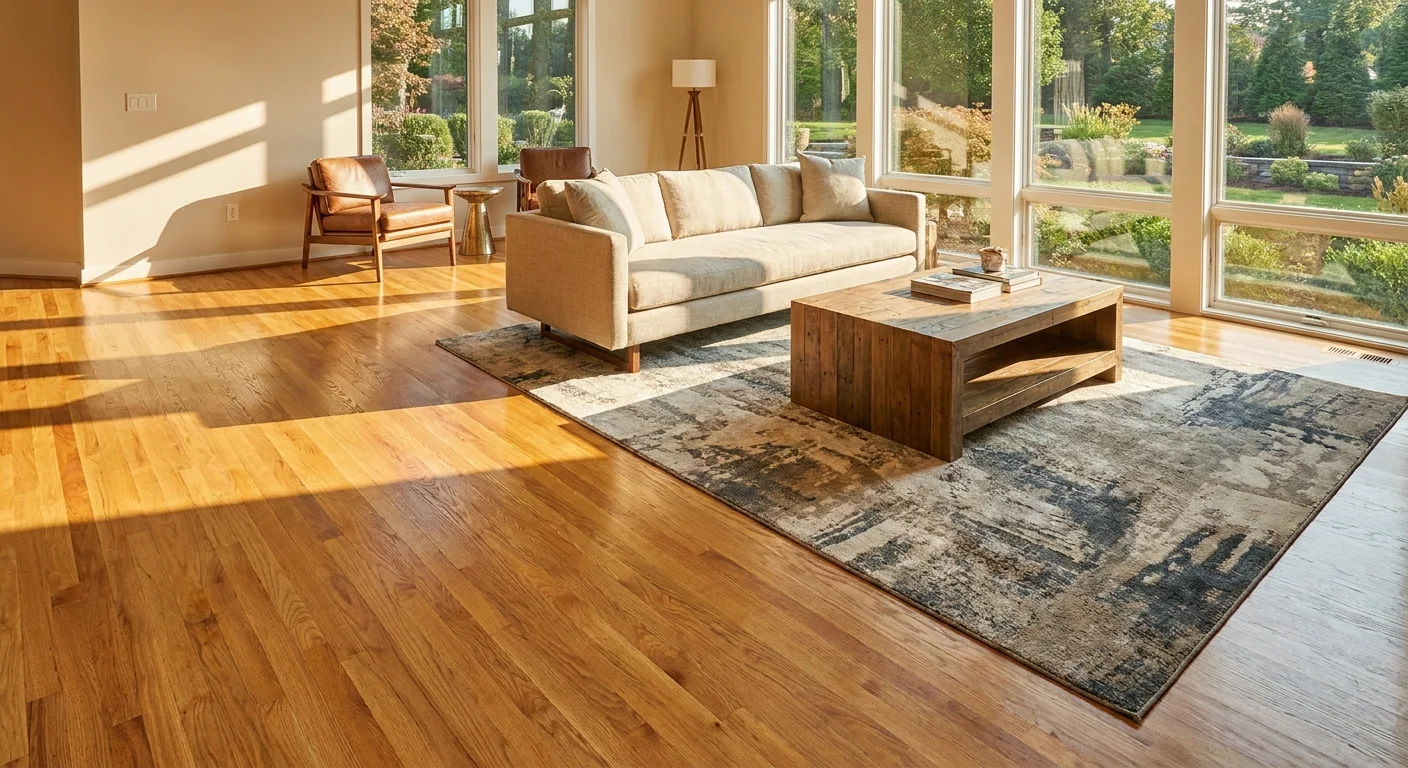
Hardwood floors are one of the most valuable features in any home. Over time, though, even the highest-quality hardwood loses its luster. Scratches accumulate, the finish wears thin, and that once-beautiful golden sheen starts to fade. For homeowners across New Jersey, New York, and Pennsylvania, hardwood floor refinishing is one of the smartest investments you can make, restoring beauty, protecting your wood, and boosting your home's resale value.
At IAC Home Improvement, we've refinished thousands of hardwood floors throughout Monmouth County, the Jersey Shore, and the greater tri-state area. In this guide, we'll share professional refinishing tips, walk you through the process, and help you decide whether it's time to bring your floors back to life.
Signs Your Hardwood Floors Need Refinishing
Not sure if your hardwood floors are ready for refinishing? Here are the key signs that it's time to call a professional:
- Visible scratches and scuff marks: Surface-level scratches are normal, but when they become widespread and deep enough to catch your fingernail, the protective finish has worn through.
- Dull, faded appearance: If your floors look gray or washed out even after cleaning, the polyurethane finish has likely deteriorated.
- Water damage or staining: Dark spots, white rings from moisture, or areas where water no longer beads on the surface all indicate compromised finish.
- Uneven color or sun bleaching: Prolonged sun exposure causes uneven fading, especially near windows and sliding doors (a common issue in Long Branch and Asbury Park beach homes).
- Splintering or rough texture: When the wood itself feels rough or starts to splinter, refinishing is urgent to prevent further damage.
- The floor is more than 7-10 years old: Even well-maintained hardwood floors typically need refinishing every 7 to 10 years, depending on foot traffic and maintenance.
If you notice two or more of these signs, your floors are good candidates for professional refinishing. The good news? Refinishing costs a fraction of full replacement and can make your floors look brand new.
How to Prepare for Hardwood Floor Refinishing
Proper preparation is crucial for a successful refinishing project. Whether you're hiring a professional team like IAC's hardwood refinishing specialists or considering a DIY approach, these preparation steps will ensure the best results:
1. Clear the Room Completely
Remove all furniture, area rugs, curtains, and wall decorations from the rooms being refinished. Even small items left behind can cause problems during sanding. For larger homes in Red Bank, Holmdel, or Colts Neck, plan to stage furniture in your garage or a spare room.
2. Deep Clean the Floors
Sweep, vacuum, and mop thoroughly. Remove any adhesive residue, tape, or debris. The cleaner the surface before sanding, the smoother the final result.
3. Fix Any Loose Boards or Nails
Walk the entire floor and note any squeaky spots, loose boards, or protruding nails. These should be repaired before sanding begins. Popped nails can damage sanding equipment and leave imperfections.
4. Plan Your Living Arrangements
Professional refinishing typically takes 3 to 5 days, including drying time. You'll need to stay off the floors during this period. Plan to use alternate entrances and keep pets and children away from the work area. The dust and fumes from sanding and finishing require proper ventilation.
5. Check Your HVAC and Ventilation
Close HVAC vents in the refinishing area to prevent dust from spreading throughout your home. Open windows when weather permits. This is especially important during New Jersey's humid summer months, when proper airflow helps finishes cure correctly.
The Hardwood Floor Refinishing Process: Step by Step
Understanding the refinishing process helps you know what to expect and why professional results differ dramatically from DIY attempts. Here's how our team at IAC approaches every refinishing project:
Step 1: Sanding
This is the most critical and labor-intensive step. Professional-grade drum sanders and edgers remove the old finish and a thin layer of wood, revealing fresh grain underneath. We typically make three passes with progressively finer grits (36, 60, and 100) to achieve a perfectly smooth surface. Hardwood floor sanding tips from our team: always sand with the grain, never across it, and ensure consistent pressure to avoid dips or waves.
Step 2: Detail Work and Edging
Corners, closets, and edges that the drum sander can't reach require specialized edging equipment and hand sanding. This detail work separates professional results from amateur ones.
Step 3: Vacuuming and Tack Cloth
After sanding, every particle of dust must be removed. We vacuum the entire floor multiple times and follow up with tack cloths to ensure a dust-free surface. Even tiny particles can create bumps under the finish.
Step 4: Staining (Optional)
If you want to change the color of your floors, stain is applied after sanding. We offer the complete DuraSeal stain collection with 37 colors ranging from natural tones like Golden Oak and Provincial to dramatic options like Ebony and True Black. Stain needs 24 hours to dry before finishing.
Step 5: Applying the Finish
We apply two to three coats of polyurethane finish, with light sanding (called screening) between each coat. Homeowners can choose between:
- Oil-based polyurethane: Richer amber tone, extremely durable, but stronger odor and longer dry time (24 hours between coats).
- Water-based polyurethane: Crystal clear appearance, low odor, faster drying (2-4 hours between coats), and environmentally friendlier.
- Matte, satin, or semi-gloss sheen: Satin is the most popular choice among our Central NJ clients, offering a natural look with moderate shine.
Step 6: Curing
After the final coat, floors need 24-48 hours before light foot traffic (socks only) and 7-14 days before moving furniture back and placing area rugs. Water-based finishes cure faster, which is why many New Jersey homeowners prefer them for occupied homes.
DIY vs Professional Refinishing: What NJ Homeowners Should Know
With rental sanders available at most hardware stores, many homeowners consider tackling refinishing themselves. Here's an honest comparison:
When DIY Makes Sense
- Small area (single room under 200 sq ft)
- You have experience with power tools
- Floors are in relatively good condition (light scratches only)
- Budget is extremely tight
When You Should Hire a Professional
- Multiple rooms or open floor plans
- Deep scratches, water damage, or uneven boards
- You want to change the stain color
- Your home has older hardwood (pre-1970s) that may contain lead paint
- You need the project completed quickly and correctly the first time
The reality is that refinishing hardwood floors is hard to do well without experience. Uneven sanding creates visible waves, wrong stain application causes blotchiness, and improper finishing leads to peeling within months. Professional refinishing costs more upfront but saves money long-term by avoiding costly mistakes and ensuring results that last 7-10 years.
Can You Refinish Hardwood Floors Without Sanding?
For floors with minor surface wear and no deep scratches, a screen and recoat (also called buff and coat) is an alternative to full sanding. This process lightly abrades the existing finish and applies a new topcoat. It's faster, less dusty, and typically costs less than full refinishing. However, it only works if the existing finish is intact. It won't fix deep scratches, stains, or color changes.
How Much Does Hardwood Floor Refinishing Cost in New Jersey?
Refinishing costs in the NJ, NY, and PA tri-state area vary based on several factors:
| Service | Typical Price |
|---|---|
| Sand & refinish, with or without a stain change (sanding, stain, finish and labor included) | $2 to $4 per sq ft |
| Refinishing project minimum | $1,600 |
| Screen & recoat | Quoted per project |
| Stair refinishing | $50 - $80 per step |
For a typical 1,000 sq ft home in Monmouth County or Freehold, a complete sand, stain, and refinish job typically lands between about $2,000 and $4,000. That estimate includes all labor and materials, because IAC's refinishing pricing is all-inclusive with no hidden fees, and smaller jobs start at the $1,600 project minimum.
Factors that affect cost include floor condition, number of coats needed, type of stain, accessibility of the area, and whether repairs are needed before sanding.
Choosing the Right Stain Color for Your Hardwood Floors
Selecting the perfect stain color is one of the most exciting parts of refinishing. The right color can completely transform your home's aesthetic. Here are our top recommendations for 2026:
Trending Stain Colors
- Natural / unstained: Letting the wood's natural beauty shine through is increasingly popular, especially on White Oak. Clean, Scandinavian-inspired, and timeless.
- Classic Gray and Weathered Oak: Cool-toned grays continue to trend in modern NJ homes, pairing beautifully with white and navy interiors.
- Jacobean and Dark Walnut: Rich, warm browns that add depth and sophistication. A perennial favorite in traditional Monmouth County homes.
- Special Walnut: A versatile medium brown that works with virtually any decor style. It is our most requested stain across all projects.
- Ebony and True Black: Bold and contemporary. Stunning in modern open-concept spaces but requires more maintenance to keep looking pristine.
Tips for Choosing Your Stain
- Test on your actual floor. Colors look different on different wood species and in different lighting. We always apply test patches in your home before committing.
- Consider your room's lighting. North-facing rooms with less natural light benefit from lighter stains, while sun-drenched rooms can handle darker tones.
- Think about maintenance. Very dark and very light floors show dust, scratches, and pet hair more than medium tones.
- Match your lifestyle. Homes with kids and pets do well with medium-toned, satin-finish floors that hide everyday wear.
Explore the full range of stain options in our Stain Gallery, featuring all 37 DuraSeal colors on both White Oak and Red Oak.
Should You Paint Before or After Refinishing Hardwood Floors?
This is one of the most common questions we hear from homeowners planning a renovation. The answer: always paint first, then refinish your floors.
Here's why:
- Paint drips and splatters are inevitable, even with careful masking. Sanding removes any paint that lands on the floor.
- Baseboards and trim should be painted before floor finishing so the polyurethane creates a seamless seal where the floor meets the trim.
- The sanding dust needs to be cleaned up anyway, and any dust on freshly painted walls can be wiped down easily.
If you're also planning an interior painting project, coordinate both projects for the best results. Our team at IAC handles both flooring and painting, making it easy to schedule everything in the right order.
Ready to Transform Your Hardwood Floors?
Ready to transform your hardwood floors? Get a free refinishing estimate from IAC Home Improvement. We serve homeowners across New Jersey, New York, and Pennsylvania with professional-quality results backed by years of experience.
Call us: (848) 358-7694
Email: contact@iachomeimprovement.com
Licensed: NJ #13VH13143000 · PA #188007
Rated: 5.0/5 with 100+ five-star Google reviews
Frequently Asked Questions
How long does hardwood floor refinishing take?
A typical refinishing project takes 3-5 days from start to finish, including sanding, staining, and applying 2-3 coats of finish with drying time between each coat.
Can I stay in my home during refinishing?
Yes, but you'll need to avoid the rooms being worked on. Water-based finishes produce less odor, making it easier to stay in the home. We recommend keeping windows open for ventilation.
How often should hardwood floors be refinished?
Every 7-10 years for most homes. High-traffic areas like hallways and kitchens may need attention sooner. A screen and recoat every 3-5 years can extend the life of your finish.
What's the difference between refinishing and resurfacing?
They're the same thing. Both terms refer to sanding down the existing finish, optionally applying new stain, and sealing with fresh polyurethane coats.
Authoritative resource: National Wood Flooring Association.