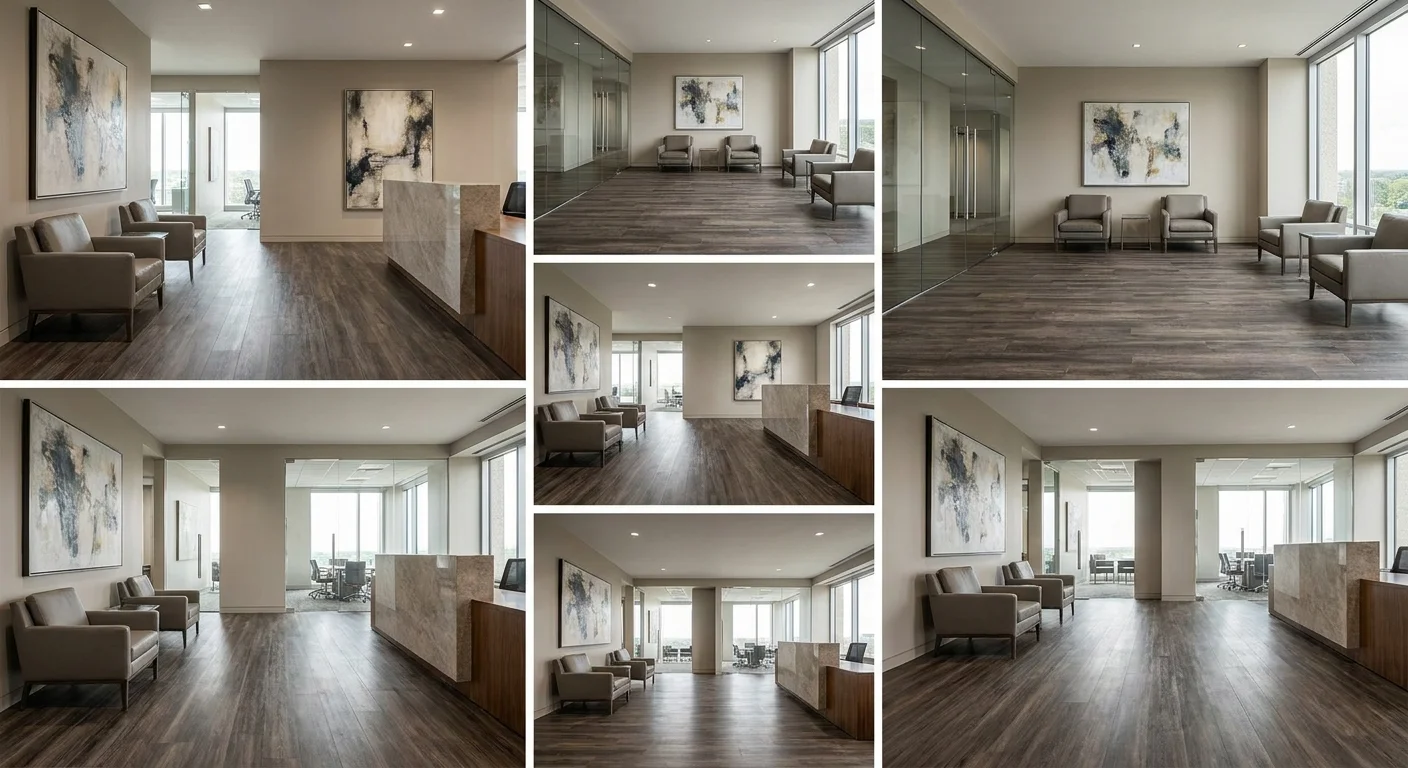
Choosing the right commercial flooring is a critical decision for any business owner in New Jersey, New York, or Pennsylvania. It’s not just about aesthetics; commercial flooring must withstand heavy traffic, meet specific performance requirements, and contribute to a safe, productive, and inviting environment for employees and customers alike. IAC Home Improvement specializes in providing robust, high-performance commercial flooring solutions tailored to the unique demands of businesses across the tri-state area.
Understanding Commercial Flooring: Beyond Aesthetics
Commercial flooring is a foundational element that significantly impacts a business's operational efficiency, safety, and brand perception. Unlike residential applications, commercial spaces face constant wear and tear, necessitating materials and installation methods designed for extreme durability and longevity.
Commercial vs. Residential: Built for Different Demands
The primary distinction between commercial and residential flooring lies in their intended use and performance requirements. Residential floors are designed for comfort and aesthetics in lower traffic settings, while commercial floors prioritize extreme durability, ease of maintenance, and resistance to heavy foot traffic, rolling loads, and spills. Commercial-grade materials often feature thicker wear layers, higher density, and specialized backing systems. For example, commercial luxury vinyl plank (LVP) typically boasts a wear layer of 20 mil or more, compared to 6-12 mil for residential products, ensuring it can withstand years of abuse in a busy retail store or office in Red Bank.
The Business Impact: Safety, Durability, and Brand Image
The right commercial flooring contributes directly to your business's success. Durable flooring reduces the frequency and cost of repairs and replacements, while slip-resistant surfaces enhance safety for employees and customers, minimizing liability. Beyond functionality, flooring is a key component of your brand's physical presence. A clean, well-maintained floor in a medical office in Holmdel or a restaurant in Asbury Park projects professionalism and attention to detail, reinforcing a positive brand image and customer experience.
Navigating ADA Compliance and Industry Standards
For many commercial spaces, adherence to the Americans with Disabilities Act (ADA) is a legal requirement. ADA compliance impacts flooring choices through specifications for slip resistance, transitions between different flooring types, and surface textures to accommodate mobility devices. Beyond ADA, industry standards from organizations like the Resilient Floor Covering Institute (RFCI) or the National Wood Flooring Association (NWFA) provide guidelines for material quality, installation, and maintenance, ensuring your investment meets professional benchmarks for safety and performance.
Top Commercial Flooring Materials for NJ, NY & PA Businesses
Selecting the optimal flooring material depends heavily on the specific needs of your commercial space, including traffic levels, moisture exposure, aesthetic goals, and budget. IAC Home Improvement offers a comprehensive range of options suited for diverse business environments across Monmouth County and beyond.
Resilient Flooring: LVT, Vinyl, and Linoleum for Versatility
Resilient flooring options like Luxury Vinyl Tile (LVT), Sheet Vinyl, and Linoleum are exceptionally popular in commercial settings due to their durability, water resistance, and design versatility. LVT, in particular, excels in high-traffic areas such as retail stores, healthcare facilities, and offices. It can realistically mimic natural wood or stone while offering superior resistance to scratches, dents, and moisture. With IAC, luxury vinyl plank typically runs about $8 per square foot installed (plank, installation and shoe molding included), or from $4 per square foot for installation only when you supply the flooring, with projects starting at $1,300. That makes it a cost-effective and long-lasting choice. Linoleum, a natural and eco-friendly option, provides excellent durability and stain resistance, often found in educational and healthcare environments.
Hard Surface Options: Tile, Concrete, and Engineered Hardwood
For ultimate durability and a sophisticated aesthetic, hard surface options are often preferred. Commercial tile installation, including porcelain and ceramic, is ideal for areas requiring exceptional water resistance and easy cleaning, such as kitchens, restrooms, and lobbies. Porcelain tile, with its high PEI (Porcelain Enamel Institute) rating of 4 or 5, can withstand the heaviest commercial traffic. Tile floors start at about $13 per square foot installed with standard porcelain or ceramic tile included (straight lay), while large-format tile, natural stone and patterns are quoted per project. Tile projects start at $1,500. Polished concrete offers an industrial-chic look with incredible longevity and minimal maintenance, perfect for showrooms or warehouses. Engineered hardwood, while less common in extremely high-traffic commercial areas, can provide warmth and elegance to executive offices or boutique spaces, offering better stability against humidity fluctuations than solid hardwood.
Soft Surface Solutions: Commercial Carpet and Carpet Tile
Commercial carpet and carpet tile provide comfort, sound absorption, and warmth, making them excellent choices for offices, hotels, and conference rooms. Carpet tile, in particular, offers significant advantages: individual tiles can be replaced if damaged or stained, simplifying maintenance and extending the floor's lifespan. It also allows for creative design patterns. Carpet installation labor starts at $3 per square foot, including pad installation, with the carpet and pad priced by your selection and a project minimum of $800. Nylon and polypropylene are common fibers used in commercial carpeting due to their resilience and stain resistance. In a busy office building in Freehold, carpet tiles can dramatically improve acoustics and provide a comfortable working environment.
Selecting the Ideal Commercial Floor: Key Considerations
Making an informed decision about commercial flooring requires a careful evaluation of several factors unique to your business operations and location, whether it's a bustling retail space in Long Branch or a quiet professional office in Colts Neck.
Durability Ratings, Traffic Levels, and Maintenance Cycles
The expected traffic level is paramount. High-traffic areas, like entryways or corridors in a medical facility, demand materials with superior abrasion resistance and structural integrity. Look for specific durability ratings, such as the PEI rating for tile (1-5, with 5 being the highest commercial grade) or the wear layer thickness for LVT (e.g., a 28 mil wear layer for maximum commercial use). Consider the maintenance requirements: can your staff easily clean it, or will it require specialized services? Easy-to-clean surfaces like vinyl or tile can significantly reduce long-term operational costs.
Aesthetics, Acoustics, and Your Brand Identity
Your flooring choice is a powerful design element that reinforces your brand identity. A sleek, modern concrete floor might suit a tech startup, while a warm, inviting LVT wood look could be perfect for a hospitality venue on the Jersey Shore. Beyond visual appeal, consider acoustics. Hard surfaces can amplify noise, which might be undesirable in an open-plan office. Carpet or carpet tiles are excellent for sound absorption, creating a quieter and more comfortable environment, crucial for spaces like call centers or libraries.
Budgeting and Long-Term Return on Investment
While initial installation costs are important, it's crucial to consider the total cost of ownership over the floor's lifespan. This includes material costs, installation labor, and ongoing maintenance. A less expensive material might seem appealing upfront, but if it requires frequent repairs or early replacement, it could prove more costly in the long run. Investing in a high-quality, durable commercial floor from the outset offers a better return on investment (ROI) by reducing future expenses and maintaining a professional appearance for years, often backed by commercial warranties ranging from 10 to 25 years.
The IAC Home Improvement Installation Advantage
At IAC Home Improvement, we understand that a commercial flooring project needs to be executed efficiently, with minimal disruption to your business operations. Our expert team ensures a seamless process from initial consultation to final inspection, providing top-tier service across NJ, NY, and PA.
Meticulous Site Preparation and Subfloor Readiness
Proper site preparation is the cornerstone of a successful and long-lasting commercial flooring installation. Our process begins with a thorough inspection of the existing subfloor to identify any issues such as moisture, unevenness, or damage. We ensure the subfloor is clean, dry, and perfectly level, often utilizing self-leveling compounds or specialized moisture mitigation systems to prevent future problems. For concrete subfloors, we test for moisture vapor emission rates (MVER) and alkalinity, crucial steps to prevent adhesive failure or material damage, especially in demanding environments like those found in Long Branch.
Streamlined Commercial Flooring Installation Timelines
Minimizing downtime is critical for any business. IAC Home Improvement employs efficient project management strategies to ensure your commercial flooring installation is completed on schedule. We work closely with our clients to plan installations during off-peak hours or weekends whenever possible. For a typical 1,000 square foot commercial LVT project, our skilled installers can complete the job in approximately 2-3 days, depending on subfloor conditions and layout complexity. Our team is adept at managing projects of all sizes, from a small office renovation in Holmdel to a large retail space in Monmouth County.
Post-Installation Care and Warranty Assurance
Upon completion of the installation, our team provides comprehensive guidance on post-installation care and maintenance tailored to your specific flooring material. We ensure you understand how to properly clean and protect your new floor to maximize its lifespan and appearance. Furthermore, all our commercial flooring installations come with robust warranties on both materials and workmanship, giving you peace of mind and protecting your investment for years to come. Our commitment extends beyond installation; we are dedicated to ensuring your complete satisfaction with your new commercial floor.
Maintaining and Protecting Your Commercial Flooring Investment
Proper maintenance is crucial for preserving the appearance, performance, and longevity of your commercial flooring. A well-executed maintenance plan not only keeps your space looking its best but also protects your investment and minimizes future repair costs.
Routine Cleaning and Preventative Measures
Establishing a consistent routine cleaning schedule is the first line of defense. This includes daily sweeping or vacuuming to remove abrasive dirt and debris, followed by damp mopping with appropriate cleaning solutions. For commercial carpet, regular vacuuming with a high-quality commercial vacuum is essential. For hard surfaces like tile or LVT, using pH-neutral cleaners prevents damage to the finish. Entrance matting systems, spanning at least 6-10 feet, are highly effective preventative measures, trapping up to 80% of walked-in dirt and moisture, significantly reducing wear and tear on your interior floors.
Specialized Maintenance for Different Flooring Types
Different flooring materials require specific maintenance approaches:
- Resilient Flooring (LVT, Vinyl): Regular damp mopping with approved cleaners. Periodic stripping and waxing may be necessary in high-traffic areas to restore shine and protect the wear layer.
- Tile: Grout lines require special attention. Regular cleaning and occasional deep cleaning with a grout brush and specialized cleaner prevent discoloration and mold growth. Grout sealing every 1-2 years is recommended.
- Commercial Carpet: Beyond daily vacuuming, periodic hot water extraction (steam cleaning) is vital to remove embedded dirt and allergens, typically every 6-12 months depending on traffic.
- Hardwood (Engineered): Dust mopping and spot cleaning are key. Avoid excessive moisture. Depending on the finish, professional cleaning and re-coating may be needed every few years.
When to Consider Refinishing or Repair
Even with diligent maintenance, commercial floors will eventually show signs of wear. For hardwood, professional sand-and-refinish services can restore its original beauty, with costs typically ranging from $2 to $4 per square foot for refinishing in NJ, all-inclusive (sanding, stain, finish and labor), and projects starting at $1,600. For LVT or carpet tile, individual planks or tiles can often be replaced if damaged, avoiding a full floor replacement. IAC Home Improvement offers expert assessment and repair services to help you determine the most cost-effective solution for extending the life of your commercial floors.
Partnering with IAC Home Improvement: Your Full-Service Commercial Contractor
When you choose IAC Home Improvement for your commercial flooring needs, you're partnering with a trusted, experienced, and highly-rated company dedicated to delivering exceptional results for your business across New Jersey, New York, and Pennsylvania.
Local Expertise Across NJ, NY, PA
As a local company with deep roots in New Jersey, we understand the specific challenges and opportunities businesses face in our region, from the bustling commercial centers of Monmouth County to the expanding enterprises in PA. Our team is intimately familiar with local building codes, climate considerations, and aesthetic preferences, ensuring that your commercial flooring project is not only expertly installed but also perfectly suited to its environment. We pride ourselves on being a reliable partner for businesses in towns like Freehold, Asbury Park, and beyond.
Comprehensive Service Offerings Beyond Flooring
IAC Home Improvement is more than just a flooring company; we are a full-service home improvement and construction company equipped to handle your entire commercial or residential project. This means seamless coordination and a single point of contact for all your needs. Whether your commercial space requires a complete kitchen remodel ($17,000-$45,000), a bathroom renovation ($9,000-$25,000), interior painting ($6-$11 per square foot depending on complexity), carpentry, exterior decking (complete composite deck packages from about $16,000 for a 200 sq ft deck), or masonry work, we have the expertise and resources to manage it all. Our integrated approach saves you time, reduces stress, and ensures consistent quality across every aspect of your property improvement.
Our Commitment to Excellence and Client Satisfaction
Our 5.0-star rating based on over 100 Google reviews reflects our unwavering commitment to client satisfaction and superior craftsmanship. We are fully licensed in both New Jersey (License #13VH13143000) and Pennsylvania (License #PA188007), providing you with the assurance that you're working with a reputable and compliant contractor. From the initial consultation to the final walkthrough, our team prioritizes clear communication, meticulous attention to detail, and a professional approach to every commercial flooring project. Experience the IAC Home Improvement difference by calling us at (848) 358-7694 or emailing contact@iachomeimprovement.com today.
Frequently Asked Questions About Commercial Flooring
How long does commercial flooring installation typically take?
The duration of commercial flooring installation varies significantly based on the type of material, the size of the area, and the complexity of the subfloor preparation. A smaller project (e.g., 500 sq ft) might take 1-2 days, while a larger space (e.g., 5,000 sq ft) could require a week or more. For a 1,000 sq ft LVT installation, expect approximately 2-3 days. IAC Home Improvement provides detailed timelines during the planning phase to minimize business disruption.
What is the most durable commercial flooring option for high-traffic areas?
For extreme durability in high-traffic commercial areas, porcelain tile with a PEI rating of 5, polished concrete, or commercial-grade Luxury Vinyl Tile (LVT) with a wear layer of 28 mil or higher are excellent choices. These materials offer superior resistance to abrasion, impact, and moisture, ensuring longevity and performance in demanding environments like retail stores or healthcare facilities.
How much does commercial flooring cost per square foot?
Commercial flooring costs per square foot vary widely depending on the material, quality, and installation complexity. As a starting point with IAC, luxury vinyl plank runs about $8 per square foot installed with the plank included (installation only from $4 when you supply the flooring), tile starts at about $13 per square foot with standard porcelain or ceramic tile included, laminate installation labor starts at $4 per square foot, and carpet installation labor starts at $3 per square foot including pad installation. Laminate, carpet and pad are priced separately by your selection, and projects start at $1,300 for vinyl and laminate, $1,500 for tile and $800 for carpet. For a precise estimate tailored to your project, contact IAC Home Improvement for a consultation.
Is commercial flooring installation disruptive to business operations?
Commercial flooring installation can be disruptive, but IAC Home Improvement employs strategies to minimize impact. We offer flexible scheduling, including off-hours, evenings, and weekends, to work around your business operations. Our efficient project management and skilled crews ensure timely completion. We also implement dust control and safety measures to maintain a clean and safe environment throughout the installation process.
Authoritative resource: This Old House.