Choosing the right flooring for your New Jersey home is a significant decision that impacts both the aesthetic appeal and the long-term value of your property. In the debate of engineered vs. solid hardwood floors, there is no one-size-fits-all answer. Each option offers distinct advantages depending on your lifestyle, the specific conditions of your home, and your budget.
At IAC Home Improvement, we specialize in helping homeowners in Monmouth County and Ocean County—including Long Branch, Red Bank, and Asbury Park—navigate these choices to achieve the perfect look and durability for their space.
1. Understanding Solid Hardwood Flooring
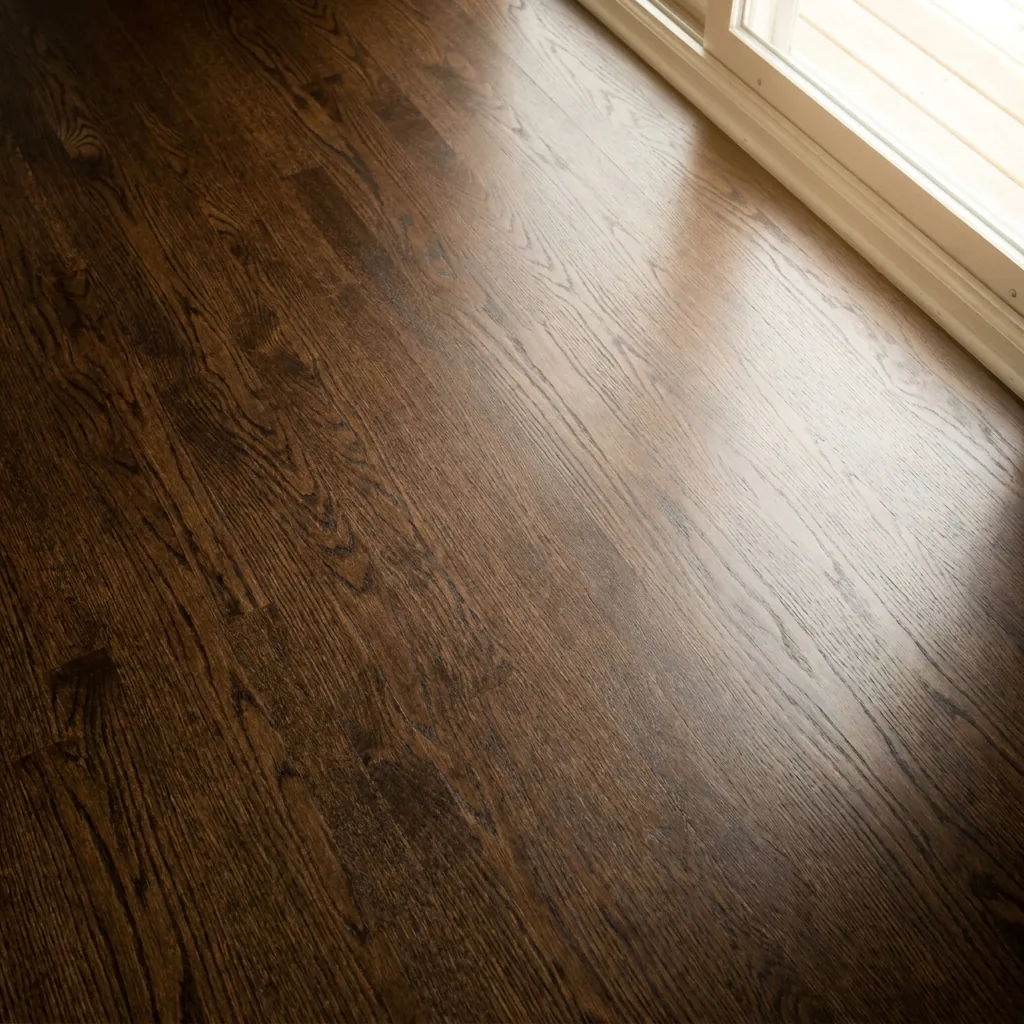
Solid hardwood flooring is exactly what it sounds like: a single, solid piece of wood from top to bottom. It has been a staple in American homes for centuries due to its timeless beauty and incredible longevity.
The Benefits of Solid Wood
The primary advantage of solid hardwood is its durability. Because it is a solid piece of timber, it can be sanded and refinished multiple times over its lifespan. This means if you live in an older home in Tinton Falls or Rumson, you can restore your floors to their original glory even after decades of wear.
Considerations for NJ Homeowners
However, solid wood is susceptible to moisture and humidity. In New Jersey, where we experience humid summers and damp winters, solid hardwood can expand and contract. This makes it less ideal for basements or areas with high moisture levels.

2. What is Engineered Hardwood Flooring?
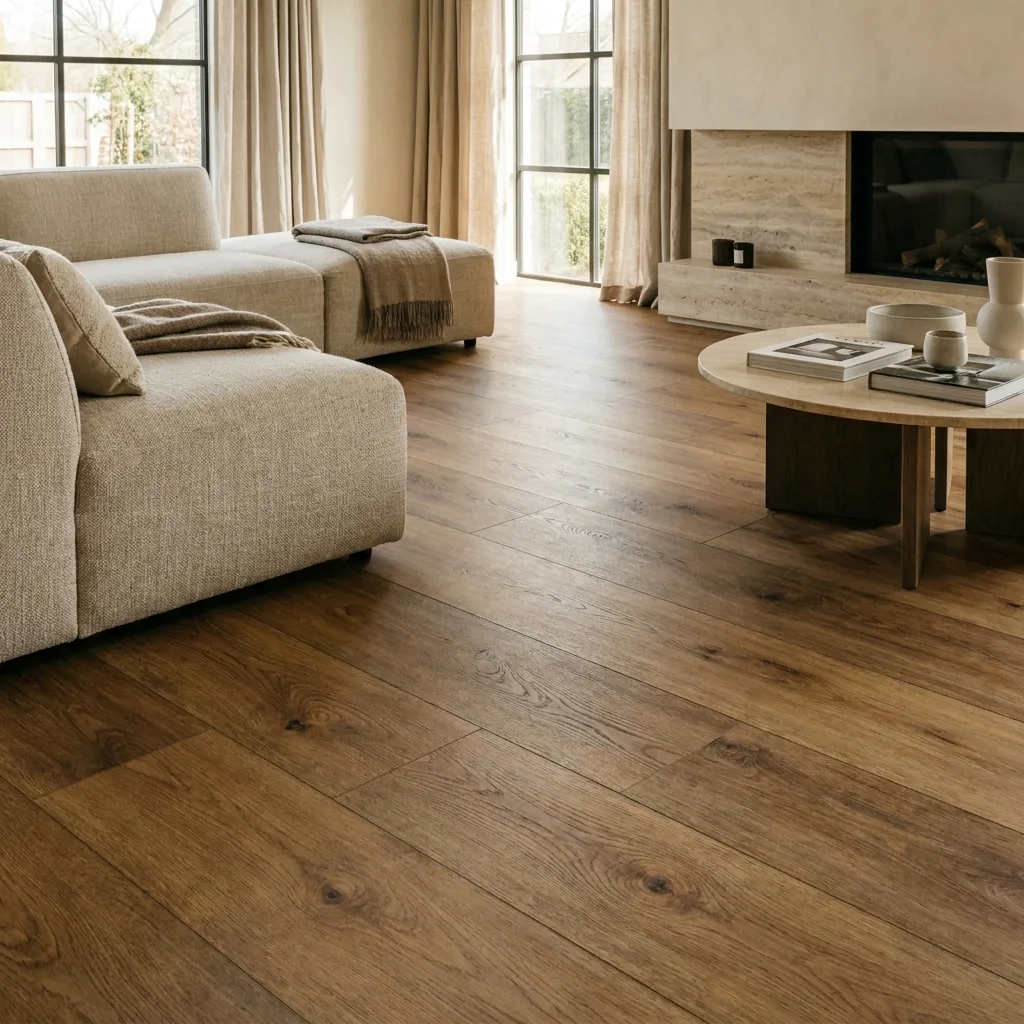
Engineered hardwood is constructed of a thin layer of real hardwood (the wear layer) bonded over a high-quality plywood or HDF (high-density fiberboard) core. This multi-layer construction provides enhanced stability.
Why Choose Engineered Wood?
The “cross-grain” construction of engineered wood makes it much more resistant to moisture-related issues like warping or cupping. This is a game-changer for homeowners in Toms River or Asbury Park who want the look of real wood in their basements or over concrete slabs.
Aesthetic Versatility
Engineered floors come in a wide variety of species, finishes, and plank widths, often allowing for wider planks that would be unstable in solid wood.

3. Comparing Durability and Refinishing
One of the most common questions we get at IAC Home Improvement is about the lifespan of these two options.
| Feature | Solid Hardwood | Engineered Hardwood |
|—|—|—|
| Lifespan | 100+ years | 20–50 years |
| Refinishing | 4–7 times | 1–2 times (depending on wear layer) |
| Moisture Resistance | Low | High |
| Installation | Nail or staple | Nail, staple, glue, or float |
While solid wood wins on pure longevity, engineered wood offers superior performance in the variable climate of Monmouth County.

4. Cost and Value in the NJ Market
When it comes to investment, both options add significant value to your home. Generally, the material costs for high-quality engineered wood are comparable to solid hardwood. However, installation costs can vary.
Installation Flexibility
Engineered hardwood can often be installed as a “floating floor,” which can be faster and more cost-effective. Solid hardwood requires a professional touch and a stable subfloor, which we frequently handle for clients in Holmdel and Middletown.
Long-Term ROI
Solid hardwood is often viewed as a “forever floor,” which can be a strong selling point for luxury real estate in areas like Rumson and Fair Haven.

5. Making the Final Choice for Your Home
The best choice for your home depends on where you are installing the floor and how you plan to use the space.
- Choose Solid Hardwood if: You are flooring a main level or second floor, want the ability to change the stain color multiple times, and plan to stay in your home for many years.
- Choose Engineered Hardwood if: You are flooring a basement, installing over radiant heat, or want wider planks that remain stable despite NJ’s humidity.
Trust the Experts at IAC Home Improvement
Whether you are leaning towards the classic appeal of solid oak or the modern stability of engineered maple, our team is here to help. We provide expert installation and refinishing services across Monmouth and Ocean Counties.

FAQ: Hardwood Flooring in New Jersey
Q: Can I install solid hardwood in my basement in Long Branch?
A: We generally recommend against it due to moisture levels. Engineered hardwood is a much safer and more durable choice for basement applications.
Q: How many times can I refinish engineered hardwood?
A: This depends on the thickness of the top wear layer. Most high-quality engineered floors can be refinished 1–2 times.
Q: Which is better for homes with pets?
A: Both can handle pets, but choosing a harder wood species (like Hickory or Oak) and a matte finish can help hide scratches.
Schema Markup (JSON-LD)
json
{
"@context": "https://schema.org",
"@type": "Article",
"headline": "Engineered vs. Solid Hardwood Floors: Which is Right for Your NJ Home?",
"image": "https://iachomeimprovement.com/wp-content/uploads/2026/05/hardwood-comparison-cover.jpg",
"author": {
"@type": "Person",
"name": "IAC Home Improvement Team"
},
"publisher": {
"@type": "Organization",
"name": "IAC Home Improvement",
"logo": {
"@type": "ImageObject",
"url": "https://iachomeimprovement.com/wp-content/uploads/2026/05/logo.png"
}
},
"datePublished": "2026-05-24",
"description": "Compare engineered vs. solid hardwood floors for your New Jersey home. Learn about durability, cost, and moisture resistance in Monmouth County."
}
json
{
"@context": "https://schema.org",
"@type": "FAQPage",
"mainEntity": [{
"@type": "Question",
"name": "Can I install solid hardwood in my basement in Long Branch?",
"acceptedAnswer": {
"@type": "Answer",
"text": "We generally recommend against it due to moisture levels. Engineered hardwood is a much safer and more durable choice for basement applications."
}
}, {
"@type": "Question",
"name": "How many times can I refinish engineered hardwood?",
"acceptedAnswer": {
"@type": "Answer",
"text": "This depends on the thickness of the top wear layer. Most high-quality engineered floors can be refinished 1–2 times."
}
}, {
"@type": "Question",
"name": "Which is better for homes with pets?",
"acceptedAnswer": {
"@type": "Answer",
"text": "Both can handle pets, but choosing a harder wood species (like Hickory or Oak) and a matte finish can help hide scratches."
}
}]
}