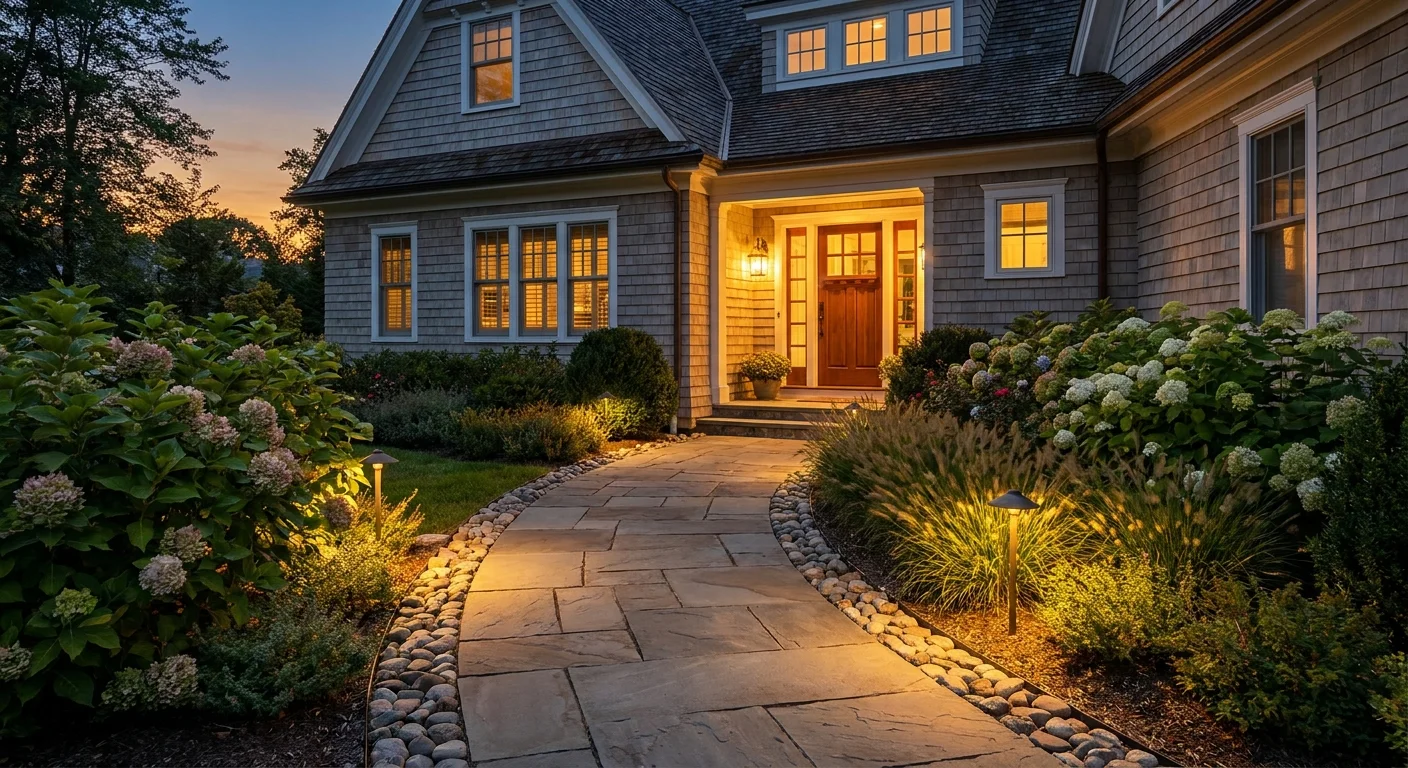
Choosing the right materials for your home's walkways and front steps is crucial for enhancing curb appeal, ensuring safety, and boosting property value. Your entry points are the first impression guests and prospective buyers get, making material selection a significant decision for any homeowner in New Jersey, New York, or Pennsylvania. Popular options like interlocking pavers, poured concrete, natural stone, and brick each offer unique benefits in terms of longevity, design flexibility, and maintenance, allowing for a tailored solution that complements your home's architectural style and withstands regional weather patterns.
First Impressions: Why the Walkway Matters
Curb Appeal and Property Value
A well-designed walkway and inviting front steps dramatically elevate your home's curb appeal, instantly making it more attractive and welcoming. For homeowners in areas like Monmouth County, Colts Neck, or Holmdel, where property values are significant, a thoughtful exterior can translate into a tangible return on investment. Studies often show that investing in landscaping and hardscaping improvements can yield an ROI of 70-80% or even higher, directly impacting your home's market value, especially when selling.
Safety and Accessibility
Beyond aesthetics, the primary function of a walkway and steps is to provide safe and accessible passage to your home. Uneven surfaces, slippery materials, or inadequate lighting pose significant hazards. In the diverse climates of NJ, NY, and PA, where homeowners experience everything from harsh winters with ice and snow to humid summers, choosing slip-resistant and durable materials is paramount. Proper design ensures stability, reduces trip hazards, and can even incorporate accessibility features for family members or guests with mobility challenges.
Reflecting Your Home's Style
Your home's exterior should tell a cohesive story, and your walkways and steps are key narrators. Whether your home is a charming Victorian in Red Bank, a modern farmhouse in Freehold, or a traditional colonial along the Jersey Shore, the materials chosen for your entry can either enhance or detract from its inherent character. From the rustic appeal of irregular flagstone to the clean lines of thermal bluestone or the classic elegance of brick, the right materials integrate seamlessly with your architecture and personal aesthetic.
Comparing Common Walkway Materials
Interlocking Pavers: Versatility and Appeal
Interlocking concrete pavers are a highly popular choice for walkways and steps across NJ, NY, and PA, offering exceptional versatility in design and color. Available in a vast array of shapes, sizes, and textures—from tumbled and antique-looking to sleek and contemporary—pavers can mimic natural stone, brick, or even cobblestone. Their segmented nature allows for flexibility, accommodating ground movement due to freeze-thaw cycles common in our region, and individual pavers can be easily replaced if damaged. When properly installed on a compacted aggregate base with polymeric sand in the joints, pavers can last 25-50 years with minimal maintenance.
- Pros: Wide range of styles, colors, and patterns; excellent durability; easy repair/replacement of individual units; permeable options available for stormwater management.
- Cons: Can be more expensive upfront than poured concrete; requires professional installation for optimal performance; potential for weeds if joints aren't properly maintained.
Poured Concrete: Durability and Customization
Poured concrete remains a staple for many homeowners seeking a durable and cost-effective solution. Modern concrete walkways and steps go far beyond the basic gray slab. With advancements in decorative concrete, options include stamped concrete (mimicking stone, brick, or wood), exposed aggregate (revealing the natural beauty of pebbles and stones), and various coloring techniques. A properly installed concrete slab, reinforced with rebar or mesh and featuring appropriate expansion joints, can last 20-30 years, standing up well to heavy foot traffic and New Jersey's weather variations. For steps, concrete offers a solid, monolithic structure that is incredibly strong.
- Pros: Highly durable; relatively low maintenance; versatile with stamping, coloring, and texturing options; cost-effective for larger areas.
- Cons: Can crack over time, especially with freeze-thaw cycles; repairs can be noticeable; less permeable than pavers.
Natural Stone: Elegance and Timelessness
For unparalleled elegance and a timeless aesthetic, natural stone is an exceptional choice. Materials like bluestone, flagstone, and granite are prized for their inherent beauty, unique variations, and incredible longevity, often lasting 50 years or more.
- Bluestone: A favorite in the Northeast, bluestone offers a beautiful range of blue-gray tones. Available in thermal (cut with a smooth, consistent surface) or irregular (more rustic, natural shapes) varieties, it provides excellent slip resistance and withstands harsh weather.
- Flagstone: Characterized by its flat, irregularly shaped pieces, flagstone creates a charming, organic look. It comes in various colors, including reds, browns, and grays, and is durable when set in mortar or sand.
- Granite: Known for its extreme hardness and durability, granite is an excellent choice for high-traffic areas and steps. It resists scratching, staining, and weathering, offering a sophisticated and long-lasting surface.
Brick: Classic Charm and Resilience
Brick walkways and steps evoke a sense of classic charm and historical elegance, particularly suited for traditional homes or those aiming for a colonial or historic aesthetic. Bricks are incredibly durable, resistant to fading, and maintain their rich color over time. When installed correctly on a stable base with proper drainage, brick can last for generations. Their smaller size allows for intricate patterns like herringbone or basketweave, adding visual interest and character to your entryway. Like pavers, individual bricks can be replaced if damaged, extending the life of the entire hardscape.
- Pros: Timeless aesthetic; extremely durable and long-lasting; excellent color retention; good slip resistance; easy to repair individual units.
- Cons: Can be more labor-intensive to install than concrete; prone to moss or mildew in shaded, damp areas if not cleaned periodically.
Designing Your Front Steps and Stoop
Material Integration with Walkways
The front steps and stoop are a critical transition point, bridging your walkway to your home's entrance. Ideally, the materials chosen for your steps should either match or beautifully complement your walkway. Using the same material, such as bluestone treads on bluestone steps or concrete steps leading to a stamped concrete walkway, creates a cohesive and elegant look. Alternatively, a complementary material, like brick steps leading to a bluestone walkway, can add visual interest while maintaining harmony. IAC Home Improvement takes a holistic approach, ensuring that all elements of your exterior hardscaping flow seamlessly together.
Risers, Treads, and Landings
The anatomy of steps involves careful consideration of risers (the vertical part), treads (the horizontal part you step on), and landings (flat platforms at the top or between flights of stairs). Proper dimensions for risers and treads are not just about aesthetics; they are crucial for safety and comfort, typically adhering to building codes that dictate maximum rise and minimum tread depth. A generous landing at the top of your steps provides a safe and welcoming space before entering your home, especially important in high-traffic areas like Long Branch or Asbury Park.
Railings and Handrails
For steps exceeding a certain height (often three or more risers, depending on local codes in NJ, NY, or PA), railings and handrails become a safety necessity. Beyond compliance, they offer stability and support, particularly during inclement weather. Materials can range from wrought iron for a classic look, aluminum for low maintenance, or composite materials that match your decking or trim. Integrating the railing design with your home's architecture and the chosen step materials ensures a unified and polished appearance.
Enhancing Safety and Aesthetics: Lighting, Drainage, and Accessibility
Integrated Lighting Solutions
Thoughtful lighting not only highlights the beauty of your walkway and steps but also dramatically improves safety after dusk. Low-voltage LED lighting can be subtly integrated into retaining walls, step risers, or alongside the path, illuminating the way without harsh glare. Path lights, spotlights on architectural features, and recessed step lights minimize trip hazards and create an inviting ambiance. Modern LED systems are energy-efficient and offer long lifespans, typically 15-20 years for fixtures, reducing maintenance.
Effective Water Management
Proper drainage is paramount for the longevity of your hardscaping and the safety of your home's foundation. Walkways and steps should be designed with a slight slope (a minimum of 1-2% grade) to direct rainwater away from the house. For larger areas or properties with poor natural drainage, solutions like French drains, catch basins, or the use of permeable pavers can effectively manage stormwater runoff. In areas like the Jersey Shore, where heavy rains are common, proactive drainage solutions are critical to prevent erosion, standing water, and potential damage to your home.
Ensuring Accessibility for All
Designing for accessibility means creating an inclusive environment where everyone can safely navigate your home's entrance. This might involve incorporating ramps alongside steps, ensuring handrails meet ADA guidelines for graspability and height, or selecting materials with excellent slip resistance. When planning your project, consider future needs and consult with experts like IAC Home Improvement who understand local building codes and best practices for creating accessible and beautiful outdoor spaces.
Investment and Value: Cost, Durability, and ROI
Material Costs and Installation Complexity
The cost of your walkway and front steps project will vary significantly based on material choice, design complexity, site preparation, and labor rates in your specific area of NJ, NY, or PA. Generally, poured concrete is the most budget-friendly option, typically ranging from $10-$25 per square foot installed. Interlocking pavers usually fall in the $15-$30 per square foot range, while natural stone, due to its material cost and specialized installation, can range from $25-$60+ per square foot. These figures are general industry averages and can fluctuate. IAC Home Improvement provides one clear project total after a free on-site measurement, ensuring transparency and no hidden fees.
Long-Term Maintenance and Longevity
When evaluating materials, consider not just the upfront cost but also the long-term maintenance and expected lifespan. Materials like natural stone and high-quality pavers, though more expensive initially, can last 50+ years with minimal maintenance beyond occasional cleaning and joint re-sanding for pavers. Concrete requires sealing every few years to prevent staining and cracking. IAC Home Improvement focuses on durable, high-quality installations that stand the test of time, minimizing future headaches for homeowners.
Boosting Your Home's Market Appeal in NJ
A beautifully designed and professionally installed walkway and front steps significantly enhance your home's market appeal. This isn't just about making it look nice; it signals to potential buyers that the home has been well-maintained and cared for, often leading to quicker sales and better offers. In competitive markets across Monmouth County, from Red Bank to Long Branch, these exterior enhancements are a smart investment that pays dividends, reinforcing your home's value and desirability.
Choosing the Right Materials for Your NJ Home
Considering Climate and Usage
New Jersey's climate presents unique challenges, from freezing winters and heavy snowfall to hot, humid summers. The materials you choose must withstand these extremes. For instance, materials with low porosity and good freeze-thaw resistance are crucial to prevent cracking and spalling. Consider how much foot traffic your walkway will receive; a heavily used path might benefit from the extreme durability of granite or high-density pavers. IAC Home Improvement, with NJ License #13VH13143000 and PA License #PA188007, understands these regional specificities and guides clients toward the most suitable, long-lasting solutions.
Matching Architectural Style
The aesthetic harmony between your home and its hardscaping is paramount. A rustic stone path might perfectly suit a craftsman-style home, while a modern residence could benefit from sleek, large-format concrete pavers. Our design experts at IAC Home Improvement work closely with you to select materials, colors, and patterns that complement your home's unique architectural style and your personal taste, creating a cohesive and appealing exterior.
Professional Design and Installation with IAC Home Improvement
The success and longevity of your walkway and front steps project depend heavily on professional design and expert installation. From proper sub-base preparation and drainage planning to precise material laying and finishing, every step is critical. IAC Home Improvement is a full-service home improvement and construction company, meaning we handle the client's entire project from conception to completion. Beyond stunning walkways and steps, we excel in flooring installations (like luxury vinyl plank about $8/sqft all-inclusive, or tile from $13/sqft installed), kitchen and bathroom remodeling (kitchens typically $17K-$45K, bathrooms $9K-$25K), interior/exterior painting, carpentry, and even composite deck packages from about $16,000 for 200 sq ft. We are your one trusted contractor for anything your home needs. With over 100+ 5.0-star Google reviews, our reputation for quality and customer satisfaction speaks for itself.
Frequently Asked Questions
How long do outdoor walkways typically last in NJ?
The lifespan of an outdoor walkway in New Jersey varies significantly by material and installation quality. Properly installed interlocking pavers can last 25-50 years, while poured concrete typically lasts 20-30 years. Natural stone such as bluestone or granite offers the longest longevity, often exceeding 50 years with minimal maintenance, enduring NJ's freeze-thaw cycles effectively.
What's the best material for a low-maintenance front walkway?
For low maintenance, natural stone (like granite or bluestone) and high-quality concrete pavers are excellent choices. Natural stone requires minimal upkeep beyond occasional cleaning. Pavers, when installed with polymeric sand, resist weeds and shifting, requiring only periodic sweeping and joint touch-ups every few years. Poured concrete also offers low maintenance but benefits from regular sealing to prevent cracks and stains.
Do I need a permit to build a new front walkway or steps in New Jersey?
Yes, in most municipalities across New Jersey, you will likely need a permit for new construction or significant alteration of front steps or a walkway, especially if it involves changes to grading, structural elements, or impacts public easements. It's always best to check with your local municipal building department before starting any project. IAC Home Improvement can assist clients in understanding permit requirements for their specific project and location.
How can I get an accurate estimate for my walkway and steps project?
To get an accurate estimate, the best first step is to schedule a free on-site measurement and consultation with a reputable contractor like IAC Home Improvement. During this visit, our experts will assess your site, discuss material options, design preferences, and any specific challenges or requirements. We then provide one clear project total, ensuring transparency and helping you make an informed decision. Contact us today at (848) 234-0283 or email contact@iachomeimprovement.com to begin your project.
Authoritative resource: American Concrete Institute.