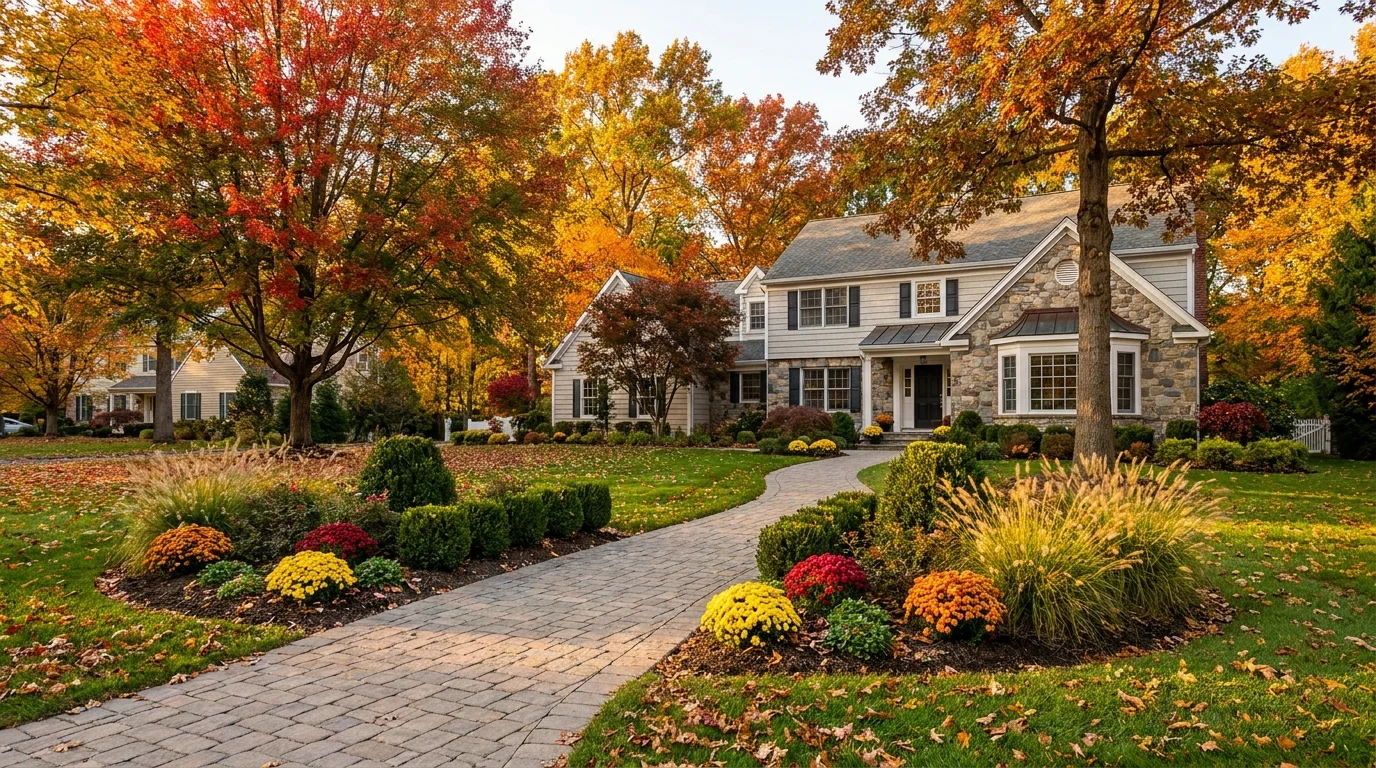
Maintaining a vibrant and healthy yard in New Jersey requires a strategic approach tailored to the region's distinct four seasons. From the early spring thaw to the challenges of winter, understanding and implementing seasonal care practices is crucial for homeowners across NJ, NY, and PA to ensure their landscapes thrive year-round. This guide provides expert insights and actionable steps to help you cultivate a beautiful and resilient outdoor space.
Understanding New Jersey's Climate for Optimal Yard Health
New Jersey's unique geographical position grants it a diverse climate, impacting everything from soil composition to plant hardiness. Effective yard care begins with a deep understanding of these environmental factors.
The Impact of Four Distinct Seasons on NJ Yards
The Northeast experiences a full spectrum of seasons, each presenting specific challenges and opportunities for yard care. Spring brings thawing and new growth, demanding careful preparation. Summers are often hot and humid, requiring diligent watering and pest management. Fall is critical for cleanup and winterization, while winters can be harsh, with freezing temperatures, snow, and ice. For homeowners in Red Bank, Long Branch, or anywhere along the Jersey Shore, coastal influences can also introduce salt spray and specific wind patterns that affect plant choices and care.
Soil Composition and Microclimates Across NJ, NY, PA
New Jersey's soil varies significantly, from the sandy loams of the Pinelands and coastal areas to the heavier, clay-rich soils found in northern counties like Monmouth County and towards the Delaware River. Understanding your soil type is fundamental; a soil test can reveal nutrient deficiencies or pH imbalances that impact plant health. Microclimates, influenced by topography, proximity to water bodies, and urban development, also play a role. A south-facing garden in Holmdel, for instance, might experience higher temperatures than a shaded area in Colts Neck, requiring different watering schedules and plant selections.
Choosing Native and Resilient Plant Species
Selecting plants native to the Mid-Atlantic region is a cornerstone of sustainable and low-maintenance yard care. Native species are naturally adapted to local soil conditions, rainfall patterns, and temperature fluctuations, making them more resilient to pests and diseases and requiring less intervention. Consider drought-tolerant varieties for sunny spots and plants that can withstand periods of heavy rain. Integrating these species not only simplifies care but also supports local ecosystems and wildlife.
Spring Awakening: Preparing Your Yard for Growth
As the snow melts and temperatures rise, spring is a bustling time for yard care, setting the stage for a healthy and vibrant landscape throughout the warmer months.
Essential Spring Cleanup Tasks
The first step in spring yard care is a thorough cleanup. Rake away any lingering leaves, fallen branches, and winter debris that can smother new growth and harbor pests. Inspect your lawn for compacted areas or winter damage, and consider dethatching if you have a thick layer of dead grass built up. Prune back dead or damaged branches from trees and shrubs to encourage healthy new growth and improve air circulation. For homeowners in Asbury Park, this is also an ideal time to check for any erosion from winter storms.
Soil Aeration and Fertilization Strategies
Once the soil is workable, typically in late March or early April in central New Jersey, consider aerating your lawn, especially if it experiences heavy foot traffic or has clay soil. Aeration improves air, water, and nutrient penetration to the root zone. Following aeration, apply a slow-release granular fertilizer formulated for spring growth. A balanced fertilizer, often with an NPK ratio like 10-10-10 or one higher in nitrogen for lush green growth, is ideal. Always follow manufacturer instructions, as over-fertilization can harm your lawn. Many experts recommend fertilizing once in early spring and again in the fall for optimal health.
Early Season Pest and Disease Prevention
Spring is when many common lawn and garden pests begin to emerge. Keep an eye out for signs of insect activity, such as grubs, aphids, or scale. Addressing these issues early can prevent larger infestations later in the season. Consider applying a pre-emergent herbicide in early spring to prevent crabgrass and other annual weeds from germinating. For a more organic approach, introducing beneficial insects or using neem oil can be effective. Regularly inspect your plants for early signs of fungal diseases, which often appear as spots or discoloration, and treat promptly with appropriate fungicides.
Summer's Embrace: Maintaining Lush Landscapes
With the warmth of summer comes the challenge of maintaining your yard's health and appearance amidst higher temperatures and potential dry spells.
Optimal Watering Techniques for Hot Months
Proper watering is paramount during the hot New Jersey summer. The goal is deep, infrequent watering rather than shallow, frequent sprinkles. Aim for about 1 inch of water per week, applied in one or two sessions, allowing the water to penetrate 6-8 inches into the soil. The best time to water is early morning (before 10 AM) to minimize evaporation and allow foliage to dry, reducing the risk of fungal diseases. For new plantings or delicate flower beds, consider drip irrigation or soaker hoses to deliver water directly to the root zone efficiently.
Effective Weed Control and Mulching
Summer weeds can quickly take over if not managed. Regular hand-pulling is effective for smaller infestations. For larger areas, spot treatments with post-emergent herbicides can target specific weeds without harming your lawn. One of the most effective weed control strategies is mulching. Applying a 2-4 inch layer of organic mulch (such as shredded bark, wood chips, or pine needles) around trees, shrubs, and garden beds suppresses weed growth, conserves soil moisture, and moderates soil temperature. This practice is particularly beneficial in towns like Freehold, where summer heat can be intense.
Pruning and Mowing for Health and Aesthetics
Maintain your lawn at a height of 3 inches or higher during summer. Taller grass shades the soil, reducing water evaporation and discouraging weed growth. Always ensure your mower blades are sharp for a clean cut, which prevents tearing and reduces stress on the grass. For shrubs and perennials, summer is an ideal time for 'deadheading' spent blooms to encourage new flowers and for light shaping to maintain desired form. Avoid heavy pruning of trees and shrubs during peak summer heat, as this can cause stress.
Fall's Farewell: Winterizing and Cleanup
Fall yard care is crucial for preparing your landscape to withstand the dormant winter months and ensuring a vigorous return in spring.
Comprehensive Leaf Removal and Composting
As leaves begin to fall, regular removal is essential. A thick blanket of leaves can smother your lawn, trap moisture, and create an environment for fungal diseases and pests. You can rake leaves, use a leaf blower, or even mulch them directly into your lawn with a mulching mower, returning valuable nutrients to the soil. Excess leaves can be added to a compost pile, creating rich organic matter for your garden next spring. This practice is especially important in areas with mature trees, like many properties in Colts Neck.
Preparing Perennials and Shrubs for Winter
Before the first hard frost, cut back spent perennial foliage to about 2-3 inches above the ground. This helps prevent diseases and tidies the garden. For sensitive shrubs and young trees, consider applying a layer of winter mulch around their base to insulate roots. In areas prone to heavy snow, you might gently tie together branches of evergreens to prevent snow damage. Protecting vulnerable plants from deer browsing with repellents or physical barriers is also a good idea in many parts of NJ, NY, and PA.
Final Lawn Care Before Dormancy
Fall is an excellent time for overseeding patchy areas of your lawn, as the cooler temperatures and increased moisture provide ideal germination conditions. Apply a "winterizer" fertilizer in late fall (typically October or early November), which is higher in potassium to help strengthen roots and improve winter hardiness. Ensure your final mow of the season is slightly shorter than your summer height, but not too short, to prevent matting under snow and fungal growth. Clean and store all lawn equipment properly for the winter.
Winter Resilience: Protecting Your Outdoor Investments
Even though the growing season pauses, winter still demands attention to protect your hardscapes and infrastructure from the elements.
Safeguarding Hardscapes from Freeze-Thaw Cycles
New Jersey's winters bring repeated freeze-thaw cycles that can be detrimental to patios, walkways, and decks. For paver patios and walkways, ensure proper drainage to prevent water from pooling and freezing, which can lead to shifting or cracking. Consider applying a sealant to pavers to protect them from moisture penetration and salt damage. Wooden decks, like those IAC Home Improvement designs and builds for clients in Monmouth County, benefit from a thorough cleaning and inspection in late fall. While new decking installation typically ranges from $10-$16 per square foot depending on material and complexity, proper winter maintenance can significantly extend the life of your existing deck, preventing costly repairs.
Protecting Irrigation Systems and Outdoor Plumbing
Before freezing temperatures arrive, it's critical to winterize your irrigation system. This typically involves shutting off the main water supply, draining all lines, and "blowing out" the system with an air compressor to remove any residual water that could freeze and burst pipes. Disconnect and drain all garden hoses, and ensure outdoor faucets are turned off at the indoor shut-off valve. Neglecting these steps can lead to expensive plumbing repairs come spring.
Snow and Ice Management Best Practices
When snow falls, mindful removal is key. Use a shovel or snowblower carefully to avoid damaging hardscapes or underlying plant material. When de-icing, opt for pet-friendly and plant-safe alternatives to rock salt, such as calcium chloride or magnesium chloride, which are less corrosive to concrete and less harmful to nearby vegetation. Avoid piling snow directly onto shrubs or small trees, as the weight can cause breakage.
Year-Round Yard Care: A Strategic Approach
A proactive, year-round strategy ensures your yard remains a source of beauty and enjoyment, adding significant value to your home.
Developing a Seasonal Maintenance Calendar
Creating a personalized seasonal maintenance calendar is an invaluable tool for any homeowner. It allows you to anticipate tasks and ensures timely interventions. Here’s a general framework:
- Early Spring (March-April): Rake, clean debris, prune dead branches, soil test, aerate, apply pre-emergent, first fertilization.
- Late Spring (April-May): Plant annuals, apply mulch, fertilize trees/shrubs, initial pest/disease monitoring.
- Early Summer (June-July): Deep watering, regular mowing (3+ inches), weed control, deadhead flowers, prune for shape.
- Late Summer (July-August): Continue watering, monitor for heat stress, pest outbreaks, light pruning.
- Early Fall (September-October): Overseed lawn, final fertilization (winterizer), extensive leaf removal, prepare perennials.
- Late Fall (November-December): Winterize irrigation, clean/store tools, protect sensitive plants, final leaf cleanup.
- Winter (December-February): Monitor for snow damage, manage ice, plan for spring projects.
The Benefits of Professional Landscape Planning
While DIY care is rewarding, professional landscape planning offers significant advantages, especially for complex projects or busy homeowners. Experts can assess your property's specific needs, recommend appropriate plants for your local microclimate, and design efficient irrigation systems. For larger renovations or new installations, engaging professionals ensures the work is done correctly, efficiently, and with long-term sustainability in mind. IAC Home Improvement not only handles landscaping but also offers a full suite of exterior services, from intricate masonry and paver installations to exterior painting, ensuring a cohesive and stunning outdoor space.
Enhancing Curb Appeal and Property Value
A well-maintained yard and attractive landscaping significantly boost your home's curb appeal and overall property value. Investing in your outdoor space is an investment in your home. From vibrant flower beds and healthy lawns to functional and beautiful hardscapes, every element contributes to a positive first impression. This can be particularly impactful in competitive real estate markets across NJ, NY, and PA. Whether you're considering selling your home or simply want to enjoy it more, a thoughtfully cared-for yard pays dividends.
Partnering with IAC Home Improvement for Your Outdoor Needs
At IAC Home Improvement, we understand that your home is your most significant investment, inside and out. Beyond seasonal yard care, we are a full-service home improvement and construction company committed to transforming and maintaining every aspect of your property.
From Landscaping to Decks: Our Comprehensive Services
While this guide focuses on yard care, IAC Home Improvement offers a vast array of services to enhance your outdoor living. Our expertise extends to custom deck design and installation, intricate masonry work for patios and walkways, durable concrete solutions, and beautiful paver installations. We also provide interior and exterior painting, carpentry, and comprehensive landscaping services to bring your vision to life. Imagine pairing a beautifully maintained lawn with a brand-new composite deck or a custom-built stone patio – IAC Home Improvement is your single, trusted contractor for these entire projects. For instance, a small patio installation with high-quality pavers might range from $7-$12 per square foot, providing a durable and attractive outdoor living area.
Why Choose IAC for Your Home Improvement Projects
With a 5.0-star rating based on 100+ Google reviews, IAC Home Improvement stands as a testament to quality, reliability, and customer satisfaction. We are fully licensed in New Jersey (NJ License #13VH13143000) and Pennsylvania (PA License #PA188007), ensuring peace of mind for all our clients. Our commitment to excellence means we deliver superior craftsmanship and attentive service on every project, whether it's a minor repair or a complete home overhaul. We pride ourselves on being the one contractor you need for anything your home requires, simplifying the process and ensuring consistent quality across all trades.
Get a Personalized Quote for Your Property
Ready to elevate your outdoor space or tackle that long-awaited home improvement project? Don't hesitate to reach out to the experts at IAC Home Improvement. We offer personalized consultations and detailed quotes, helping you understand the scope and cost of your project upfront. Visit our contact page or use our convenient cost calculator to start planning. You can also call us directly at (848) 234-0283 or email us at contact@iachomeimprovement.com. Let us help you create the home and yard of your dreams.
Frequently Asked Questions
What is the best time to fertilize my lawn in New Jersey?
The optimal times to fertilize your lawn in New Jersey are typically in early spring (March to April) to promote vigorous growth and again in the fall (September to October) with a "winterizer" formula to strengthen roots for the dormant season. Avoid fertilizing during the hottest summer months.
How often should I water my lawn during a hot NJ summer?
During a hot New Jersey summer, aim for deep, infrequent watering, providing about 1 inch of water per week. This can be achieved in one or two watering sessions, allowing the water to penetrate 6-8 inches into the soil. Watering early in the morning is most efficient to minimize evaporation.
What are common pests to watch for in NJ gardens?
Common pests in NJ gardens include grubs (larvae that feed on grass roots), aphids (small insects that cluster on new growth), spider mites (tiny arachnids causing stippling on leaves), and various caterpillars. Regular inspection and early intervention are key to managing these pests effectively.
When should I prune my trees and shrubs in the Northeast?
The best time to prune most deciduous trees and shrubs in the Northeast is during their dormant season, typically late winter to early spring (February to April), before new growth begins. Spring-flowering shrubs should be pruned immediately after they finish blooming. Avoid heavy pruning during late summer or fall, as it can stimulate new growth that won't harden off before winter.
Authoritative resource: This Old House.