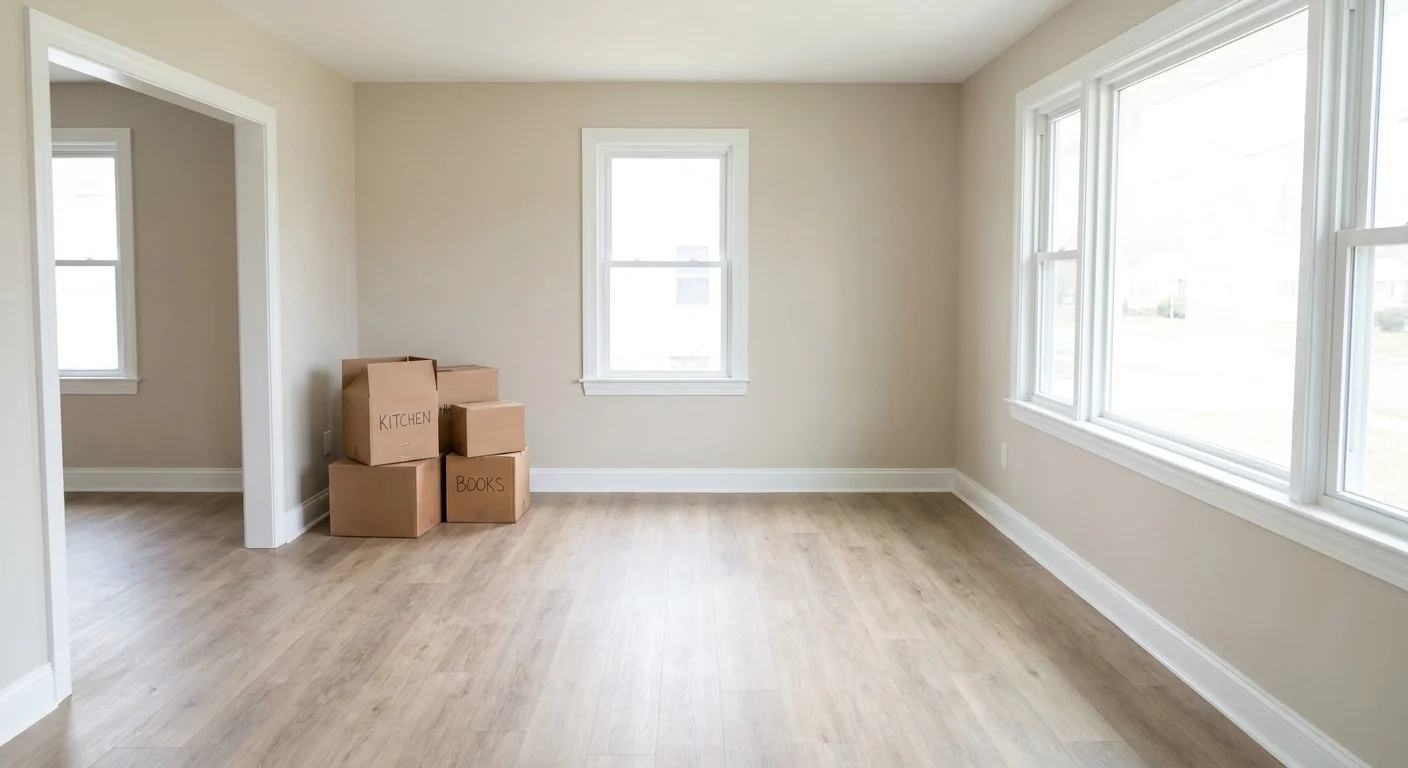
Replacing floors before you move into your new New Jersey home in 2026 is one of the smartest upgrades you can make, offering a clean slate and avoiding the disruption of living in a construction zone. This pre-move-in window, typically between closing and taking possession, provides a unique opportunity to tackle significant renovations like flooring replacement while the property is empty. From the charming suburbs of Holmdel to the vibrant communities of Red Bank and Long Branch, homeowners across Monmouth County and beyond are discovering the immense benefits of this strategic timing.
Why is the Period Between Closing and Move-In Ideal for New Floors in New Jersey?
The empty house phase between closing and moving in is the absolute best time to replace existing flooring, minimizing stress and maximizing efficiency for both homeowners and contractors. Without furniture, personal belongings, or daily foot traffic, installation becomes faster, cleaner, and less intrusive.
Maximize Efficiency and Minimize Disruption
Working in an unoccupied home allows flooring professionals to operate without interruption, significantly speeding up the project timeline. There's no need to move furniture, clear rooms, or worry about dust containment around sensitive items, leading to a more focused and efficient installation process. This translates to quicker project completion and less inconvenience for you.
Address Subfloor Issues and Uneven Surfaces Proactively
With old flooring removed and the house empty, there's an unparalleled opportunity to thoroughly inspect and address any underlying subfloor issues. This includes repairing water damage, leveling uneven surfaces, or reinforcing weak spots, critical steps that are often difficult or impossible to address once furniture is in place. Ensuring a sound subfloor is fundamental for the longevity and performance of your new flooring system.
Achieve a Truly Seamless and Integrated Finish
An empty house allows for continuous flooring installation across multiple rooms and hallways, creating a more cohesive and professional aesthetic. Without the need to work around existing furniture or move items from room to room, installers can achieve precise cuts, seamless transitions, and consistent patterns. This is especially beneficial for open-concept layouts or when upgrading to durable luxury vinyl plank (LVP) that extends throughout living areas.
How Do I Prepare for Floor Replacement Before Closing on My NJ Home?
Effective preparation before closing is crucial for a smooth and timely flooring project in your new New Jersey residence. Early planning ensures material availability, secures contractor schedules, and helps you establish a realistic budget.
Measurements, Material Selection, and Design Consultation
Before closing, aim to schedule an initial consultation and measurement with a reputable contractor like IAC Home Improvement. They can provide accurate square footage estimates, discuss flooring options suitable for your lifestyle and budget, and help you select materials such as hardwood, laminate, carpet, or tile. Consider factors like durability, maintenance, and aesthetic appeal, especially for high-traffic areas in towns like Middletown or Freehold.
Scheduling and Booking Your Trusted Contractor
Once you have a closing date, book your flooring installation immediately. Reputable contractors, particularly in busy markets like Monmouth County, often have schedules booked weeks or even months in advance. Securing your slot early ensures your project can begin as soon as you take possession. IAC Home Improvement, with NJ License #13VH13143000 and PA License #PA188007, has been serving homeowners since 2015 and is rated 5.0 on Google with over 100 reviews.
Budgeting for Your New Floors: What to Expect
Understanding the costs involved is paramount. Flooring projects vary widely based on material, complexity, and scope. For example, luxury vinyl plank (LVP) typically costs about $8 per square foot all-inclusive (plank, installation, shoe molding), or installation only from $4 per square foot if you supply the material, with projects starting from $1,300. Laminate labor starts from $4 per square foot (projects from $1,300), while carpet labor, including pad installation, starts from $3 per square foot (projects from $800), with carpet and pad priced separately. Hardwood installation labor begins from $4 per square foot for straight-lay solid or engineered wood, with more intricate patterns like herringbone or chevron starting from $12 per square foot for labor (projects from $1,300). For tile floors, expect prices from $13 per square foot installed for standard porcelain/ceramic straight lay, with projects starting from $1,500. Remember, these are typical ranges, and a free on-site estimate will provide a precise project total. For comprehensive budget planning, explore our cost guide.
Ready to transform your new home's floors? Call us at (848) 358-7694, text us a photo, or get a free estimate today.
New Jersey Floor Replacement Checklist: Phase 1 - Demolition and Subfloor Prep
The initial phase of any successful flooring replacement involves careful demolition and meticulous preparation of the subfloor. This foundational work ensures a stable and long-lasting base for your new flooring, preventing future issues like squeaks or unevenness.
Step 1: Removing Old Flooring and Waste Disposal
Professional removal of old flooring, whether it's dated carpet, worn linoleum, or damaged hardwood, is the first critical step. This process requires specialized tools and careful handling to avoid damaging the underlying subfloor. Ensure your contractor includes debris removal and responsible disposal in their scope of work. For carpet, old carpet removal is often quoted separately from installation.
Step 2: Subfloor Inspection, Repair, and Leveling
Once the old flooring is gone, a thorough inspection of the subfloor is essential. This is the stage where hidden problems like water damage, rot, or structural weaknesses are identified and addressed. Any loose boards must be secured, and significant unevenness should be corrected using self-leveling compounds or patching materials. A flat, clean, and dry subfloor is non-negotiable for proper installation and warranty validation of most new flooring materials.
New Jersey Floor Replacement Checklist: Phase 2 - Installation Order and Key Considerations
With the subfloor prepped, the next phase focuses on the strategic order of installation and addressing critical details that homeowners often overlook. This sequence ensures optimal results and avoids costly rework.
Step 3: What Comes First - Painting or Floors?
Generally, it's advisable to complete most of your interior painting before installing new floors. This minimizes the risk of paint drips or splatters on your brand-new surfaces. If floors are installed first, they will need extensive protection during painting, which adds time and cost. However, a final coat of paint on baseboards or trim can be done after flooring to ensure a perfect seam. For a comprehensive home transformation, remember that IAC Home Improvement is a full-service home improvement company, handling everything from flooring to painting, kitchen and bathroom remodeling, carpentry, and more, offering the convenience of one trusted contractor for your entire project.
Step 4: Room-by-Room Flooring Installation Checklist
A phased approach, especially in larger homes common in areas like Colts Neck or Manalapan, is often most efficient. Here’s a general order and key considerations:
- Bathrooms and Kitchens (Tile): These rooms often require tile, which involves wet work (mortar, grout) and longer cure times. Installing these first allows them to cure while other areas are being prepped. Standard porcelain/ceramic tile floors typically require 24-48 hours before light foot traffic and 72 hours for full grout cure.
- Bedrooms and Living Areas (Hardwood, LVP, Laminate, Carpet): Once wet work is complete, move to the main living spaces. This includes bedrooms, living rooms, dining rooms, and hallways.
- Stairs: Staircases are usually among the last elements to be addressed due to their complex nature and the need for precision cuts. Carpet installation on stairs is quoted per staircase, while hardwood or LVP on stairs involves significant labor.
- Door Trims and Thresholds: Account for door jambs and casings that may need to be undercut to allow new flooring to slide underneath for a clean finish. New thresholds will also be installed to transition between different flooring types or rooms.
Here's a quick overview of key tasks and their timing:
| Task | When | Why It Matters |
|---|---|---|
| Initial Measurement & Quote | Before Closing | Accurate budgeting, material selection, contractor booking. |
| Old Floor Removal | Day 1-2 Post-Closing | Clears space, allows subfloor inspection. |
| Subfloor Repair/Leveling | Day 2-3 Post-Closing | Ensures stable, flat base for new flooring longevity. |
| Painting (Walls/Ceilings) | Before New Floor Install | Prevents drips on new floors, easier cleanup. |
| New Floor Installation | Typically Day 3-5+ Post-Closing | Main project phase, varies by material and area (e.g., 2-5 days for a 1500 sq ft home). |
| Baseboard/Trim Install/Paint | After New Floor Install | Achieves a clean, finished look, covers expansion gaps. |
Step 5: Professional vs. DIY Tasks for Flooring Projects
While some homeowners are skilled in DIY, most flooring replacement tasks require professional expertise, especially when the home is empty and efficiency is key. Tasks like accurate measurements, subfloor repair, and the actual installation of materials like hardwood, tile, or even carpet are best left to licensed professionals. Incorrect installation can lead to costly structural issues, voided warranties, and a poor aesthetic. Homeowners can typically handle lighter tasks like initial cleanup, protecting adjacent surfaces, or coordinating material deliveries, but for core installation, a professional ensures quality and compliance with building codes.
What Happens After New Floors Are Installed Before I Move In?
Once your beautiful new floors are installed, a few final steps and considerations are essential before the moving trucks arrive. Proper post-installation care ensures the longevity and pristine condition of your investment.
Curing Times, Final Cleanup, and HVAC Considerations
Different flooring materials have varying cure or dry times. For instance, hardwood finishes typically require 72 hours for light foot traffic and 7-10 days for full cure before heavy furniture or rugs are placed. Tile grout needs about 72 hours to fully set before it can withstand heavy use or moisture. Your contractor will advise on specific timelines. After installation, a thorough professional cleanup, including dust and debris removal, will prepare your home for move-in. Ensure your HVAC system is running to maintain optimal temperature and humidity, which is crucial for wood and laminate flooring to acclimate properly.
Protecting Your New Floors During Move-In
Even with cured floors, protecting them during the move-in process is vital. Use moving blankets, corrugated cardboard, or specialized floor protection sheets to cover high-traffic paths and areas where heavy furniture will be moved. Place felt pads under all furniture legs to prevent scratches and dents. Avoid dragging heavy items directly across the new surfaces. This proactive approach will safeguard your investment and keep your floors looking new for years to come.
Frequently Asked Questions About Replacing Floors Before Moving In
What is the typical timeline for replacing floors in a New Jersey home?
The timeline for replacing floors in a New Jersey home varies by size and material, but a typical 1,500 square foot home might take 2-5 days for demolition and installation of most flooring types. This does not include any necessary subfloor repairs or extensive custom work like intricate tile patterns. Always factor in additional time for material acclimation and curing, especially for hardwood finishes or tile grout.
Can I live in the house while new floors are being installed?
While technically possible, living in the house during floor installation is highly discouraged, especially when replacing floors before moving in. The process involves significant dust, noise, and restricted access to areas, making it uncomfortable and potentially unsafe. Utilizing the empty period between closing and move-in avoids this disruption entirely, making the project faster and less stressful for everyone involved.
Do I need to remove baseboards before new floor installation?
In most professional flooring installations, baseboards are removed prior to new flooring being laid. This allows the new floor to extend properly to the wall, accommodating expansion gaps and ensuring a clean, finished look. The baseboards are then reinstalled or replaced after the flooring, often with a fresh coat of paint, to cover any gaps and create a seamless transition.
How soon after installation can I put furniture on new floors?
The waiting period before placing furniture on new floors depends on the material and any finishes applied. For hardwood with a fresh finish, light foot traffic is typically safe after 72 hours, but heavy furniture should wait 7-10 days for a full cure. Tile grout needs 72 hours to cure. For floating floors like LVP or laminate, furniture can often be placed sooner, though caution and protective pads are always recommended to prevent scratches.
Authoritative resource: This Old House.