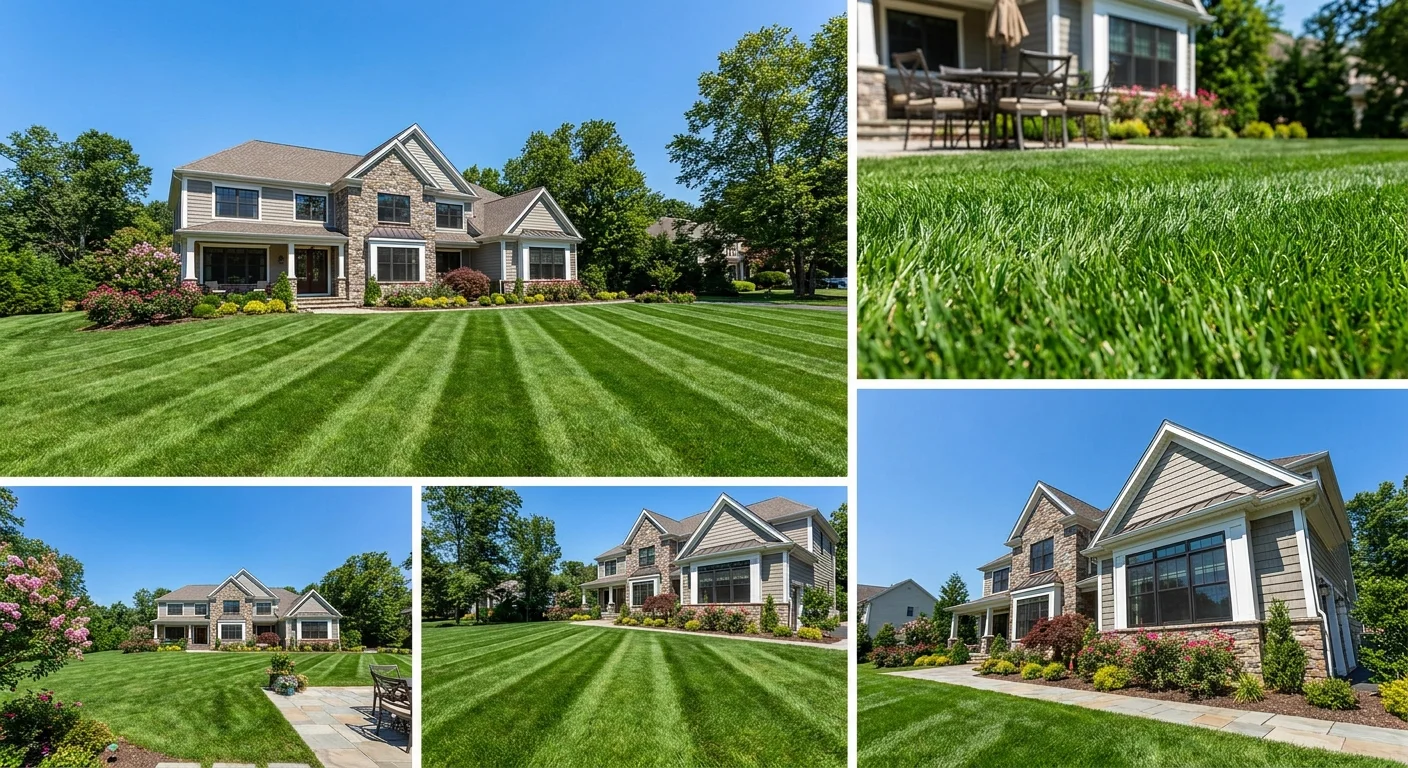
Maintaining a lush, healthy lawn in New Jersey requires a strategic approach tailored to our unique climate, soil conditions, and common regional challenges. The key to a vibrant turf is consistent, seasonal care, including proper mowing, intelligent watering, timely fertilization, and proactive pest and disease management. By understanding these fundamentals, homeowners can cultivate a beautiful outdoor space that enhances their property's curb appeal and provides a welcoming environment.
Why is NJ Lawn Care Unique?
NJ's Climate and Soil: A Foundation for Healthy Lawns
New Jersey's diverse climate, ranging from humid continental in the north to subtropical in the south, presents specific challenges and opportunities for lawn care. Our state experiences distinct four seasons, with hot, often humid summers and cold winters, alongside a variety of soil types—from the heavy clay in some northern counties to the sandy loams along the Jersey Shore, including areas like Long Branch and Asbury Park. These variations directly influence water retention, nutrient availability, and the types of grass that thrive. Understanding your specific soil composition, often through a professional soil test, is the first step towards a truly effective lawn care regimen, revealing pH levels and nutrient deficiencies that need addressing.
Understanding Your Turfgrass Type
Most lawns in New Jersey are composed of cool-season grasses, which flourish in the cooler temperatures of spring and fall. Common varieties include Kentucky Bluegrass, Perennial Ryegrass, and various types of Fescue (Tall Fescue, Fine Fescue). Each has different tolerances for sun, shade, drought, and foot traffic. For instance, Kentucky Bluegrass is prized for its rich color and ability to self-repair, while Tall Fescue offers excellent drought tolerance, making it a popular choice in areas like Monmouth County. Knowing your dominant grass type helps in selecting appropriate fertilizers, determining optimal mowing heights, and scheduling irrigation.
The Benefits of a Well-Maintained Lawn
Beyond aesthetic appeal, a healthy lawn offers numerous benefits for your home and the environment. It significantly enhances curb appeal, potentially increasing property value by 10-15%, making your home stand out in neighborhoods like Holmdel or Colts Neck. Lawns act as natural air filters, trapping dust and pollutants, and help cool the surrounding area during hot summer months. Furthermore, they reduce soil erosion, absorb rainwater, and provide a comfortable, safe space for outdoor activities. Investing in proper lawn care is an investment in your home's value, comfort, and ecological footprint.
A Year-Round Lawn Care Calendar for NJ
Spring Awakening: Revitalization and Prevention
Spring is a critical time for awakening your lawn from winter dormancy. As temperatures rise, typically from late March through May, focus on pre-emergent weed control to prevent crabgrass and other annual weeds from germinating. This should be applied when soil temperatures consistently reach 50-55°F. Light raking to remove winter debris, core aeration to alleviate compaction, and overseeding with appropriate cool-season grass varieties are also essential. Early spring fertilization with a balanced, slow-release formula helps jumpstart growth without causing excessive top growth that can lead to disease.
Summer Strategies: Survival and Sustenance
New Jersey summers, particularly in central and southern regions like Freehold, can be hot and humid, putting stress on cool-season grasses. The primary focus shifts to sustaining your lawn through heat and drought. Raise your mowing height to 3-3.5 inches to shade the soil and retain moisture. Implement deep, infrequent watering, aiming for about 1 inch of water per week, including rainfall. Avoid heavy fertilization during peak summer heat, as this can burn the lawn. Monitor closely for signs of pests like grubs and diseases such as brown patch, addressing issues promptly with targeted treatments.
Fall Preparation: Strengthening for Winter
Fall, from September through November, is arguably the most important season for lawn care in NJ. Cooler temperatures and increased rainfall provide ideal conditions for cool-season grasses to recover and strengthen. This is the best time for core aeration and overseeding, as the new grass has ample time to establish before winter. Apply a "winterizer" fertilizer, high in potassium, to promote root development and enhance cold hardiness. Continue regular mowing until growth stops, gradually lowering the blade to 2.5 inches for the final cut to minimize snow mold risk.
Winter Watch: Dormancy and Protection
During winter, typically December through February, your NJ lawn enters dormancy. While active growth ceases, the roots continue to store energy. Minimize foot traffic on frozen or snow-covered lawns to prevent damage to dormant grass blades. Ensure leaves and debris are cleared before heavy snowfalls to prevent smothering and fungal issues. This period is less about active care and more about protecting the groundwork laid in previous seasons, allowing your lawn to emerge strong in the spring.
Essential Lawn Care Practices: Mowing, Watering, and Feeding
Mowing Best Practices for a Lush Lawn
Proper mowing is fundamental to a healthy lawn. The "one-third rule" is crucial: never remove more than one-third of the grass blade's height in a single mowing. For most cool-season grasses in NJ, maintain a height of 2.5 to 3.5 inches, adjusting higher during summer stress. Mowing frequency depends on growth rate, typically once a week in spring and fall, and less frequently in summer. Keep your mower blades sharp; dull blades tear grass, leading to frayed tips that are susceptible to disease. Vary your mowing pattern each time to prevent soil compaction and rutting, especially in high-traffic areas.
Smart Watering: Hydration Without Waste
Efficient watering is vital, especially during dry spells in Red Bank or other areas. Deep, infrequent watering encourages roots to grow deeper, making the lawn more drought-resistant. Aim for approximately 1 inch of water per week, applied in one or two sessions, rather than frequent shallow sprinklings. Early morning (4-8 AM) is the best time to water, minimizing evaporation and allowing grass blades to dry before nightfall, which reduces the risk of fungal diseases. Consider using rain gauges or smart irrigation systems to ensure optimal water delivery and avoid overwatering, which can lead to root rot and nutrient leaching.
Fertilization, Aeration, and Overseeding Explained
These three practices are cornerstones of a robust lawn care program:
- Fertilization: Provides essential nutrients (Nitrogen, Phosphorus, Potassium) for growth and health. A typical NJ lawn benefits from 3-4 applications per year: early spring (balanced NPK), late spring (weed & feed or slow-release N), late summer/early fall (balanced NPK, often with P for root development), and late fall (winterizer, high K). Soil test results should guide specific nutrient ratios.
- Aeration: Involves removing small plugs of soil from the lawn to reduce compaction, improve air circulation, and allow water and nutrients to penetrate deeper into the root zone. This is best done in late summer or early fall when cool-season grasses are actively growing and recovering.
- Overseeding: Spreading new grass seed over an existing lawn to fill in thin spots, improve density, and introduce new, more robust varieties. This is most effective immediately after aeration in the fall, as the seeds have direct contact with the soil and benefit from the improved conditions.
Tackling Common NJ Lawn Pests and Diseases
Identifying and Treating Common Weeds (Crabgrass, Dandelions)
New Jersey lawns are susceptible to a variety of weeds. Crabgrass, an annual grassy weed, is best prevented with a pre-emergent herbicide application in early spring, before soil temperatures reach 55°F. Once it germinates, post-emergent herbicides are needed. Dandelions, broadleaf perennial weeds, are common and can be controlled with selective broadleaf herbicides, ideally applied when the plant is actively growing in spring or fall. For persistent weeds, spot treatments are effective. Consistent mowing at the correct height also helps suppress weed growth by shading the soil and preventing seed germination.
Managing Pests: Grubs and Other Invaders
Grubs are a significant lawn pest in NJ, causing extensive damage by feeding on grass roots. Signs include irregular brown patches that peel back easily like carpet, and increased animal digging. Preventive grub control products are typically applied in late spring/early summer (May-July) to target hatching grubs. Curative treatments can be used in late summer/early fall (August-September) if damage is observed. Other common pests include chinch bugs, which cause irregular yellow patches in hot, sunny areas, and sod webworms, which create small, silken tunnels near the soil surface. Proper identification is key to effective treatment, often requiring specific insecticides.
Combating Fungal Diseases: Brown Patch and Dollar Spot
Fungal diseases thrive in specific environmental conditions. Brown patch, for instance, is prevalent during hot, humid summer months, especially in Monmouth County and along the Jersey Shore, manifesting as circular brown patches with a smoky gray ring. Dollar spot appears as small, silver-dollar-sized sunken spots and is often associated with low nitrogen levels and prolonged leaf wetness. Preventing these diseases involves good cultural practices: proper watering (early morning), avoiding over-fertilization, ensuring good air circulation, and maintaining sharp mower blades. Fungicides can be used as a preventive measure or curative treatment for severe outbreaks, but cultural control remains the first line of defense.
Deciding Between DIY and Professional Lawn Care in NJ
When to Grab Your Tools: DIY Considerations
Many homeowners in NJ enjoy the satisfaction of caring for their own lawns. DIY is a viable option if you have the time, physical ability, and interest in learning proper techniques. Basic tasks like mowing, watering, and even some fertilization can be managed with readily available tools and products. DIY can be more cost-effective for smaller lawns or for those who simply enjoy being outdoors. However, it requires a commitment to consistent effort, research into specific products, and the willingness to invest in equipment like a quality mower, spreader, and sprayer. For specialized tasks like aeration or complex pest control, renting equipment or consulting resources like the Rutgers Cooperative Extension can be beneficial.
The Value of Professional Expertise
For homeowners with larger properties, busy schedules, or persistent lawn problems, professional lawn care services offer significant value. Experts bring specialized knowledge of NJ's climate, soil, and common issues, ensuring the right treatments at the right time. They have access to commercial-grade equipment and products that are more effective and precise than consumer-grade options. A professional service can diagnose issues like nutrient deficiencies, specific pest infestations, or fungal diseases accurately and implement targeted solutions, saving you time, effort, and often, money in the long run. Many services also offer integrated pest management (IPM) approaches, minimizing chemical use.
Choosing the Right Lawn Care Partner
When selecting a professional lawn care partner in New Jersey, look for companies with a strong local reputation, clear communication, and transparent pricing. Ask about their licensing, insurance, and the training of their technicians. A good company will offer customized treatment plans based on your lawn's specific needs, rather than a one-size-fits-all approach. Consider companies that offer comprehensive services, as this can streamline your home maintenance. IAC Home Improvement, with its 5.0 rating from 100+ Google reviews, exemplifies the kind of trusted, full-service partner you want for your home, ensuring quality results in everything they do.
Beyond the Lawn: IAC Home Improvement for Your Entire Home
Integrated Home Solutions for NJ Homeowners
While a beautiful lawn significantly enhances your home's exterior, IAC Home Improvement understands that true home value and comfort extend far beyond the grass. We are a full-service home improvement and construction company dedicated to handling nearly every aspect of your home's needs. From the moment you step inside, we can transform your living spaces with expert flooring installations—whether you're looking for hardwood refinishing (typically $2-$4 per square foot), new hardwood installation ($4-$7 per square foot), durable LVP ($3-$5 per square foot), elegant tile ($7-$12 per square foot), or comfortable carpet ($1.50-$3 per square foot). We also specialize in custom kitchen remodels, with projects typically ranging from $17,000 to $45,000, and luxurious bathroom transformations, often between $9,000 and $25,000.
Seamless Project Management, Start to Finish
At IAC Home Improvement, we pride ourselves on delivering a seamless, stress-free experience for homeowners across NJ, NY, and PA. Our comprehensive services mean you don't need to juggle multiple contractors for different projects. Whether you're considering a new deck installation (ranging from $10-$16 per square foot), interior painting (starting around $6-$11 per square foot depending on complexity and paint type), intricate carpentry work, or even masonry, concrete, and paver projects, we manage it all. Our licensed and insured team (NJ License #13VH13143000, PA License #PA188007) ensures consistent quality and communication from the initial consultation to project completion. We are your one trusted contractor for anything your home needs, delivering exceptional results that exceed expectations.
Your Trusted Partner for Home Transformation
Imagine coordinating a new kitchen, a bathroom renovation, and a deck expansion all with a single, reliable partner. That's the IAC Home Improvement advantage. We bring the same dedication to quality and customer satisfaction to every project, big or small. Our expertise spans interior and exterior work, including landscaping design and implementation, ensuring cohesion and beauty across your entire property. Ready to discuss your next home transformation? Visit our contact page or explore our online cost calculator for a preliminary estimate on your flooring or remodeling project. You can reach us directly at (848) 234-0283 or email contact@iachomeimprovement.com. Let IAC Home Improvement be your trusted partner for creating the home of your dreams.
Frequently Asked Questions About NJ Lawn Care
When is the best time to fertilize my lawn in New Jersey?
The best times to fertilize a cool-season lawn in New Jersey are early spring (March-April) to kickstart growth, late spring (May-June) for sustained health, late summer/early fall (September) for recovery, and late fall (November) with a "winterizer" formula to promote root development before winter dormancy.
How often should I water my lawn in NJ during summer?
During NJ summers, aim for deep, infrequent watering, providing about 1 inch of water per week, including natural rainfall. This typically means watering once or twice a week, depending on soil type and temperatures, preferably in the early morning to minimize evaporation and disease risk.
What are common signs of grubs in an NJ lawn?
Common signs of grubs in an NJ lawn include irregular brown, dead patches that appear in late summer or early fall, often feeling spongy when walked on. The turf in these areas can be easily pulled back like a piece of carpet, revealing the C-shaped white grubs underneath. Increased animal digging (skunks, birds) in your lawn is also a strong indicator.
Is aeration and overseeding really necessary for my lawn?
Yes, aeration and overseeding are highly beneficial and often necessary for healthy cool-season lawns in New Jersey. Aeration alleviates soil compaction, allowing water, nutrients, and air to reach the roots more effectively. Overseeding introduces new grass varieties, improves lawn density, fills in bare spots, and enhances overall resilience to pests and diseases, particularly when done in the fall.
Authoritative resource: This Old House.