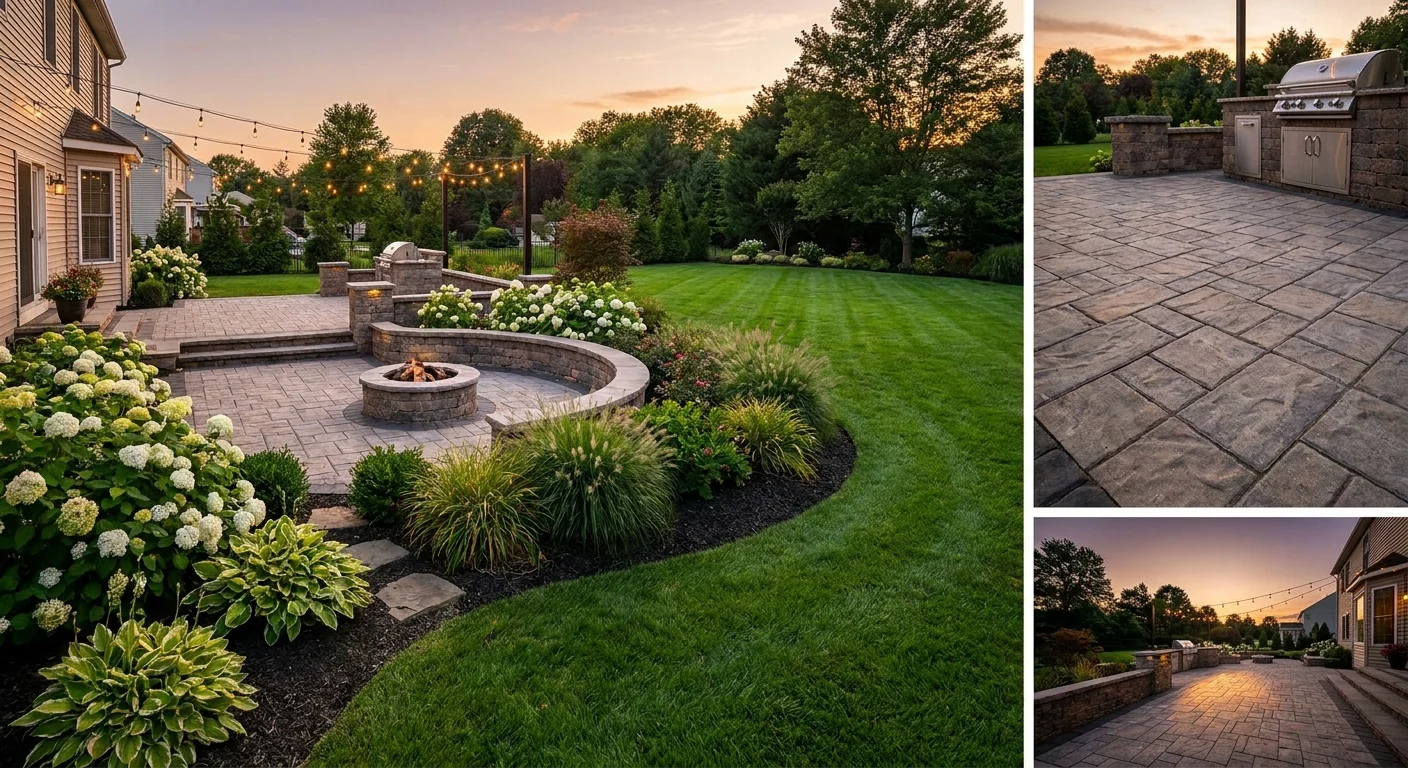
Transforming your outdoor space in New Jersey offers immense potential to enhance curb appeal, create functional living areas, and boost your property's value. Effective landscape design for NJ yards involves carefully considering the local climate, soil conditions, and your personal lifestyle to craft a beautiful, sustainable, and enjoyable environment. From coastal properties in Asbury Park to suburban homes in Holmdel, the right design can turn a simple yard into a cherished oasis.
Understanding Your NJ Yard's Unique Landscape
New Jersey's diverse geography, from the Appalachian Ridge and Valley in the north to the Atlantic Coastal Plain in the south, presents unique opportunities and challenges for landscape design. A successful project begins with a thorough understanding of your specific site's characteristics.
Analyzing Your Site: Sun, Soil, and Slope
Before any design work begins, conduct a detailed site analysis. Map out sun exposure throughout the day, noting areas of full sun, partial shade, and deep shade. Test your soil composition and pH; many areas of New Jersey, particularly in Monmouth County, have clay-rich soils that benefit from amendments to improve drainage and nutrient availability. Observe natural water flow and any existing slopes, which can inform decisions about retaining walls, drainage solutions, or terraced gardens. Understanding these elements is crucial for selecting appropriate plants and hardscaping materials that will thrive.
Navigating NJ's Climate and Regional Zones
New Jersey falls primarily within USDA Plant Hardiness Zones 6a to 7b, meaning most areas experience cold winters and warm, humid summers. Coastal regions, like those along the Jersey Shore in Long Branch and Asbury Park, may experience salt spray and strong winds, requiring salt-tolerant plant selections. Inland areas, such as Freehold or Colts Neck, might face more extreme temperature fluctuations. Selecting plants hardy to your specific zone and adaptable to local conditions ensures longevity and reduces maintenance. Consider frost dates and seasonal changes when planning for year-round interest.
Local Regulations and Permits
Before breaking ground, investigate local zoning ordinances and permitting requirements. Many municipalities in NJ, NY, and PA have regulations concerning impervious coverage (the amount of land covered by non-permeable surfaces like patios and driveways), fence heights, and tree removal. If your property is part of a homeowners' association (HOA), like in many newer developments in Holmdel, you'll need to adhere to their specific architectural and landscaping guidelines. Failing to secure necessary permits can lead to delays and costly fines, making early research a critical step.
Designing for Curb Appeal: Front Yard Transformations
The front yard is your home's first impression, significantly impacting its curb appeal and perceived value. Thoughtful design can create a welcoming atmosphere and enhance the architectural style of your home, whether it's a traditional colonial in Red Bank or a modern beach house in Asbury Park.
Entryway Enhancements and Welcoming Paths
A well-designed entryway draws visitors in and provides a safe, attractive path to your front door. Consider materials like bluestone pavers, natural flagstone, or decorative concrete for walkways that complement your home's exterior. Incorporate low-voltage landscape lighting along paths for safety and nighttime ambiance. Flanking your front door with inviting container gardens or symmetrical plantings can further enhance the welcome. For homes with historic charm, like those found in older sections of Asbury Park, materials that reflect the period can add significant character.
Strategic Planting for Visual Impact
Layering plants of varying heights, textures, and colors creates depth and year-round interest. Begin with evergreen shrubs for foundational structure, then add deciduous shrubs for seasonal color, and finally, perennials and annuals for vibrant blooms. Choose plants that mature to an appropriate size for their location to avoid overcrowding. Native plants, which we'll discuss further, are excellent choices for their adaptability and ecological benefits. Consider a cohesive color palette that complements your home's exterior for a polished look.
Defining Spaces with Low Walls and Edging
Low retaining walls, made from natural stone, brick, or decorative concrete blocks, can define planting beds, level sloped areas, and create a sense of enclosure. Edging materials, such as metal, plastic, or natural stone, provide a crisp division between lawn and garden beds, making maintenance easier and giving your landscape a professional finish. These elements add structure and visual interest, elevating the overall design of your front yard.
Creating Functional Outdoor Living Spaces
Beyond aesthetics, modern landscape design focuses on extending your home's living area outdoors. From intimate patios to expansive entertainment zones, these spaces become extensions of your lifestyle, perfect for enjoying New Jersey's beautiful seasons.
Patios and Decks: The Foundation of Outdoor Life
Patios and decks serve as the anchor for most outdoor living areas. Patios, often constructed from pavers, natural stone, or stamped concrete, are durable and low-maintenance, ideal for dining and lounging. Decking, whether pressure-treated wood, cedar, or composite materials, offers elevation and can be seamlessly integrated with your home. The cost for deck installation in NJ typically ranges from $10 to $16 per square foot, depending on materials and complexity. Composite decking, for example, offers superior longevity and less maintenance compared to natural wood, which may require annual sealing.
When selecting decking materials for your NJ home, consider the following:
- Pressure-Treated Wood: A cost-effective option, durable against rot and insects, but requires regular staining/sealing.
- Cedar/Redwood: Naturally resistant to rot and insects, beautiful aesthetic, but softer and more expensive than treated wood, also requires maintenance.
- Composite Decking: Made from recycled plastics and wood fibers, highly durable, low maintenance, resistant to fading and splintering, but higher upfront cost.
- PVC Decking: Fully synthetic, offers the highest resistance to moisture, mold, and insects, virtually maintenance-free, but can be more expensive.
Outdoor Kitchens and Dining Areas
Imagine cooking and dining al fresco on a warm summer evening. Outdoor kitchens can range from simple grill stations to elaborate setups with built-in refrigerators, sinks, and pizza ovens. Pair these with a spacious dining area, perhaps under a pergola or retractable awning for shade, to create the ultimate entertaining zone. Proper planning for utilities like gas, water, and electricity is essential for these features.
Fire Features and Cozy Retreats
Extend the usability of your outdoor space into cooler evenings with a fire feature. Built-in gas fire pits offer convenience and clean burning, while wood-burning fire pits provide a traditional campfire experience. Outdoor fireplaces can serve as a focal point, adding architectural interest and warmth. Complement these with comfortable seating, such as built-in stone benches or weather-resistant lounge furniture, to create a cozy retreat perfect for relaxation or intimate gatherings.
Water Features and Serene Elements
The gentle sound of flowing water can transform your yard into a tranquil escape. Water features, from bubbling fountains and cascading waterfalls to koi ponds, add a sensory dimension to your landscape. They attract local wildlife, like birds and butterflies, and can help mask unwanted neighborhood noise, creating a more peaceful environment. Proper filtration and maintenance are key to keeping water features clean and healthy.
Sustainable & Low-Maintenance Landscaping for NJ
For many homeowners in NJ, NY, and PA, a beautiful yard that requires minimal upkeep is the ideal. Sustainable landscaping practices not only reduce maintenance but also benefit the environment, conserving water and supporting local ecosystems.
Native Plants and Drought-Tolerant Solutions
Embrace New Jersey's natural beauty by incorporating native plants into your design. Species like Eastern Redbud, Sweet Pepperbush, Coneflower, and Switchgrass are adapted to the local climate and soil, requiring less water, fertilizer, and pest control. Drought-tolerant plants, such as Sedum, Lavender, and various ornamental grasses, are excellent choices for reducing water consumption, especially during dry spells. These plants are often more resilient and contribute to local biodiversity.
Smart Irrigation and Water Management
Efficient watering is crucial for a sustainable landscape. Consider installing a smart irrigation system that uses weather data and soil moisture sensors to water only when and where needed, significantly reducing water waste. Drip irrigation systems are highly effective for delivering water directly to plant roots, minimizing evaporation. Rain barrels can collect rainwater from your roof, providing a free and sustainable water source for your gardens.
Mulching and Soil Health
A generous layer of organic mulch (2-4 inches) over garden beds offers multiple benefits. It suppresses weeds, conserves soil moisture by reducing evaporation, moderates soil temperature, and enriches the soil as it decomposes. Options include shredded hardwood, pine bark, or cedar mulch. Regular soil testing and amending with compost or other organic matter will improve soil structure, fertility, and overall plant health, making your garden more resilient.
Integrated Pest Management (IPM)
Adopt an Integrated Pest Management approach to minimize the need for chemical pesticides. This involves monitoring for pests, encouraging beneficial insects (like ladybugs and lacewings), using resistant plant varieties, and employing targeted treatments only when necessary. A healthy, diverse landscape is naturally more resistant to pest outbreaks, promoting a balanced ecosystem in your yard.
Integrating Hardscape and Softscape Elements
A truly exceptional landscape design achieves harmony between hardscape (non-living elements like patios, walkways, and walls) and softscape (living elements like plants, trees, and lawns). This balance creates functional spaces that are also aesthetically pleasing and environmentally sound.
Balancing Structure with Greenery
Hardscaping provides the bones of your landscape, defining pathways, creating gathering areas, and managing elevation changes. Softscaping brings life, color, and texture, softening the hard edges and integrating the built environment with nature. A well-designed yard features a thoughtful interplay, where a sturdy paver patio might be bordered by lush planting beds, or a stone retaining wall supports a cascade of flowering shrubs. This balance is key to a cohesive and inviting outdoor space.
Material Selection for Hardscaping
The choice of hardscape materials significantly impacts the look, feel, and longevity of your landscape. For patios and walkways, options include natural stone (bluestone, flagstone), concrete pavers (available in various colors and patterns), stamped concrete, or permeable pavers for improved drainage. Retaining walls can be built from natural stone, segmental retaining wall blocks, or timber. When selecting, consider durability, aesthetic compatibility with your home, and local climate resistance. IAC Home Improvement offers expert masonry, concrete, and paver services, ensuring your hardscaping is built to last.
Softscape: The Living Elements
Softscape elements—trees, shrubs, perennials, annuals, and turf—introduce dynamic beauty and seasonal change. Trees provide shade, privacy, and vertical interest. Shrubs offer structure and screening. Perennials return year after year, providing reliable color, while annuals offer vibrant, temporary displays. The strategic placement of these living elements can direct views, create intimate zones, and enhance the architectural features of your home, making your yard a vibrant and evolving canvas.
Planning Your Landscape Project & Budget
Embarking on a landscape design project is an investment in your home and lifestyle. Careful planning, from defining your vision to understanding costs, ensures a successful outcome that meets your expectations and budget.
Defining Your Vision and Prioritizing Features
Begin by envisioning how you want to use your outdoor space. Do you dream of a vibrant garden, a serene retreat, or an expansive entertainment area? Create a wish list of features, from a new patio and fire pit to specific garden types or water features. Prioritize these elements based on your needs, lifestyle, and budget. A comprehensive landscape design plan, often developed with a professional, can help integrate these ideas into a cohesive and functional layout, potentially phasing the project over time if needed.
Understanding Project Costs and ROI
Landscape project costs in New Jersey can vary widely, from a few thousand dollars for a simple refresh to $50,000+ for a complete overhaul, depending on the scope, materials, and complexity. For example, a basic landscape refresh might involve new plantings and mulching, while a full backyard transformation could include a custom patio (tile installation typically $7-$12/sqft), an outdoor kitchen, and extensive hardscaping. Investing in quality landscaping can yield a significant return on investment, often between 7% and 15% of your home's value, by boosting curb appeal and functionality. Use our convenient online cost calculator for initial estimates on various home improvement projects.
Here’s a general overview of pricing for common home improvement services:
- Hardwood Refinishing: $2-$4 per square foot
- Hardwood Installation: $4-$7 per square foot
- Vinyl Flooring (LVP/LVT): $3-$5 per square foot
- Laminate Flooring: $3.50-$4.50 per square foot
- Carpet Installation: $1.50-$3 per square foot
- Kitchen Remodeling: $17,000-$45,000+
- Bathroom Remodeling: $9,000-$25,000+
- Interior Painting: $6-$11 per square foot (depending on number of coats/detail)
Choosing the Right Landscape Partner
Selecting an experienced, licensed, and reputable contractor is paramount. Look for a company with a strong portfolio, positive reviews, and a deep understanding of local conditions. IAC Home Improvement is a full-service home improvement and construction company serving NJ, NY, and PA. Beyond just landscaping, we handle your entire project from flooring, kitchen & bathroom remodeling, interior/exterior painting, carpentry, decks, masonry/concrete/paver work, and more – providing one trusted contractor for anything your home needs. We are proud to hold NJ License #13VH13143000 and PA License #PA188007, and boast a 5.0-star rating with over 100 Google reviews. Contact us today at (848) 234-0283 or email contact@iachomeimprovement.com to discuss your vision, or visit our contact page.
Frequently Asked Questions About NJ Landscape Design
Many homeowners have specific questions when beginning their landscape design journey. Here are some common queries and their concise answers.
What are the best low-maintenance plants for a New Jersey yard?
For low-maintenance in NJ, consider native plants like Coneflower (Echinacea), Black-Eyed Susan (Rudbeckia), Switchgrass (Panicum virgatum), and Little Bluestem (Schizachyrium scoparium). Non-native but hardy options include Hostas, Sedum, Lavender, and certain ornamental grasses, which are all drought-tolerant and generally disease-resistant once established.
How much does a typical landscape design project cost in NJ?
A typical landscape design project in New Jersey can range from $5,000 for a basic refresh (new plantings, mulching) to $50,000 or more for a comprehensive backyard transformation involving extensive hardscaping, outdoor kitchens, and complex planting schemes. Factors like material choices, labor costs, and project complexity significantly influence the final price. For a more detailed estimate, consider using our online cost calculator.
What permits do I need for a major landscaping project in New Jersey?
Permit requirements vary by municipality in New Jersey. Generally, you'll need permits for significant hardscaping like new patios over a certain size, retaining walls above 4 feet, decks, fences over 6 feet, and any changes that affect drainage or impervious coverage. Tree removal may also require permits. Always check with your local zoning and building departments, and your HOA if applicable, before starting any major work.
How long does a landscape design and installation project usually take?
The duration of a landscape project depends heavily on its scope and complexity. A smaller project like a garden bed installation might take 1-2 weeks. A full backyard renovation involving design, hardscaping, and planting could take 4-12 weeks, or even longer for very elaborate designs. Weather conditions, material availability, and permit approvals can also impact the timeline.
Authoritative resource: This Old House.