When preparing to enhance your home with new hardwood floors, selecting the right installer in New Jersey is a critical decision that impacts both the aesthetics and longevity of your investment. With over a decade of experience and holding NJ License #13VH13143000, IAC Home Improvement, serving Monmouth County and beyond, guides homeowners through this process to ensure a flawless installation by 2026. This comprehensive checklist provides the essential questions to ask potential contractors, helping you vet their expertise, understand their quotes, and avoid common pitfalls before you commit.
Why is Vetting a Hardwood Floor Installer in New Jersey So Important?
Vetting a hardwood floor installer is crucial for ensuring a high-quality, durable, and aesthetically pleasing result that stands the test of time. Improper installation can lead to costly repairs, voided warranties, and significant frustration, making due diligence an indispensable first step for homeowners in Long Branch, Red Bank, and across the tri-state area.
Protecting Your Investment and Home Value
Hardwood flooring is a significant investment that can add considerable value and appeal to your home. A professional installation ensures the material performs as intended, preventing issues like warping, gapping, or squeaking, which can diminish both the look and structural integrity over time. Quality workmanship safeguards your financial outlay and enhances your property's market value.
The Risks of Unlicensed or Inexperienced Contractors
Hiring an unlicensed or inexperienced contractor for hardwood flooring installation carries substantial risks. These can range from poor craftsmanship and project delays to a lack of proper insurance coverage, leaving you vulnerable to liability for accidents on your property. Always prioritize licensed and insured professionals to protect your home and your peace of mind.
What Licenses, Insurance, and Credentials Should an Installer Have in NJ?
Before any work begins, verifying an installer's licenses, insurance, and professional credentials is non-negotiable for homeowners in New Jersey, New York, and Pennsylvania. These documents confirm their legitimacy, adherence to state regulations, and ability to protect both their team and your property.
Verifying Contractor Licenses (NJ & PA)
In New Jersey, a home improvement contractor must hold a valid license issued by the Division of Consumer Affairs, such as IAC Home Improvement's NJ License #13VH13143000. For projects in Pennsylvania, a PA Home Improvement Contractor registration, like IAC's PA License #PA188007, is required. Always ask for proof and verify these numbers online with the respective state authorities to confirm they are active and in good standing.
Understanding Insurance: Liability and Workers' Comp
A reputable hardwood floor installer should carry both general liability insurance and workers' compensation insurance. General liability protects your property from damage caused by the contractor, while workers' compensation covers their employees in case of on-the-job injuries. Request current certificates of insurance directly from their insurance provider, not just a copy from the contractor, to ensure coverage is active and adequate.
Checking References and Online Reviews
Beyond official documents, investigate an installer's reputation by checking references and reading online reviews. Look for patterns in feedback regarding punctuality, communication, cleanliness, and quality of work. Companies like IAC Home Improvement are rated 5.0 on Google with over 100 reviews, offering transparency and confidence to prospective clients.
Ready to discuss your hardwood flooring project with a trusted, licensed, and insured expert? Call us today at (848) 358-7694, text us a photo of your space, or request a free estimate for your home in Freehold, Holmdel, or anywhere in our service area. You can also learn more about our comprehensive hardwood installation services.
What Questions Should I Ask About the Installation Process Itself?
A thorough understanding of the installation process demonstrates an installer's expertise and ensures they follow industry best practices. Asking detailed questions about each phase, from preparation to finishing, helps set clear expectations and identifies potential issues before they arise.
Subfloor Preparation: Moisture, Flatness, and Repairs
Proper subfloor preparation is foundational to a successful hardwood installation. Ask the installer if they will test the subfloor for moisture content using a professional meter, aiming for levels typically between 6% and 9% for wood subfloors, and ensure the subfloor is flat within 1/8 inch over 6 feet. In Monmouth County homes, especially older ones, subfloor repairs like leveling or replacing damaged sections are often necessary and should be included in the quote. A licensed pro must handle these critical structural preparations.
Acclimation, Delivery, and Site Conditions
Hardwood flooring materials need to acclimate to your home's environment before installation to prevent expansion or contraction issues later. Inquire about the acclimation period, which typically ranges from 3 to 7 days, and confirm who is responsible for material delivery and proper storage on-site. The installer should also assess ambient temperature and humidity levels to ensure they are within the manufacturer's recommended range for optimal results.
Installation Methods: Nail-Down, Glue-Down, or Floating
Different types of hardwood and subfloors require specific installation methods. Ask the installer to explain whether they will use a nail-down, glue-down, or floating method and why that particular technique is best suited for your chosen flooring and subfloor. For solid hardwood on a plywood subfloor, nail-down is common, while engineered wood might be glued or floated, particularly over concrete. An expert will understand these nuances and articulate the best approach for your home in Colts Neck or Manalapan.
Waste Factor and Material Handling
Inevitably, some flooring material will be cut and unused, known as the waste factor. Discuss the estimated waste factor, which is typically 5-10% for straight layouts and can be higher for complex patterns like herringbone or diagonal installations. Clarify how the installer handles excess materials and debris removal, ensuring a clean and efficient workspace.
How Do Hardwood Floor Installation Quotes Break Down in New Jersey?
Understanding the components of a hardwood floor installation quote is essential for comparing bids fairly and avoiding hidden costs. A clear, comprehensive quote from a full-service home improvement company like IAC will detail all aspects of the project.
Understanding Labor vs. Material Costs
Hardwood floor installation quotes often separate labor from material costs. For straight-lay solid or engineered hardwood, labor typically starts from about $4 per square foot. More intricate patterns like herringbone or chevron installations have higher labor costs, starting from about $12 per square foot. The wood itself is chosen and priced separately, allowing homeowners to select their preferred species and finish. Total projects for hardwood installation generally start from $1,300.
What's Included: Removal, Baseboards, and Transitions
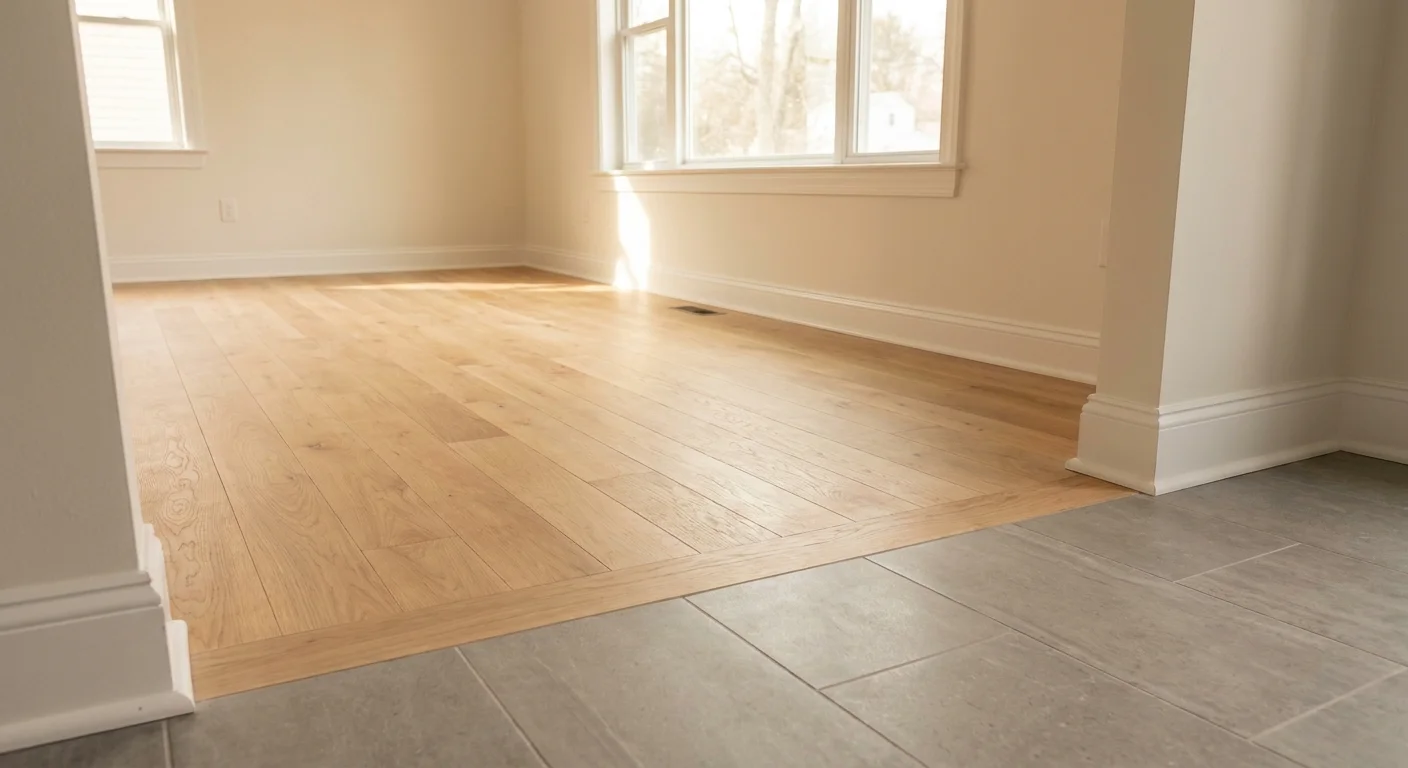
Clarify what is explicitly included in the quote beyond just laying the new floor. Ask about the removal and disposal of old flooring, any necessary subfloor repairs, and the installation of new shoe molding or baseboards. Transition pieces, which bridge different flooring types or rooms, are also crucial details to confirm. A transparent quote should cover these aspects, preventing unexpected additional charges.
Specifics for Stairs and Complex Layouts
Installing hardwood on stairs is a specialized task that requires precision and additional labor. Always ask for stairs to be quoted per staircase or per tread/riser, as this significantly impacts the overall cost. Similarly, complex layouts, such as diagonal patterns or multiple rooms with intricate cuts, will require more time and skill, affecting the labor portion of the estimate. For example, a project in Middletown with a challenging staircase or unique room shapes will be quoted after a free on-site visit.
Navigating Price Ranges for Different Hardwood Types
The total cost of your hardwood flooring project will vary significantly based on the type of wood you select. Solid hardwood, engineered hardwood, and different species (e.g., oak, maple, hickory) come with their own price points for materials. While IAC Home Improvement provides labor-only pricing starting from $4 per square foot for standard installations, the material cost can range widely. Be sure to discuss material options and their impact on your budget with your installer. For a detailed breakdown of potential costs, you can explore resources like our hardwood floor cost guide.
| Task | When | Why It Matters |
|---|---|---|
| Subfloor Moisture Test | Before material delivery | Prevents warping, cupping, and gapping after installation. |
| Hardwood Acclimation | 3-7 days before installation | Allows wood to adjust to home's humidity, minimizing movement. |
| Baseboard/Trim Removal | Before new flooring is laid | Ensures a clean finish; new trim can cover expansion gaps. |
| Final Walkthrough | Upon project completion | Verifies satisfaction and addresses any concerns before final payment. |
What Warranty and Post-Installation Support Should I Expect?
A reputable hardwood floor installer stands behind their work. Understanding the warranty coverage and the level of post-installation support ensures long-term satisfaction and provides peace of mind.
Manufacturer vs. Installer Warranties
It's important to distinguish between the hardwood manufacturer's warranty, which covers the product itself, and the installer's warranty, which covers the workmanship. Ask your contractor about the duration and specifics of their installation warranty. A strong installer warranty, typically covering issues related to improper installation for a certain period, is a mark of confidence in their expertise.
Care and Maintenance Recommendations
Proper care is essential for maintaining the beauty and longevity of your new hardwood floors. Your installer should provide clear recommendations on cleaning products, techniques, and environmental controls (like humidity levels) to help preserve your investment. They might also advise on protective measures for furniture and heavy traffic areas.
Addressing Potential Issues After Installation
Even with the best preparation, minor issues can sometimes arise. Discuss the process for addressing any concerns or defects that appear after installation. A reliable contractor will have a clear system for follow-up and remediation, demonstrating their commitment to client satisfaction. This responsiveness is a hallmark of a trusted partner like IAC Home Improvement, a full-service home improvement company that handles everything from flooring to kitchen and bathroom remodeling, painting, carpentry, basements, decks, masonry, concrete, and pavers, providing one trusted contractor for the whole home.
What Are Common Red Flags When Hiring a Hardwood Installer?
Being aware of common red flags can save homeowners from significant headaches and financial losses. Trust your instincts and be cautious of installers who exhibit any of these warning signs.
Avoiding Lowball Bids and Pressure Tactics
Extremely low bids that significantly undercut other quotes can be a major red flag, often indicating corners will be cut or the contractor lacks proper insurance. Similarly, installers who pressure you for an immediate decision or a large upfront payment without a detailed contract should be avoided. A professional will provide a fair, transparent quote and allow you time to make an informed decision.
Lack of Clear Communication or Written Agreements
Poor communication, such as unreturned calls or vague answers, is a strong indicator of potential problems. A reputable installer will maintain clear, consistent communication and provide a detailed written contract that outlines the scope of work, materials, timeline, payment schedule, and warranty information. Never proceed with a verbal agreement for a significant home improvement project.
Insufficient Documentation and Proof of Credentials
If an installer is hesitant to provide proof of their licenses, insurance, or references, or if the documents they provide seem incomplete or expired, consider it a serious warning. Legitimate contractors are proud to share their credentials and will readily offer verifiable documentation to build trust with homeowners in Asbury Park, Eatontown, and beyond.
Frequently Asked Questions About Hardwood Floor Installation
How long does hardwood floor installation typically take?
The timeline for hardwood floor installation varies based on the project's size, complexity, and the specific installation method. Generally, for a standard room (e.g., 200-500 sq ft), installation can take 2-4 days, not including the 3-7 day acclimation period for the wood. Larger projects or those involving stairs and intricate patterns will naturally require more time.
Do I need to move all my furniture before the installers arrive?
Yes, homeowners are typically responsible for clearing the installation area completely. This includes moving all furniture, rugs, and any personal items from the rooms where hardwood floors will be installed. This preparation ensures the installers have a clear and safe workspace, allowing them to complete the project efficiently without delays.
What's the difference between solid and engineered hardwood?
Solid hardwood is a single piece of wood throughout its thickness, offering timeless appeal and the ability to be refinished multiple times. Engineered hardwood consists of a top layer of real wood veneer bonded to multiple layers of plywood or high-density fiberboard, making it more stable against moisture fluctuations and suitable for installation in basements or over concrete slabs.
Can hardwood floors be installed over radiant heating?
Yes, certain types of hardwood floors can be installed over radiant heating systems, but it requires careful consideration. Engineered hardwood is generally preferred over solid hardwood for radiant heat applications due to its increased stability and resistance to temperature and humidity changes. Always consult with your installer and the flooring manufacturer to ensure compatibility and prevent potential issues.
Authoritative resource: National Wood Flooring Association.