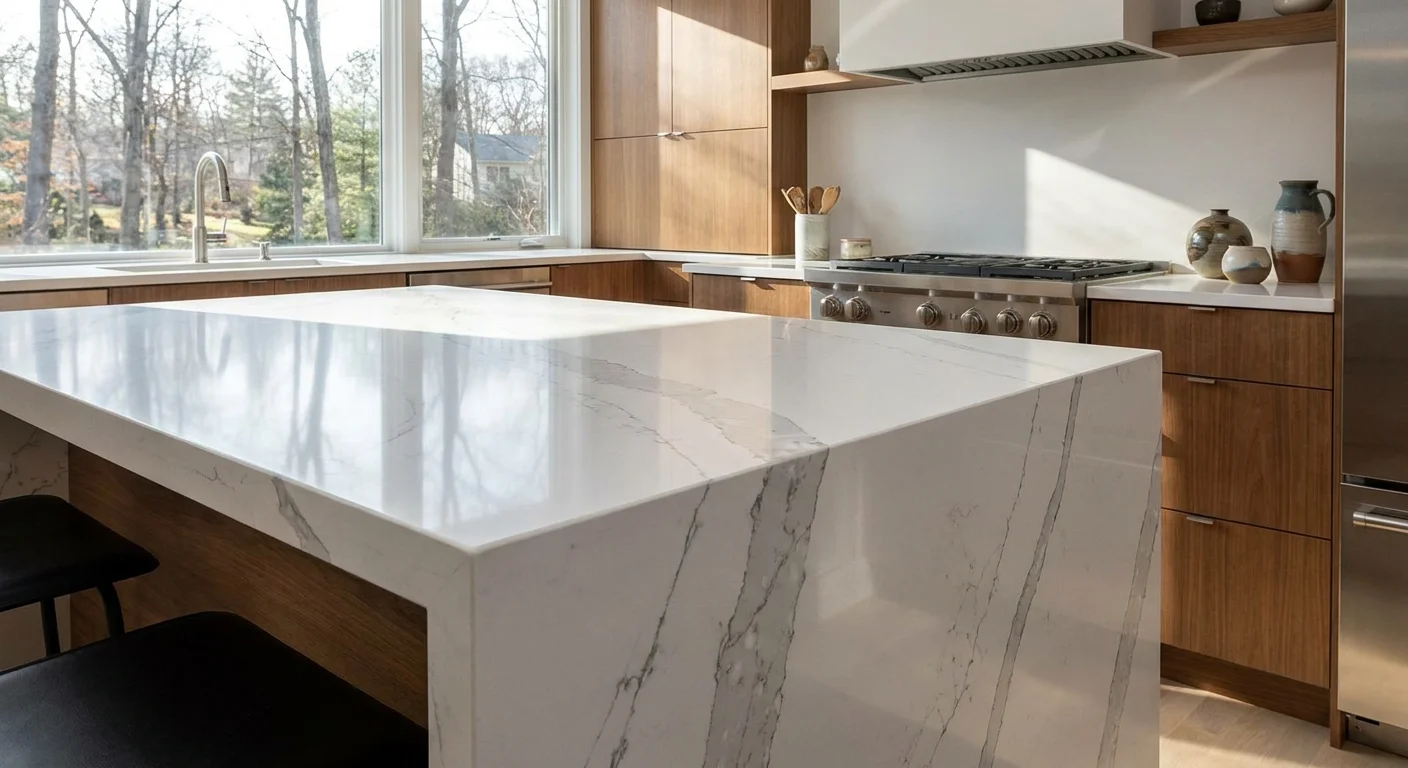
Choosing the right countertop material is a pivotal decision for any kitchen or bathroom remodel in New Jersey, New York, or Pennsylvania. The ideal countertop strikes a balance between aesthetics, durability, and maintenance requirements. While quartz, granite, and marble remain perennial favorites, each offers distinct benefits and considerations, making the best choice dependent on your specific lifestyle, budget, and design vision.
Understanding Your Countertop Choices: A Foundation
Engineered vs. Natural Stone: The Core Difference
The fundamental distinction in countertop materials lies between engineered and natural stone. Natural stones like granite, marble, and quartzite are quarried directly from the earth, showcasing unique patterns, veining, and color variations formed over millennia. No two slabs are identical, offering an unparalleled sense of individuality. Engineered stones, predominantly quartz, are manufactured by combining crushed natural quartz crystals (typically 90-95%) with resins, polymers, and pigments. This process results in a non-porous, highly consistent material with a wider range of predictable colors and patterns.
Key Factors for Countertop Selection in NJ Homes
When selecting countertops for your Holmdel, Colts Neck, or Red Bank home, several factors should guide your decision. Beyond visual appeal, consider the daily demands your countertops will face. A busy family kitchen in Freehold will have different needs than a less-frequented guest bathroom in Asbury Park. Key factors include:
- Lifestyle and Usage: Do you cook frequently? Do you have young children or pets?
- Maintenance Commitment: Are you willing to seal natural stone periodically or prefer a low-maintenance option?
- Aesthetic Preference: Do you prefer the organic beauty of natural stone or the consistent look of engineered materials?
- Budget: Countertop costs vary significantly by material, fabrication, and installation complexities.
- Home Value: Consider how the material choice impacts your home's long-term appeal and resale value in Monmouth County.
Beyond Aesthetics: Performance Metrics that Matter
While visual appeal is often the first consideration, understanding the performance metrics of different materials is crucial for long-term satisfaction. These include hardness (resistance to scratching), porosity (resistance to staining and bacterial growth), and heat resistance. For example, granite typically registers between 6-7 on the Mohs hardness scale, making it highly scratch-resistant, whereas marble is softer, usually scoring 3-5, and more susceptible to etching from acidic substances. Engineered quartz, being non-porous, offers superior stain resistance compared to most natural stones, which require sealing.
Deep Dive into Popular Countertop Materials
Quartz: Engineered Excellence for Modern Living
Quartz countertops have surged in popularity, particularly in modern kitchen designs across the Jersey Shore. Composed primarily of natural quartz, resins, and pigments, this engineered stone offers remarkable consistency in color and pattern, making it easier to achieve a cohesive design. Brands like Caesarstone, Silestone, and Cambria are renowned for their extensive collections. Quartz is non-porous, meaning it resists stains from liquids like wine, coffee, and oil, and it doesn't harbor bacteria, making it highly hygienic. It never requires sealing. While highly durable, quartz can be susceptible to damage from extreme heat, so always use trivets for hot pots and pans.
Granite: Nature's Enduring Masterpiece
Granite remains a timeless choice, celebrated for its unique natural beauty and exceptional durability. Each slab is a geological fingerprint, with variations in mineral composition creating distinct patterns, flecks, and veins. Quarried globally, granite offers a vast spectrum of colors, from subtle grays and whites to bold blues and reds. It is incredibly hard and resistant to scratches and chips, making it ideal for busy kitchens. Granite can withstand high temperatures, often tolerating hot pans directly from the stove. However, as a porous natural stone, granite requires periodic sealing (typically every 1-3 years, depending on use and sealant quality) to prevent staining and maintain its luster. When properly cared for, granite can last a lifetime, a testament to its enduring appeal in homes from Long Branch to Holmdel.
Marble: Timeless Luxury with Specific Care Needs
Marble countertops exude an unparalleled sense of luxury and classic elegance, instantly elevating any space. Prized for its distinctive veining and soft, luminous appearance, marble is a metamorphic rock formed from recrystallized carbonate minerals. While undeniably beautiful, marble is a softer, more porous stone than granite or quartz. It is susceptible to etching from acidic foods and liquids (like lemon juice, vinegar, and certain cleaning products) and can stain if spills are not wiped up promptly. For homeowners in New York or Pennsylvania who appreciate its unique aesthetic and are prepared for its specific maintenance, marble offers a sophisticated design statement. Many choose marble for areas less prone to heavy use, such as bathroom vanities or kitchen islands dedicated to baking.
Butcher Block and Solid Surface: Versatile Alternatives
Beyond stone, butcher block and solid surface materials offer compelling alternatives. Butcher block countertops, made from strips of wood glued together, provide a warm, organic feel perfect for farmhouse or traditional kitchens. They are renewable, can be sanded and refinished to remove scratches and stains, and are relatively affordable. However, they require regular oiling to maintain their condition and are susceptible to water damage and bacterial growth if not properly sealed and maintained. Solid surface countertops (e.g., Corian) are made from acrylic or polyester plastics, offering a seamless look, especially with integrated sinks. They are non-porous, hygienic, and scratches can often be buffed out. While not as heat-resistant or hard as stone, solid surface is a versatile, mid-range option for many homeowners seeking a clean, contemporary aesthetic.
Durability, Maintenance, and Heat Resistance Compared
Scratch, Chip, and Stain Resistance: A Critical Look
When evaluating countertop materials, understanding their resistance to daily wear and tear is paramount. Quartz, thanks to its high quartz content (a very hard mineral), offers excellent scratch and chip resistance, often comparable to granite. Its non-porous nature makes it virtually impervious to staining from common household spills, assuming they are cleaned within a reasonable timeframe. Granite is also highly scratch and chip resistant, though its porosity means it can stain if not properly sealed. Marble, being softer, is the most susceptible to scratches, chips, and especially etching from acids, which dulls its polished surface. Butcher block can scratch and dent but is repairable through sanding. Solid surface is softer than stone but resists stains well.
Heat Tolerance and Impact on Material Longevity
Heat resistance is another crucial factor, particularly for kitchen countertops. Granite boasts exceptional heat resistance; hot pots can typically be placed directly on its surface without damage, though trivets are always recommended as a best practice to prevent thermal shock over time. Quartz, while durable, is more sensitive to extreme heat due to the resins in its composition. High temperatures can cause discoloration, scorching, or even cracking. Always use trivets or hot pads with quartz. Marble also has good heat resistance but is more prone to thermal shock than granite. Butcher block, being wood, has the lowest heat resistance and can easily scorch or burn.
Sealing and Daily Care: What Each Material Demands
Maintenance varies significantly among materials.
- Quartz: Requires no sealing. Daily cleaning involves warm water and mild soap. Avoid abrasive cleaners or harsh chemicals.
- Granite: Requires sealing every 1-3 years with a penetrating sealer to prevent staining. Daily cleaning is similar to quartz.
- Marble: Benefits from regular sealing (often annually or more frequently) and immediate cleanup of spills. Use pH-neutral cleaners specifically designed for natural stone.
- Butcher Block: Requires regular oiling (monthly to quarterly) with food-safe mineral oil or butcher block conditioner to prevent drying and cracking. Daily cleaning with mild soap and water.
- Solid Surface: No sealing required. Clean with soap and water. Minor scratches can often be buffed out with fine-grit sandpaper.
Design Versatility: Edge Profiles, Colors, and Patterns
Customizing Your Look: Edge Profiles and Finishes
The choice of edge profile can dramatically influence the aesthetic of your countertops, from sleek and modern to ornate and traditional. Common edge profiles include:
- Eased Edge: A slightly rounded, simple edge that suits contemporary designs.
- Half Bullnose: Rounded on the top, flat on the bottom, offering a soft look and comfortable feel.
- Full Bullnose: Fully rounded top and bottom, a classic, elegant choice that's easy to clean.
- Ogee: An S-shaped curve that adds a sophisticated, traditional touch.
- Bevel: A 45-degree angle cut that creates a crisp, architectural look.
Beyond edges, finishes also play a role. Polished finishes are standard for their reflective sheen, but honed (matte) or leathered (textured) finishes are gaining popularity for a softer, more natural appearance, particularly with granite and marble.
Color Palettes and Veining: Matching Your Home's Aesthetic
The vast range of colors and patterns available ensures a perfect match for any interior design. Quartz offers the widest array of consistent colors, from pure whites and grays to vibrant blues and blacks, with patterns that can mimic marble's veining or granite's speckles. Natural stones like granite and marble boast organic, one-of-a-kind veining and mineral inclusions that are truly unique. Consider the overall color scheme of your kitchen or bathroom, including cabinetry, flooring, and wall colors. A light countertop can brighten a space, while a dark one can provide dramatic contrast. For example, a white quartz countertop can create a sleek, minimalist look for a modern kitchen in Red Bank, while a rich, speckled granite might complement a rustic aesthetic in a Colts Neck home.
Integrating Countertops with Kitchen and Bath Design
Countertops are a central element in kitchen and bathroom design, often serving as a focal point. They should complement, not compete with, other design elements. For a seamless look, consider how the countertop material and color flow with your backsplash, flooring, and cabinetry. IAC Home Improvement specializes in full-service kitchen remodeling, ensuring that your countertop selection is perfectly integrated into your overall vision. Whether you're planning a complete kitchen overhaul or a simple countertop upgrade, our experts in NJ, NY, and PA can guide you through the process, from concept to completion, ensuring every detail from the sink to the lighting harmonizes beautifully.
Countertop Installation and Cost Considerations in NJ
Understanding Countertop Pricing: Material, Fabrication, and Install
The cost of new countertops in New Jersey, New York, or Pennsylvania is influenced by several factors. It's not just the raw material price; fabrication (cutting, polishing, edge profiling), templating, and installation labor all contribute to the final cost. Material choice is the biggest variable:
| Material Type | Typical Cost Per Square Foot (Installed in NJ) |
|---|---|
| Laminate | $25 - $60 |
| Butcher Block | $40 - $100 |
| Solid Surface | $50 - $150 |
| Quartz | $60 - $180+ |
| Granite | $50 - $150+ |
| Marble | $75 - $250+ |
These ranges are estimates for standard installations. Exotic stone slabs, complex edge profiles, or intricate cutouts for sinks and cooktops can increase the price. For a personalized estimate, our online cost calculator can provide a preliminary idea, or you can contact us for a detailed quote.
Budgeting for Your Remodel: A Comprehensive View
Countertops are a significant component of any kitchen or bathroom remodel. When budgeting, consider the larger scope of your project. For instance, a full kitchen remodel in Monmouth County typically ranges from $17,000 to $45,000, while a bathroom remodel can be $9,000 to $25,000. Countertops usually account for 10-15% of a kitchen remodel budget. Remember that IAC Home Improvement is a full-service contractor, meaning we can handle not just your countertops but also flooring, interior painting (starting around $6-$11/sqft), cabinetry, and more, streamlining your entire renovation process with one trusted partner. For reference, hardwood floor refinishing runs $2–$4 per sq ft, all-inclusive (projects start at $1,600), and luxury vinyl plank runs about $8 per sq ft installed with the plank and shoe molding included (projects start at $1,300).
The Professional Installation Process: What to Expect
Professional countertop installation ensures precision, safety, and a flawless finish. The process typically involves:
- Templating: After old countertops are removed, precise measurements and templates of your cabinets are made.
- Fabrication: Your chosen material is cut, polished, and edged according to the templates in a specialized facility.
- Installation: The fabricated slabs are transported and carefully installed, ensuring level surfaces, secure seams, and proper sink/cooktop cutouts.
- Sealing (for natural stone): If you chose granite or marble, the initial sealing is often done during or shortly after installation.
The entire process, from template to installation, can take 1-3 weeks depending on material availability and complexity. Our experienced team ensures a smooth, efficient installation with minimal disruption to your home in Long Branch or Asbury Park.
Choosing the Best Countertop for Your Holmdel Home
Matching Countertops to Lifestyle and Kitchen Usage
The "best" countertop is ultimately the one that best suits your family's unique needs and preferences. For a busy kitchen in Holmdel with frequent cooking and entertaining, durable, low-maintenance options like quartz or sealed granite are excellent choices. If you appreciate unique natural beauty and are meticulous with maintenance, marble can create a stunning focal point in a less demanding space. Consider how much time you're willing to dedicate to cleaning and care, and prioritize the features most important to you, whether it's stain resistance, heat tolerance, or aesthetic appeal.
Expert Consultation: Your Partner in Decision-Making
Navigating the vast array of countertop options can be overwhelming. That's where expert guidance from IAC Home Improvement comes in. Our knowledgeable team works closely with homeowners across NJ, NY, and PA to understand their vision, budget, and lifestyle. We provide personalized recommendations, showcase material samples, and help you visualize how different countertops will look in your space. With a 5.0 rating from 100+ Google reviews, we're committed to delivering exceptional results and a seamless experience. As a full-service home improvement company, we don't just do countertops; we handle entire transformations, from your flooring to your exterior painting, ensuring a cohesive and beautiful home you'll love for years.
Frequently Asked Questions About Countertops
How much do new countertops cost in New Jersey?
The cost of new countertops in New Jersey varies significantly based on the material, ranging from $25-$60 per square foot for laminate, $60-$180+ for quartz, and $50-$150+ for granite, including fabrication and installation. Exotic stone selections or complex designs can increase these prices. For an accurate estimate tailored to your project, it's best to consult with a local contractor like IAC Home Improvement.
What is the most durable countertop material?
Granite and quartz are generally considered the most durable countertop materials for kitchens. Granite is exceptionally hard and heat-resistant, while quartz is highly resistant to scratches, chips, and stains due to its non-porous nature. Both offer excellent longevity with proper care, making them top choices for active households.
Do quartz countertops scratch or stain easily?
No, quartz countertops are highly resistant to both scratches and stains. Composed primarily of natural quartz (one of the hardest minerals on earth) and resins, they are significantly harder than many other materials. Their non-porous surface prevents liquids from penetrating, making them exceptionally stain-resistant and hygienic, requiring no sealing.
How often do granite countertops need to be sealed?
Granite countertops typically need to be sealed every 1 to 3 years, depending on the specific type of granite, its porosity, and the sealant used. A simple water test can determine if your granite needs resealing: if water beads on the surface, the seal is intact; if it soaks in, it's time to reseal. Regular sealing is crucial to prevent staining.
For expert advice and professional installation of countertops and all your home improvement needs in NJ, NY, or PA, contact IAC Home Improvement at (848) 234-0283 or email contact@iachomeimprovement.com. We are licensed in NJ (#13VH13143000) and PA (#188007).
Authoritative resource: This Old House.