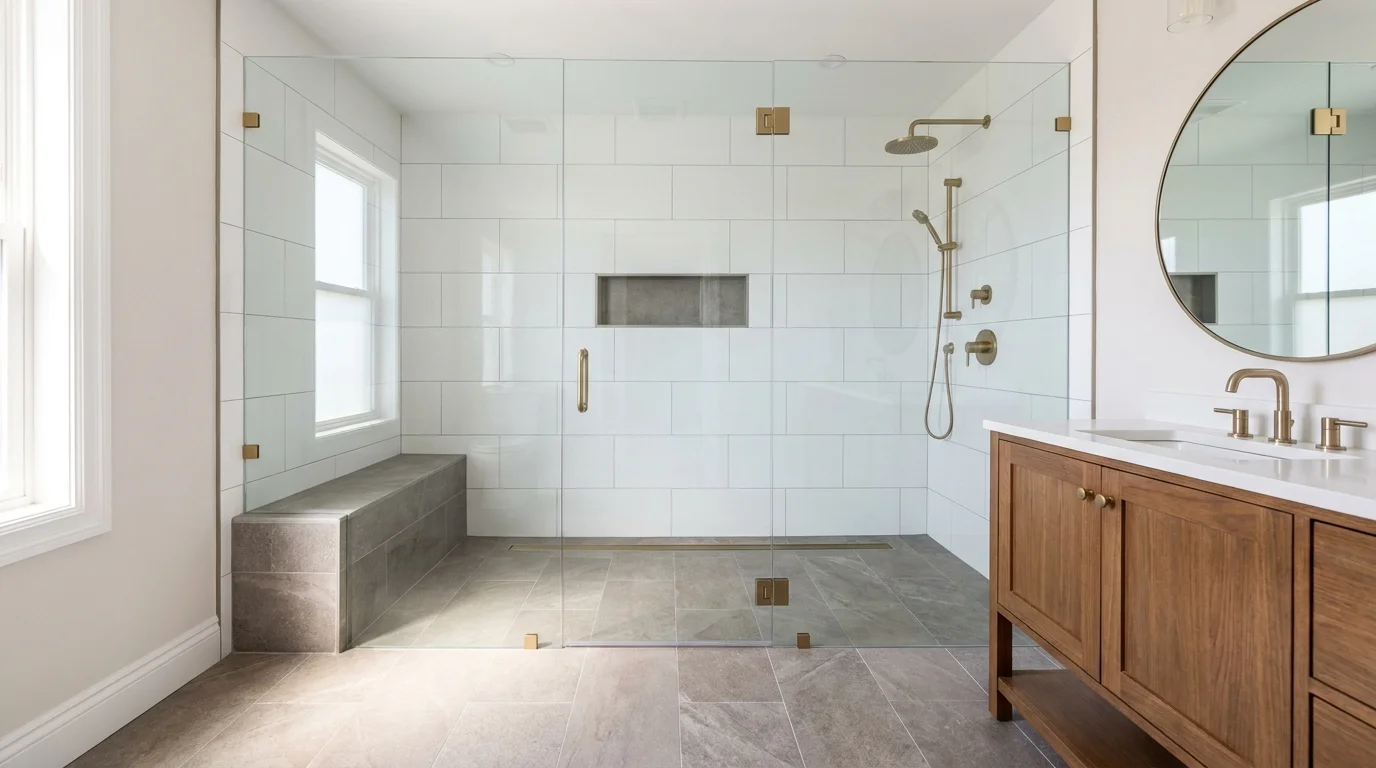
Deciding between a bathtub and a walk-in shower for your New Jersey home is a significant renovation choice, often influenced by lifestyle, accessibility needs, and future resale considerations. For homeowners in New Jersey, with contractor license #13VH13143000, preparing for home improvements in 2026, the ideal choice hinges on whether your primary need is relaxation and family bathing or enhanced accessibility and modern aesthetics. A bathtub is generally better for households with young children or as the sole tub in the home to preserve resale value, while a walk-in shower excels in providing a safe, spacious, and contemporary bathing experience for adults, especially in master bathrooms or for aging-in-place.
Should You Replace Your Bathtub with a Walk-In Shower in Your NJ Home?
The question of whether to replace your existing bathtub with a walk-in shower is a common one for New Jersey homeowners considering a bathroom remodel. This decision impacts not only your daily routine but also the overall functionality and potential resale value of your property, from Long Branch to Holmdel.
Understanding Your Current Bathroom Layout
Before any demolition begins, it's crucial to assess your existing bathroom's layout and structural capabilities. Converting a standard tub to a walk-in shower typically requires evaluating the current plumbing lines, drain locations, and the structural integrity of the subfloor to support new tile work and shower enclosures. Considerations like the position of the showerhead, valves, and bench seating all play a role in the final design.
Key Factors Driving Your Decision
Your lifestyle, family needs, and future plans for your home are central to this decision. Factors such as whether you have young children, elderly family members, or if you simply prefer quick showers over long soaks will heavily influence which option best serves your household. Aesthetics and personal design preferences also weigh heavily, as a walk-in shower can dramatically alter the perception of space.
The Initial Assessment: Tub-to-Shower Conversion Potential
A professional assessment by a qualified remodeler is invaluable to determine the feasibility and scope of a tub-to-shower conversion. This involves checking for potential issues like water pressure, ventilation, and ensuring adequate space for a comfortable shower enclosure. For complex bathroom remodels, including tub-to-shower conversions, IAC Home Improvement offers comprehensive services, ensuring every detail is expertly managed from design to installation.
Bathtub vs. Walk-In Shower: A Side-by-Side Comparison for New Jersey Homeowners
To make an informed decision for your home in areas like Red Bank or Asbury Park, it's helpful to compare bathtubs and walk-in showers across several key criteria. Each option offers distinct advantages and disadvantages that cater to different needs and preferences.
Daily Convenience and Lifestyle Fit
Walk-in showers offer unparalleled convenience for daily use, allowing for quick, efficient cleansing routines. They are particularly favored by busy individuals and those who prefer a streamlined start to their day. Bathtubs, on the other hand, provide a space for relaxation, offering a deep soak to unwind after a long day, which is a significant draw for many homeowners seeking a spa-like experience at home.
Safety, Accessibility, and Future-Proofing
When it comes to safety and accessibility, walk-in showers, especially those with curbless entry, are generally superior. They eliminate the high threshold of a bathtub, significantly reducing the risk of slips and falls, making them ideal for seniors or individuals with mobility challenges. Features like grab bars, built-in benches, and non-slip tile surfaces further enhance safety. Bathtubs present a higher barrier to entry, which can become a concern as residents age or if injuries occur.
Aesthetic Impact and Design Versatility
Walk-in showers often contribute to a more modern, open, and spacious bathroom aesthetic. With a vast array of tile options, from large-format porcelain to intricate mosaics, and sleek glass enclosures, they can be customized to fit any design vision. Bathtubs, particularly freestanding models, can serve as a luxurious focal point, evoking a traditional or transitional elegance. Both options offer significant design versatility, allowing homeowners to personalize their space.
Resale Value and Market Appeal in NJ
The impact on resale value is a critical consideration for many New Jersey homeowners. While traditionally having at least one bathtub in a home was considered essential for family buyers, modern trends show an increasing preference for spacious, accessible walk-in showers, particularly in master bathrooms. However, for homes in family-centric communities like Freehold or Manalapan, retaining at least one tub can still be a strong selling point for families with young children. A well-designed bathroom remodel, regardless of the choice, typically adds value.
For a detailed overview, here’s a comparison:
| Criterion | Bathtub | Walk-In Shower |
|---|---|---|
| Daily Use | Relaxing soaks, bathing children/pets | Quick, efficient showering |
| Safety & Accessibility | High step-over, potential slip hazard | Low/no threshold, grab bar friendly, ideal for aging-in-place | Aesthetics | Traditional, luxurious focal point (freestanding) | Modern, spacious, sleek design, custom tile work |
| Space Requirements | Typically 60"x30" minimum | More flexible, can feel larger visually |
| Resale Value | Important as the only tub in a family home | Highly sought after in master baths, enhances modern appeal |
Ready to explore your bathroom renovation options? (848) 358-7694 to speak with our experts, text us a photo of your current bathroom, or get a free estimate for your project in Monmouth County or beyond.
When Does Keeping a Bathtub Make More Sense for Your NJ Property?
Despite the growing popularity of walk-in showers, there are several compelling reasons why retaining a bathtub, or even installing a new one, is the better choice for certain New Jersey households. These scenarios often revolve around family needs, lifestyle, and strategic considerations for future home sales.
Homes with Young Children or Pets
For families with young children, a bathtub is often indispensable for practical and safe bathing. The contained space allows for easy supervision and playful bath times, which are difficult to replicate in a shower. Similarly, pet owners, particularly those with dogs, often find a tub to be the most convenient and mess-free option for washing their furry companions. In towns like Middletown or Marlboro, where family homes are prevalent, this factor is particularly relevant.
The Only Bathtub in the House
If your home has only one bathroom, or if the bathroom you're remodeling contains the only bathtub in the entire house, removing it can potentially deter a significant segment of potential buyers. Many real estate agents and industry experts advise against eliminating the sole tub, as it can negatively impact resale value, especially for families looking to purchase in areas like Colts Neck or Eatontown. Maintaining at least one tub ensures broader market appeal.
Relaxation and Spa-Like Experiences
For many homeowners, a bathtub is synonymous with relaxation and self-care. Deep soaking tubs, freestanding tubs, or even jetted tubs offer a luxurious, spa-like escape that a shower, regardless of its features, simply cannot replicate. If your primary goal for your bathroom is to create a sanctuary for unwinding and de-stressing, a bathtub is undoubtedly the superior choice.
When is a Tub-to-Shower Conversion the Right Call for Your NJ Home?
Conversely, there are many situations where converting a bathtub into a walk-in shower is not just a preference but a highly beneficial upgrade. These conversions address specific needs related to accessibility, space utilization, and modern design preferences, enhancing both functionality and aesthetic appeal.
Enhancing Accessibility and Safety
A tub-to-shower conversion is an excellent investment for homeowners prioritizing accessibility and safety. Curbless showers, also known as zero-entry showers, eliminate the need to step over a high threshold, making them ideal for individuals using wheelchairs, walkers, or those with limited mobility. Incorporating features like built-in bench seats, multiple grab bars, and non-slip textured tiles significantly reduces the risk of falls, promoting independent living for longer. These upgrades align with Universal Design principles, making your home more comfortable for everyone.
Maximizing Space and Modernizing Aesthetics
Visually, a walk-in shower can make a small bathroom feel significantly larger and more open. Replacing a bulky tub with a sleek, frameless glass enclosure allows light to flow freely, creating an illusion of expanded space. This modernization can dramatically update the entire bathroom's aesthetic, moving it from dated to contemporary. The clean lines and minimalist design inherent in many walk-in showers appeal to current design trends, contributing to a spa-like, luxurious feel.
Catering to Adult Lifestyles and Quick Routines
For adult households, particularly empty nesters or busy professionals, the need for a bathtub often diminishes. A walk-in shower perfectly caters to a lifestyle that values efficiency and convenience. Many homeowners find they rarely use their bathtub, making a conversion a practical decision to better suit their daily routines. This is especially true in master bathrooms, where a luxurious, spacious shower can become the primary bathing area.
Bathtub-to-Shower Conversion Cost and Timeline for NJ Projects
Understanding the financial investment and the time commitment involved is crucial when planning a tub-to-shower conversion in your New Jersey home. While individual project costs vary, IAC Home Improvement provides transparent pricing for bathroom remodels.
Understanding the Investment: Pricing for a Bathroom Remodel in NJ
The cost of converting a bathtub to a walk-in shower typically falls within the scope of a broader bathroom remodel, depending on the extent of changes. At IAC Home Improvement, our bathroom remodel projects in New Jersey typically range from $9,000 to $25,000. For a "Refresh" remodel, which might include new fixtures, paint, and a vanity, costs are about $9,000-$14,000. A "Full Remodel," involving gutting to the studs, often ranges from $14,000-$19,000. A "Luxury Master Bath" remodel, incorporating high-end materials and extensive customization, typically costs $19,000-$25,000. A tub-to-shower conversion, especially one involving plumbing relocation or custom tile work, will usually fall into the Full Remodel or Luxury Master Bath tiers. IAC provides one clear project total after a free on-site measurement, ensuring you understand your investment upfront.
Project Timeline and Disruption
A typical tub-to-shower conversion, as part of a bathroom remodel, can take anywhere from one to three weeks, depending on the complexity and the materials chosen. This timeline includes several phases:
- Demolition: Removing the old tub, surround, and potentially flooring or wall sections. This usually takes 1-2 days.
- Rough-in Plumbing and Electrical: Adjusting water lines, drain, and potentially adding new electrical for lighting or exhaust fans. This can take 2-3 days.
- Waterproofing and Substrate Installation: Preparing the shower pan and walls with appropriate waterproofing membranes and backer boards. This is critical for longevity and typically takes 2-4 days, including dry times for materials.
- Tile Installation: Laying the chosen tiles for the shower floor and walls. This is labor-intensive and can take 3-7 days, depending on tile size and pattern.
- Grouting and Sealing: Applying grout and then sealing the tile. Grout typically requires 24-72 hours to cure before sealing.
- Fixture and Glass Enclosure Installation: Installing the showerhead, valves, and the custom glass door or panel. This usually takes 1-2 days.
While this work is underway, access to the bathroom will be limited. Our team strives to minimize disruption and maintain a clean work environment throughout the process.
What Influences the Final Cost?
Several factors can influence the final cost of your tub-to-shower conversion. Material choices play a significant role; high-end porcelain or natural stone tiles, custom glass enclosures, and premium shower fixtures will increase the overall price. The extent of plumbing modifications, such as relocating the shower valve or drain, can also add to labor costs. Additionally, any structural changes, such as reinforcing the floor for a heavy tile shower or addressing unforeseen issues like mold, will impact the budget. IAC Home Improvement takes all these variables into account during your initial consultation to provide an accurate estimate.
IAC Home Improvement's Recommendation for NJ Homeowners
As a leading full-service home improvement company in Long Branch, New Jersey, IAC Home Improvement has guided countless homeowners through the bathtub vs. walk-in shower decision. Our recommendations are always tailored to your specific needs and the unique characteristics of your home.
Our Expert Stance on Bathroom Remodeling
For many New Jersey homeowners, especially those in master bathrooms or guest baths, we often recommend a walk-in shower conversion. The benefits in terms of safety, modern aesthetics, and ease of cleaning are compelling. However, if your home has only one bathroom, or if you have young children, we strongly advise against removing the sole bathtub. Our approach is always to provide a personalized consultation, discussing your lifestyle, budget, and long-term goals to arrive at the best solution for your bathroom remodeling project. We pride ourselves on creating functional, beautiful spaces that enhance daily living.
The Benefits of a Full-Service Approach
Choosing IAC Home Improvement means partnering with a company that handles every aspect of your renovation. We are a full-service home improvement company, specializing in not just bathroom remodels, but also flooring, kitchen remodeling, painting, carpentry, basements, decks, masonry, concrete, and pavers. This means you have one trusted contractor for your entire home, ensuring seamless coordination and consistent quality across all trades. Whether you're in Asbury Park, Long Branch, or anywhere in between, our team of experts manages your project from start to finish. Learn more about our local expertise at bathroom remodeling Long Branch NJ.
Why Trust IAC Home Improvement?
With an NJ License #13VH13143000 and PA License #PA188007, and a stellar 5.0 rating on Google from over 100 reviews, IAC Home Improvement has been providing exceptional service since 2015. Our commitment to quality craftsmanship, clear communication, and customer satisfaction sets us apart. We use industry-standard practices and high-quality materials to ensure your bathroom renovation is not only beautiful but also durable and compliant with all building codes. When you choose us, you're choosing a partner dedicated to bringing your vision to life with professionalism and expertise.
Frequently Asked Questions About Bathtub vs. Walk-In Shower Conversions
How much does it cost to convert a tub to a walk-in shower in New Jersey?
The cost for a tub-to-shower conversion in New Jersey typically ranges from $14,000 to $25,000, falling under a "Full Remodel" or "Luxury Master Bath" scope. This includes demolition, plumbing modifications, new tiling, waterproofing, and fixture installation. The final price depends on material choices, the complexity of plumbing changes, and any structural work required. IAC Home Improvement provides a comprehensive project total after a free on-site consultation.
Will removing my only bathtub hurt my home's resale value in NJ?
Generally, removing the only bathtub in a home can negatively impact its resale value, especially for family-oriented buyers in New Jersey. Many families prefer at least one tub for bathing children or pets. However, in master bathrooms or homes with multiple bathrooms, a well-designed walk-in shower can significantly increase appeal and value, particularly for an aging population or those seeking modern luxury and accessibility.
How long does a typical tub-to-shower conversion take?
A typical tub-to-shower conversion project usually takes about 1 to 3 weeks to complete. This timeline includes phases such as demolition, plumbing rough-in, waterproofing, tile installation, grouting (which requires 24-72 hours for curing), and the final installation of fixtures and glass enclosures. The exact duration can vary based on the project's complexity, material availability, and specific design choices.
What are the key safety features to consider for a walk-in shower?
Key safety features for a walk-in shower include a curbless or low-threshold entry to prevent tripping hazards, non-slip flooring materials (like matte finish porcelain tiles), and the installation of sturdy grab bars. Built-in or fold-down bench seats offer additional support and comfort. Proper lighting and adequate ventilation also contribute to a safer, more comfortable showering experience, especially for individuals with mobility challenges.
Authoritative resource: This Old House.