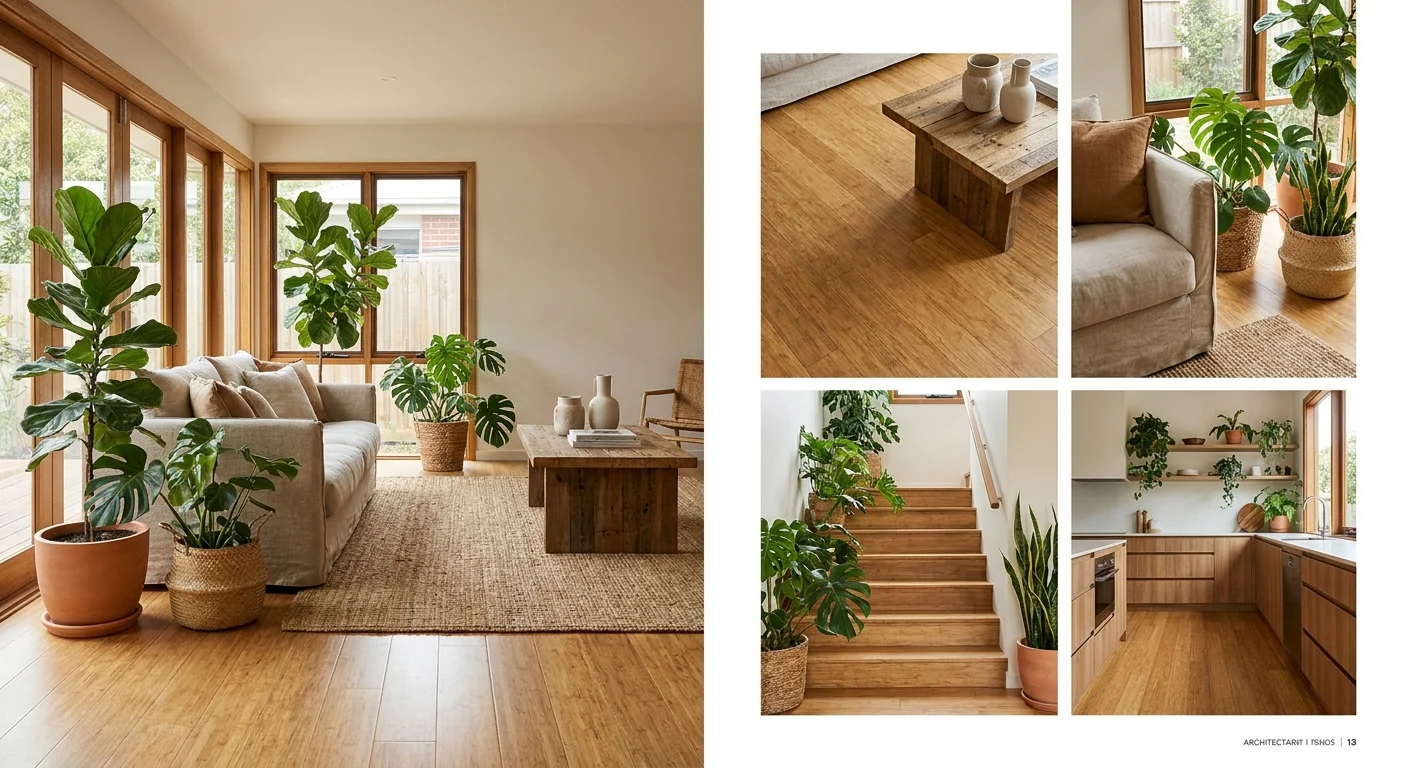
Choosing green or eco-friendly flooring means selecting materials and installation methods that minimize environmental impact throughout their lifecycle, from sourcing to disposal, while also promoting healthier indoor air quality. These sustainable options benefit both the planet and your family's well-being by reducing exposure to harmful chemicals and conserving natural resources. For homeowners in New Jersey, New York, and Pennsylvania, investing in eco-conscious flooring is a smart decision that combines aesthetic appeal with a commitment to sustainability.
Understanding Green Flooring: Beyond the Basics
As homeowners become more aware of their environmental footprint and the impact of building materials on indoor air quality, the demand for truly green flooring solutions has grown significantly. It's more than just a trend; it's a conscious choice for a healthier home and planet.
What Makes a Flooring Material "Green"?
A flooring material earns its "green" designation by meeting several criteria across its entire lifecycle. This includes being made from rapidly renewable or recycled resources, having a low carbon footprint in manufacturing and transport, and being free from harmful chemicals that can off-gas into your home. For example, materials sourced from sustainably managed forests, like those certified by the Forest Stewardship Council (FSC), ensure that timber harvesting practices don't contribute to deforestation or ecosystem damage. Furthermore, the durability and potential for repair or refinishing also play a crucial role, as a longer-lasting floor reduces waste.
The Environmental and Health Benefits for Your Home
Opting for green flooring delivers significant advantages. Environmentally, it supports sustainable forestry, reduces landfill waste, and often requires less energy to produce compared to conventional options. For your home in Monmouth County or anywhere along the Jersey Shore, the health benefits are perhaps even more immediate. Many eco-friendly floors are manufactured with low or no Volatile Organic Compounds (VOCs), which means fewer toxins are released into your indoor air. This significantly improves indoor air quality, reducing risks of respiratory issues, allergies, and chemical sensitivities for your family, especially important in tightly sealed modern homes.
Debunking Common Myths About Eco-Friendly Options
While green flooring has undeniable benefits, several misconceptions often deter homeowners. One common myth is that eco-friendly options are always significantly more expensive. While some specialized materials might carry a premium, many sustainable choices, like certain types of bamboo or recycled content flooring, are competitively priced. For instance, luxury vinyl plank from IAC runs about $8 per square foot installed, with the plank, installation and shoe molding included (projects start at $1,300), and many recycled-content or low-VOC alternatives are priced close to conventional options in the mid-tier range. Another myth is that green flooring sacrifices durability. This is simply not true; materials like strand-woven bamboo, with a Janka hardness rating often exceeding 3,000, are incredibly robust, surpassing many traditional hardwoods. Modern manufacturing techniques ensure that sustainable floors are designed to withstand the rigors of daily life in busy households across New Jersey and Pennsylvania.
Top Eco-Friendly Flooring Materials for NJ/NY/PA Homes
Homeowners in Long Branch, Red Bank, and throughout the tri-state area have access to a diverse range of eco-friendly flooring materials that don't compromise on style or performance. Each offers unique benefits suited to different aesthetic preferences and functional needs.
Sustainable Hardwood and Reclaimed Wood
Hardwood flooring remains a timeless choice, and its sustainability can be greatly enhanced by choosing responsibly sourced products. Look for hardwoods certified by the Forest Stewardship Council (FSC), which guarantees that the wood comes from forests managed in an environmentally and socially responsible manner. Species like oak, maple, and cherry, when FSC-certified, offer classic beauty with a clean conscience. Even more sustainable is reclaimed wood, salvaged from old barns, factories, or warehouses. This material not only prevents waste but also boasts unique character, rich history, and exceptional stability, as it has already acclimated to various environments over decades. Installing reclaimed wood in a Holmdel or Colts Neck home adds unparalleled charm and a story to your floors. IAC Home Improvement specializes in expert hardwood installation, ensuring your sustainable choice is perfectly laid.
Rapidly Renewable Resources: Bamboo and Cork
Bamboo and cork are celebrated for their rapid renewability, making them excellent eco-friendly choices. Bamboo is technically a grass, not a tree, and can be harvested every 3-5 years without replanting, unlike hardwoods which take decades. Strand-woven bamboo, a popular choice, can have a Janka hardness rating between 1,300 and 1,500, making it harder than many oak varieties and highly resistant to dents, ideal for active homes in Freehold. Cork, harvested from the bark of the cork oak tree, regrows every 9-12 years without harming the tree itself. It offers exceptional sound absorption, natural insulation (providing an R-value of approximately 3.6 per inch), and a soft, comfortable feel underfoot, perfect for kitchens or bedrooms. Both materials are naturally resistant to mold and mildew, contributing to a healthier indoor environment.
Innovative Recycled and Upcycled Options
Beyond natural materials, advancements in manufacturing have brought forth incredible recycled and upcycled flooring choices. These options divert waste from landfills and transform it into durable, attractive flooring:
- Recycled Content Carpet Tiles: Many manufacturers now produce carpet tiles with a significant percentage of post-consumer recycled content, often from old fishing nets or plastic bottles. These modular tiles are also great for reducing waste during installation and for easy replacement of damaged sections.
- Recycled Rubber Flooring: Made from discarded tires, recycled rubber flooring is extremely durable, slip-resistant, and provides excellent shock absorption, making it suitable for home gyms, basements, or utility rooms.
- Recycled Glass Tiles: For kitchens and bathrooms in Asbury Park, recycled glass tiles offer a stunning, unique aesthetic. They come in a vast array of colors and finishes, allowing for creative designs while utilizing a high percentage of post-consumer glass. With IAC, tile floors start at about $13 per square foot installed with standard porcelain or ceramic tile included (projects start at $1,500), while specialty tile like recycled glass is quoted per project.
- Luxury Vinyl Plank (LVP) with Recycled Content: While not all LVP is eco-friendly, many brands now offer options with recycled PVC content and low-VOC formulations, combining the look of wood or stone with water resistance and durability. IAC Home Improvement also offers a wide range of vinyl flooring options, including those with eco-conscious features.
The Importance of Low-VOC and Non-Toxic Flooring
When selecting green flooring, it's not just about the material itself, but also the components used to install and finish it. The presence of Volatile Organic Compounds (VOCs) can significantly impact indoor air quality, even in otherwise sustainable materials.
Volatile Organic Compounds (VOCs) and Indoor Air Quality
VOCs are carbon-containing chemicals that off-gas as gases from certain solids or liquids at room temperature. Common sources in flooring include adhesives, finishes, and even some manufactured wood products. Exposure to high levels of VOCs can lead to "sick building syndrome" symptoms such as headaches, dizziness, nausea, and respiratory irritation. For residents of New York City or suburban areas like Monmouth County, where homes are often tightly sealed, minimizing VOCs is critical for maintaining healthy indoor air. Low-VOC products are formulated to release significantly fewer harmful chemicals, often meeting stringent indoor air quality standards.
Adhesives, Finishes, and Underlayments: Choosing the Right Companions
Even if you choose a natural, low-VOC flooring material, the glues, sealants, and underlayments used during installation can negate its benefits if they contain high levels of VOCs. Always specify low-VOC or zero-VOC adhesives and finishes. Brands like DuraSeal offer water-based finishes with significantly reduced VOC content that perform excellently while being safer for your home and our installation teams. Similarly, select underlayments made from recycled content or natural fibers (like cork or felt) that are free from harmful chemicals. Our experts at IAC Home Improvement are well-versed in selecting and applying these healthier alternatives for your project.
Certifications and Labels to Look For
Navigating the world of green products can be complex, but several trusted certifications simplify the process by verifying a product's environmental and health claims:
- FloorScore: This certification tests and certifies hard surface flooring and flooring adhesives for compliance with stringent indoor air quality emissions requirements. Products with FloorScore certification have low VOC emissions, ensuring better air quality.
- GreenGuard Gold: A more rigorous standard than basic GreenGuard, this certification ensures products meet strict chemical emissions limits, making them suitable for sensitive environments like schools and healthcare facilities, and ideal for any home.
- Cradle to Cradle Certified: This holistic certification assesses products across five categories: material health, material reutilization, renewable energy and carbon management, water stewardship, and social fairness. It signifies a product's commitment to circular economy principles.
- Forest Stewardship Council (FSC): For wood products, FSC certification ensures that the wood comes from responsibly managed forests.
Installation, Maintenance, and Longevity of Green Floors
The sustainability of your green flooring extends beyond its material composition to how it's installed, maintained, and eventually disposed of. Proper care ensures maximum longevity and continued environmental benefit.
Professional Installation for Optimal Sustainability
Even the greenest flooring material requires expert installation to perform as intended and maximize its lifespan. Professional installers, like the team at IAC Home Improvement, understand the nuances of working with sustainable materials, including proper subfloor preparation, moisture mitigation, and efficient cutting techniques to minimize waste. For example, ensuring the subfloor is perfectly level and dry is critical for the longevity of cork or bamboo, preventing issues like buckling or cupping. Our local presence in NJ, NY, and PA means we are familiar with regional climate considerations that can impact flooring, ensuring your installation is robust and durable. We also focus on responsible disposal of any old flooring materials, often finding recycling avenues rather than sending everything to a landfill.
Eco-Conscious Cleaning and Maintenance Practices
To preserve the integrity and extend the life of your green flooring, adopt eco-friendly cleaning routines. Avoid harsh chemical cleaners, which can degrade finishes, release VOCs, and harm the environment. Instead, opt for pH-neutral, biodegradable cleaners or simply use warm water and a microfiber mop. For specific materials:
- Hardwood: Use a damp (not wet) mop and hardwood-specific cleaners. Refinishing hardwood in NJ typically runs $2 to $4 per square foot, all-inclusive (projects start at $1,600), a cost-effective way to renew your floor every 10-15 years.
- Bamboo & Cork: Sweep or vacuum regularly, and clean spills immediately. Avoid excessive moisture.
- Recycled Rubber: A neutral cleaner and damp mop usually suffice.
The Lifecycle Value: Refinishing and End-of-Life Options
One of the most sustainable aspects of high-quality flooring is its potential for a long life and, in some cases, renewal. Solid hardwood floors, for instance, can be sanded and refinished multiple times, extending their life by decades. Each refinish, which typically runs $2 to $4 per square foot all-inclusive in New Jersey, breathes new life into the floor, preventing it from ending up in a landfill. When a floor eventually reaches the end of its useful life, consider its recyclability. Many manufacturers of recycled content carpet tiles or LVP are developing take-back programs, allowing materials to be reprocessed into new products. This circular approach minimizes waste and maximizes resource utilization, reflecting a true commitment to sustainability.
How Green Flooring Adds Value and Appeal to Your Home
Beyond the environmental and health benefits, choosing green flooring can significantly enhance the value and marketability of your home, making it a wise investment for homeowners in the competitive real estate markets of NJ, NY, and PA.
Enhancing Home Value and Marketability
In today's market, buyers are increasingly conscious of environmental impact and indoor air quality. A home featuring green flooring immediately stands out as modern, well-maintained, and thoughtfully upgraded. This can lead to a quicker sale and potentially a higher selling price. A recent study indicated that homes with sustainable features can command a premium of up to 5-10% in some markets. For a kitchen remodel in Monmouth County, which might range from $17,000 to $45,000, incorporating eco-friendly flooring like cork or recycled glass tiles enhances the overall appeal and perceived value of the entire project.
Long-Term Cost Savings and Energy Efficiency
While the initial investment for some green flooring options might be slightly higher, the long-term cost savings can be substantial. Durable materials like strand-woven bamboo or high-quality reclaimed wood are built to last, reducing the need for frequent repairs or replacements. Cork flooring, with its natural insulating properties, can help reduce heating and cooling costs, contributing to energy efficiency in your home. Moreover, the improved indoor air quality can lead to fewer health-related expenses over time. Investing in a quality green floor is an investment in your home's future and your family's well-being.
Aesthetics and Design Versatility
The notion that green flooring is limited in style or aesthetic appeal is outdated. Today's eco-friendly options offer an incredible range of colors, textures, and patterns to complement any design aesthetic, from rustic farmhouses in Colts Neck to modern lofts in Jersey City. Reclaimed wood provides unparalleled character, while bamboo offers sleek, contemporary lines. Cork brings warmth and unique patterns, and recycled glass tiles can create stunning, vibrant mosaics. Whether you're aiming for a minimalist look, a cozy traditional feel, or something entirely unique, there's a sustainable flooring option to match your vision, ensuring your home is both beautiful and responsible.
Partnering with IAC Home Improvement for Your Green Flooring Project
Embarking on a green flooring project requires expertise, a deep understanding of materials, and a commitment to quality. IAC Home Improvement is your trusted partner for sustainable home transformations across New Jersey, New York, and Pennsylvania.
Our Commitment to Sustainable Practices in NJ, NY, PA
At IAC Home Improvement, we are dedicated to offering high-quality, sustainable flooring solutions that meet your aesthetic desires and environmental goals. Our team is well-versed in the latest eco-friendly materials and installation techniques, ensuring your project is handled with precision and care. We understand the specific needs of homeowners in areas like Long Branch, Red Bank, and throughout the tri-state region, providing tailored advice and local expertise. With our NJ License #13VH13143000 and PA License #PA188007, you can trust in our fully licensed and insured services.
Navigating Your Options with Expert Guidance
Choosing the right green flooring can be overwhelming given the multitude of options. Our experts at IAC Home Improvement provide personalized consultations, helping you weigh the pros and cons of different materials like bamboo, cork, reclaimed wood, and low-VOC vinyl. We discuss factors such as durability, maintenance, aesthetic preferences, and budget to guide you towards the perfect sustainable choice for your home. Our goal is to empower you with the knowledge to make an informed decision that you'll be happy with for years to come.
Beyond Flooring: Your Full-Service Home Transformation
IAC Home Improvement is more than just a flooring company; we are a full-service home improvement and construction company dedicated to handling your entire project, big or small. Whether you're considering a complete kitchen remodel (typically $17,000-$45,000), a bathroom renovation ($9,000-$25,000), interior painting ($6-$11 per square foot, depending on prep and paint quality), or even exterior work like a new composite deck (a complete package with Trex Enhance decking, Fiberon Regency railings, framing and installation starts at about $16,000 for 200 sq ft, confirmed after a free on-site measurement), carpentry, masonry, or landscaping, we are your single trusted contractor. Our 5.0 rating with over 100 Google reviews speaks to our commitment to excellence and client satisfaction across all our services. Let us manage your whole home transformation, ensuring a cohesive and high-quality result.
Ready to explore green flooring options for your home? Contact IAC Home Improvement today for a consultation. Call us at (848) 358-7694 or email us at contact@iachomeimprovement.com. We look forward to helping you create a healthier, more beautiful, and sustainable living space.
Frequently Asked Questions About Eco-Friendly Flooring
Here are answers to common questions homeowners in NJ, NY, and PA often ask about green flooring options.
Is eco-friendly flooring more expensive than traditional options?
Not necessarily. While some premium eco-friendly materials may have a higher upfront cost, many sustainable options are competitively priced, especially when considering their long-term value. For instance, laminate installation labor starts at $4 per square foot with the laminate chosen separately (projects start at $1,300), and mid-grade bamboo is often priced competitively with conventional materials. The durability, extended lifespan, and health benefits of green flooring often result in lower total ownership costs over time, making them a wise investment.
How durable are green flooring materials like bamboo or cork?
Many green flooring materials are exceptionally durable. Strand-woven bamboo, for example, can have a Janka hardness rating of 3,000 or higher, making it harder than most traditional hardwoods and highly resistant to dents. Cork, while softer underfoot, is resilient and can spring back from impressions, making it suitable for many residential areas. Its natural elasticity also contributes to its longevity. The key to durability for any flooring, green or otherwise, lies in proper installation and consistent, eco-conscious maintenance.
Can I really improve my home's air quality with green flooring?
Absolutely. One of the most significant benefits of green flooring is its positive impact on indoor air quality. Many eco-friendly options are manufactured with low or zero Volatile Organic Compounds (VOCs) in both the material and accompanying adhesives and finishes. By reducing the release of these harmful chemicals, green flooring helps minimize off-gassing, leading to a healthier indoor environment. Look for certifications like FloorScore or GreenGuard Gold to ensure products meet stringent indoor air quality standards.
What certifications should I look for when choosing sustainable flooring?
When selecting sustainable flooring, look for trusted third-party certifications that verify environmental and health claims. Key certifications include Forest Stewardship Council (FSC) for responsibly sourced wood, FloorScore and GreenGuard Gold for low VOC emissions and improved indoor air quality, and Cradle to Cradle Certified for a holistic assessment of a product's sustainability across its lifecycle. These labels provide assurance that your chosen flooring meets rigorous environmental and health standards.
Authoritative resource: This Old House.